

What To Know About Eating Canned Sardines, Bones And All
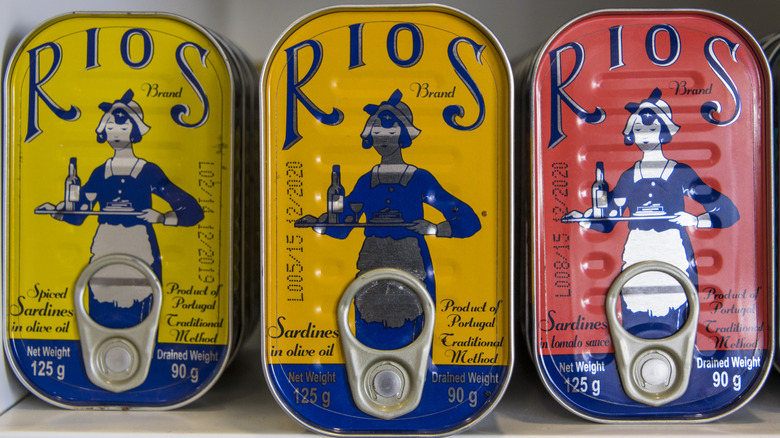
If you are a fan of fish but aren't snacking on canned sardines yet, this is your sign to hop on the trend. The affordable, nutrient-packed tinned fish serves as a savory ingredient that can be eaten on its own or added to any number of recipes. Known for having a rich, briny flavor and meaty, oily texture, you might pile some sardines onto a slice of crusty, buttered toast or incorporate them into a salad or pasta dish. There's a myriad of ways to enjoy canned sardines. And while some may be wary of the small bones found in them, they are not only edible, but also a great source of calcium and vitamin D.
It's unlikely that you would even notice the bones in canned sardines, as they are so small and soft due to the way they're prepared. Sardine bones are naturally tender but become even more so when they're pressure cooked at high temperatures before being packaged and made ready to eat. You might detect a subtle gritty texture when you bite into tinned sardines, but it shouldn't bother you. In fact, you may even discover you like the consistency. That said, if the idea of bones just gives you the ick, there are brands that sell boneless and skinless fillets. (Here are some canned fish brands to buy and avoid).
The history of canned sardines
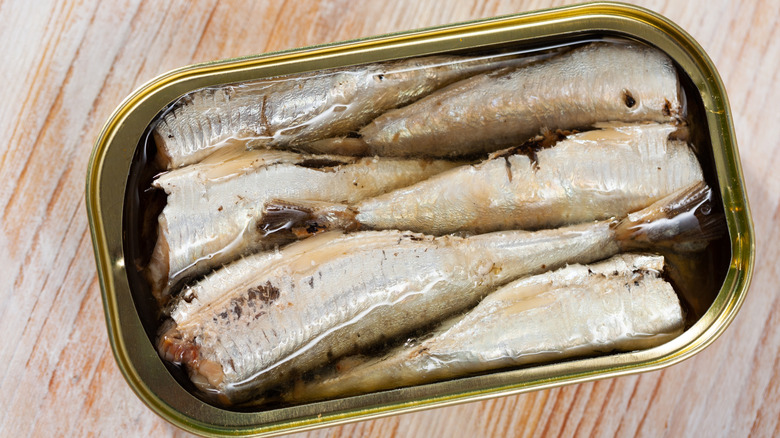
While sardines have been popular for centuries, the invention of canning in the early 19th century led to the commercial canning of sardines. An English merchant, Peter Durand, came up with the first preserving can in 1810. It's believed that France — specifically the town of Nantes — is where the canned sardine industry got its start in 1834. Prior to this, fishermen on the coast of France were known to fry sardines and preserve them in clay jars. Back then, the process of canning sardines only involved removing the heads, tails and insides. They're still packed by hand these days, but machines do the slicing.
Tinned sardines were imported to North America from France for years until canneries started launching on the East Coast. The first is said to have been the Eagle Preserved Fish Company in Eastport, Maine, which debuted in 1875. Founded by New York-based businessman Julius Wolff, the cannery got the tinned sardine ball rolling, and a number of others began opening up. They would go on to became a convenient source of sustenance for troops throughout both World Wars during the 20th century when fresh food wasn't available. This increased their popularity across the world and much like tuna, they've been considered a pantry staple by many ever since.