

What's The Average Lifespan Of A Kitchen Cabinet?
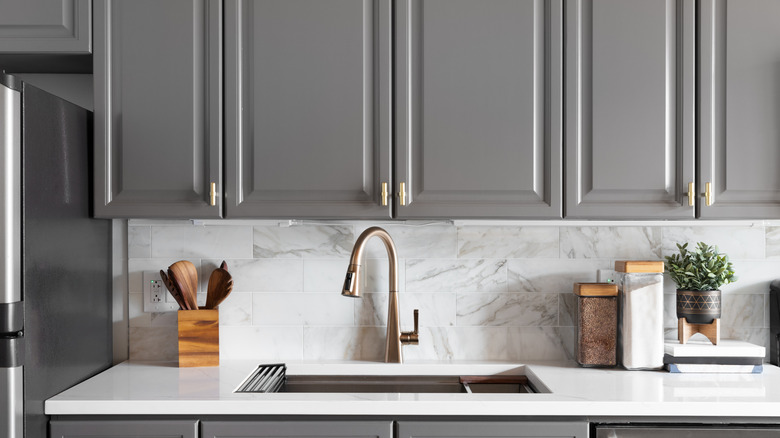
Picking the right kitchen cabinets can completely transform your space. To begin with, your cabinet choices can make a small kitchen feel bigger. The right cabinets can also make cooking far easier and more enjoyable. They also determine how much you can store, whether it's just a few essentials or nearly everything in your kitchen. That said, there's one important factor many homeowners tend to overlook when shopping for kitchen cabinets: Their average lifespan.
Simply put, most kitchen cabinets can last between 10 and 30 years. However, these numbers aren't set in stone. Kitchen cabinets' actual lifespan depends on factors such as the materials they're made from, their overall quality, and how well they're maintained. For instance, high-quality custom cabinets can even last up to 50 years. However, they also come with a higher price tag and can even cost as much as $1,200 per linear foot installed.
Cheaper, mass-produced cabinets, in turn, are a totally different story. Their lifespan is often limited to just 10 to 15 years. Water damage, loose hinges, and weak frames can, in fact, greatly reduce their lifespan. And that's exactly the tricky part. Although they're more affordable upfront, they could end up costing you more over time. That's why one piece of kitchen design advice you need to hear before you're left with regret is to always prioritize quality over price.
The material you choose matters more than you think
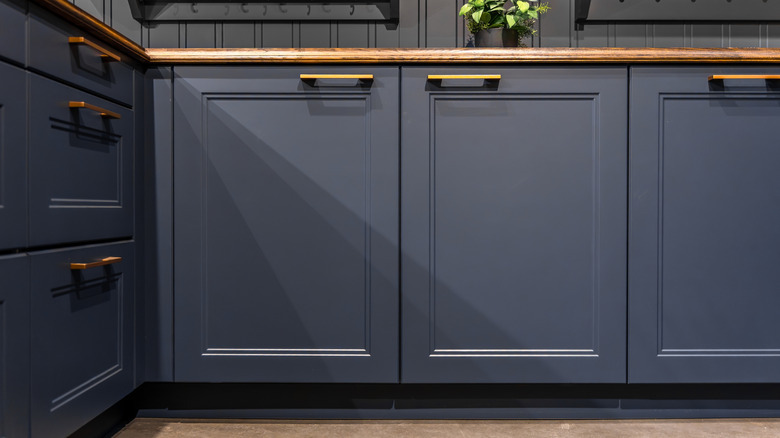
One thing you should always consider is the cabinet material. Solid wood, for example, is one of the most durable options you can find on the market. Made with natural hardwood such as oak, walnut, maple, or cherry, it is also aesthetically pleasing and can last for several decades with proper care. But it comes with two drawbacks: a price of up to $700 per linear foot and a tendency to expand in humid conditions. Another popular option is plywood. Strong, durable, and moisture-resistant, it is the perfect option for a busy kitchen.
Medium-density fiberboard (MDF), which is made by combining wood fibers with resin under heat and pressure, is a cheaper alternative. However, it's vulnerable to moisture and can swell. Wood veneer cabinets, in turn, are made from MDF or plywood topped with natural wood. While more affordable, moisture can cause them to peel or bubble. High-pressure laminate (HPL) cabinets are resistant to stains and scratches and require little upkeep. Still, once their edges are chipped, the damage is permanent.
Regardless of the material, regular cleaning and proper maintenance can keep your kitchen cabinets in good shape for years. Wipe your cabinet fronts once a week to remove grease and dirt. And don't forget to give them a deeper clean at least twice a year. If those stubborn, greasy stains still appear, degrease the kitchen cabinets with a common pantry staple such as dish soap.