

Are Your Groceries Being Priced By AI? How It Works And What It Means
AI is everywhere in the zeitgeist at the moment, and its appearance in the food space was inevitable. It's already in a growing number of kitchen appliances, and now may be part of the process that determines the price of your groceries.
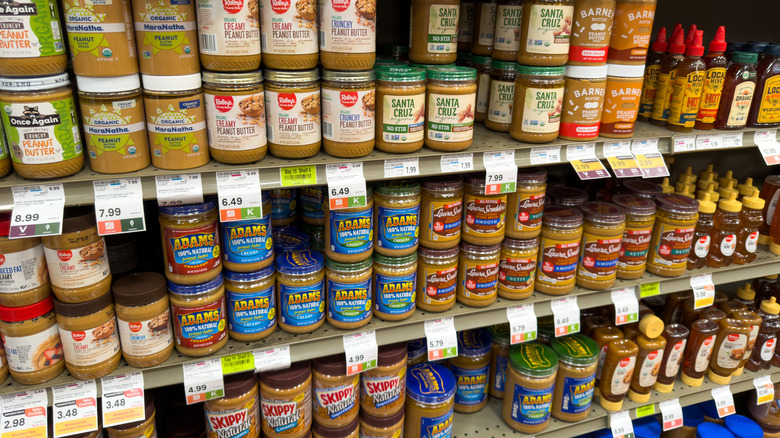
While in some cases, AI can help determine grocery prices, often the technology is only used as part of the digital shelf labels that display prices and allow stores to dynamically update them. According to Walmart, it uses such labels to display centrally determined prices, with a store associate reviewing and approving any changes. The AI isn't making pricing decisions or collecting shopper's data.
Behind the scenes, however, retailers and pricing software use AI to analyze sales patterns, competitors' prices, and other information that informs pricing. By predicting demand and how price changes might affect sales and profits, they're able to adjust item cost to reflect continually changing market dynamics. This sort of algorithmic pricing predates today's most modern AI tools, but advances continue to make them more sophisticated.
The specter of surveillance pricing
Some of AI's encroachments on the food world have verged on the dystopian, like Burger King's OpenAI-powered Patty bot that, among other things, monitored employees' "friendliness factor" when interacting with customers. It's not just wild AI-driven fast food fails that worry consumers, however. Revelations about online shopping have also driven concerns about so-called surveillance pricing.
An investigation by Consumer Reports into AI-enabled pricing experiments at Instacart found identical groceries offered at prices up to 23% higher to different shoppers. The investigation also found that roughly three quarters of items were offered at different prices to different people. The results raise concerns about companies like Instacart harvesting customer data and monitoring buying habits to alter prices, though, according to Instacart, shoppers were assigned different prices at random.
Legal challenges have also arisen to algorithmic pricing tools. According to reporting at PBS, an FTC lawsuit filed in 2023 targeted an Amazon tool called Project Nessie. The lawsuit alleges that Nessie was used to identify products that Amazon could inflate the price of, trusting that competing retailers were likely to similarly spike prices in response. The FTC claims that the practice resulted in more than $1 billion in profit.
As ever, the practical defense against algorithmic pricing is to stay informed. Comparison shop across brands, locations, and online storefronts, and verify the price at checkout against advertised prices. AI may be becoming harder to detect in retail strategy, but the best safeguards against overpaying remain the same.