

The World's Best 3 Gins In 2026 Aren't From The US, The UK, Or Europe
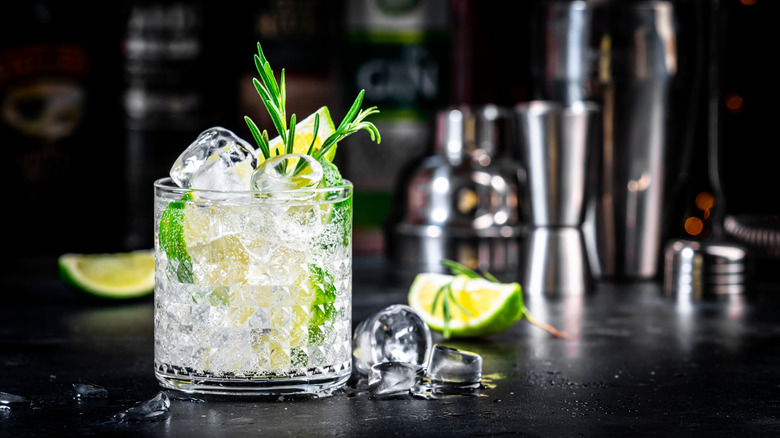
Gin is a botanically-infused spirit that's often associated with European and American cocktails, but the rise of the craft distillery movement has witnessed production of the beverage expand across the globe. The global gin industry has changed so much, in fact, that in 2026 the countries which have historically excelled at making the spirit aren't among the top-rated brands. Those honors go exclusively to gin distilleries in Asia; specifically Japan, Taiwan, and Laos.
The 2026 International Wine & Spirit Competition judged three gin categories: classic gin, contemporary gin, and flavored gin. This year's best classic gin is Ohoro from Niseko Distillery in Japan; the best contemporary gin is Lao Gin, produced by Lao Distilling Company; and the best flavored gin is Dried Smoked Longan Gin, produced by Nong Distillery in Taiwan.
To judge flavor, the classic gin category is judged by standards of a London dry gin, the most popular style. Ohoro is a classic gin with juniper-forward, citrus notes made with local Japanese botanicals: Japanese mint, sweet gale, juniper, coriander, angelica, licorice, chamomile, orris root, and five citrus fruits. It's a good choice If you're interested in making a dirty martini. Contemporary gin is unique for its experimental techniques and the use of non-traditional botanicals. The contemporary Lao Gin is rice-based with peels of mandarin and pomelo, lemongrass, ginger, pandan, and makrut lime. The complex floral flavors in this gin category would work well in a bold gin and tonic. As for the top flavored gin, Dried Smoked Longan Gin is also rice-based and is distilled with juniper and longan (a fruit that's similar to lychee). It's then infused with wood-fired, roasted longan to create its unique, smoky flavor profile with notes of cedar and honeyed berries.
A brief history of gin and its rise in Asia
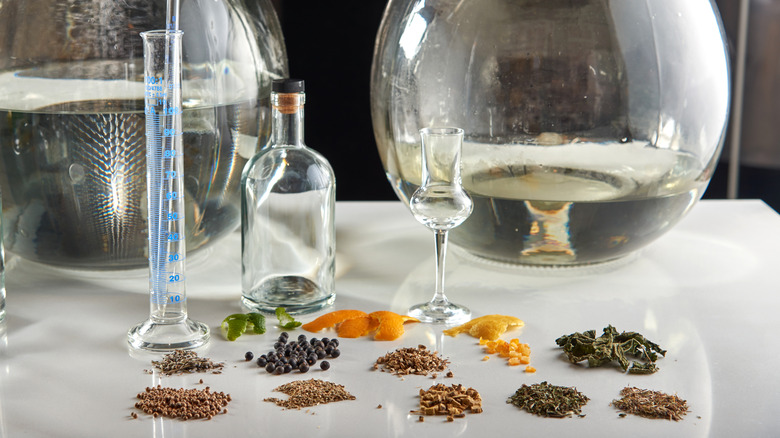
The development of gin is rooted in European history, especially Dutch history. The spirit can trace its roots back to a juniper-based medicinal drink produced in the 11th century. A few hundred years later, a beverage called jenever (the precursor to modern gin) was invented in the Netherlands. Gin as we know it today then became popular during the Gin Craze of 1700s England, when unlicensed distilleries began making the stuff en masse to supply a widespread desire for cheap spirits.
The fact that Asian producers have overtaken Europe as the best in the genre can be attributed to a shift in drinking sensibilities, the global dissemination of craft distilleries, and the production patterns of the second Gin Craze, which is said to have started in 2008. Gin producers in Asia have earned widespread acclaim in direct correspondence with the rising popularity of bar culture and craft cocktails.
In making Asian gin, distillers often use local botanicals to express regional heritage. These styles of gin are becoming popular in the West among people who are curious about alternative gin flavors. (Speaking to the desire for unique flavors, there's a style of British gin that's great for making a Negroni because of its floral-forward flavor and noticeable lack of citrus, which is much different than a classic London dry gin.) However you consider alcoholic beverages in 2026, the craft movement and desire for local flavors has had an interesting impact on the wine and spirits industry.