

10 '70s Food Trends That Need To Make A Comeback
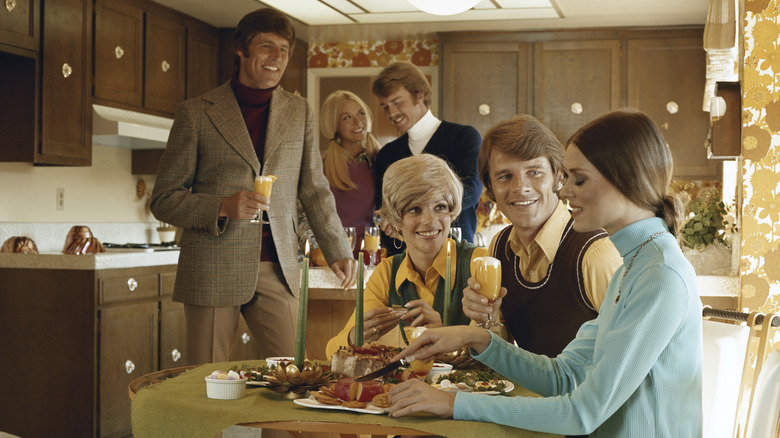
To say that the culinary world has changed dramatically over the past 50 years would be an understatement. From the ingredients we keep in our pantries to the dishes we serve at dinner parties, American food culture has evolved considerably since the 1970s. Many of those changes have been for the better, introducing us to new flavors, cooking techniques, and ingredients from around the world. Still, a few retro food trends deserve another chance, even if they've been out of fashion for decades.
We've rounded up 11 ingredients and recipes that were all the rage in the United States during the '70s, but have since fallen out of style. Some were dinner party staples, while others became popular because they were convenient, affordable, or simply fun to serve. The list also includes a few desserts that might raise an eyebrow today but still have plenty of nostalgic appeal. Keep reading for a trip down memory lane and a look at the vintage food trends we'd love to see return to American tables.
1. Fondue
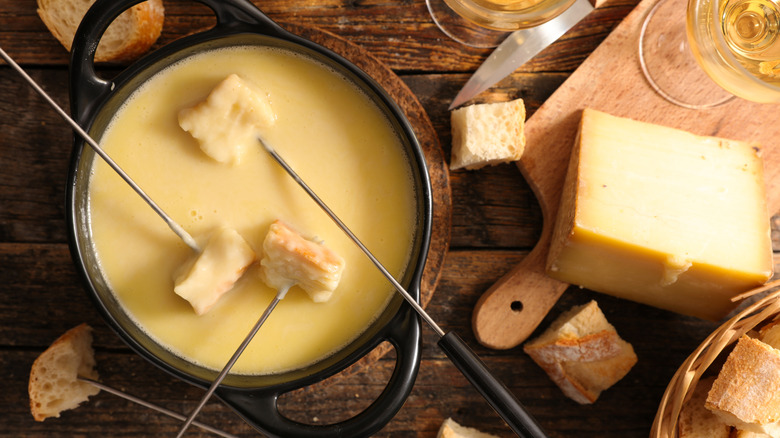
In the 1970s, fondue became a popular choice for entertaining, offering an eye-catching, decadent, and communal way to enjoy a meal or snack with friends. Fondue parties, where guests gathered around a pot of melted cheese flavored with wine and spices, became a trend in their own right. It's easy to see why the idea caught on: Everyone could dip, mingle, and enjoy the food at their own pace, making it a fun alternative to a traditional dinner party.
I am sad to say that I have never been to a fondue party, and neither has anyone I've known in the last several decades. But this dish is truly begging for a comeback — after all, who does not love gooey melted cheese sopped up with crusty bread? It might be more common these days to see chocolate fondue (one of several desserts that defined the 1960s) at a 21st-century party, but I am ready to see a classic cheese fondue reclaim its place at the table. If you're on board but don't know where to find one of those funky '70s fondue sets, no worries: You can make a cheese fondue just as easily in a slow cooker.
2. TV dinners
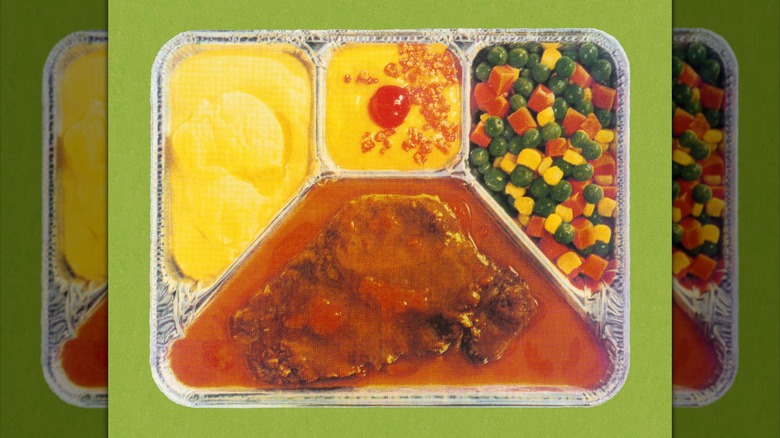
Although grocery shelves still offer plenty of frozen entrées, we no longer see the quintessential TV dinners popular in the 1970s. Throughout the decade, familiar brands such as Swanson and Banquet specialized in heat-and-eat meals, featuring a comforting main dish (usually smothered in gravy), partitioned compartments for starches and vegetables, and something sweet for dessert. The name dates back to the 1950s, when Swanson introduced its first frozen meal marketed as a convenient option for eating in front of the television.
Today, frozen meals by these same companies typically include an entree and sometimes a side — but the multi-course affair on a single tray has largely disappeared. I, for one, would happily finish off my dinner with a few warm spoonfuls of an apple-apricot crisp or a chocolate-nut brownie. I'd love to see the all-in-one tray make a comeback, especially for those of us who enjoy catching up on our favorite streaming shows with a meal in hand.
3. Sloppy Joes
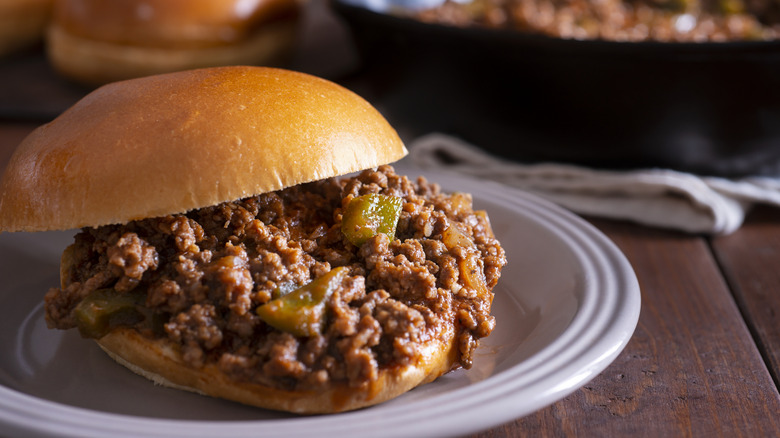
A sloppy Joe is a saucy ground beef sandwich served on a hamburger bun. Unlike a hamburger, the ground beef is served loose rather than in a formed patty, and combined with the sauce, it can be a little messy — hence the name. The popularity of sloppy Joes exploded in the 1970s thanks to companies such as Manwich and Libby's, which sold cans of tomato-based sauce with chopped onions and bell peppers for making the sandwich.
I grew up in the 2000s eating sloppy Joes, but I haven't seen many since. In fact, over the past decade, I have eaten at more than 300 casual dining restaurants, and I haven't found a single sloppy Joe on any of their menus. These nostalgic sandwiches, with their saucy, savory filling (which a pillowy bun absorbs beautifully), desperately need a comeback.
4. Black Forest cake
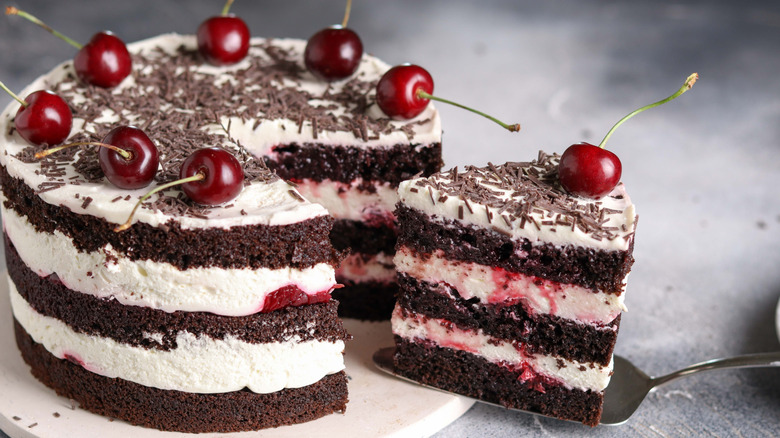
With a recipe consisting of layers of chocolate cake, whipped cream, and cherry filling, the real question is: why did Black Forest Cake ever leave this country's popular repertoire of desserts? The cake began appearing in German recipes in the early 20th century, but it became a smash hit in the 1970s, when variations began showing up in popular cookbooks as well.
Occasionally, you will see Black Forest Cake at a local bakery or, very rarely, sold in cake mix form, but it doesn't have the same national appeal it once did. This is especially shocking, given the timeless cherry-and-chocolate combination. This cake is a perfect marriage of flavors and textures: dense, chocolatey cake, fluffy cream, and syrupy cherries — plus, it doesn't hurt that, visually, all its layers make for an absolutely stunning slice.
5. Bacon-wrapped everything
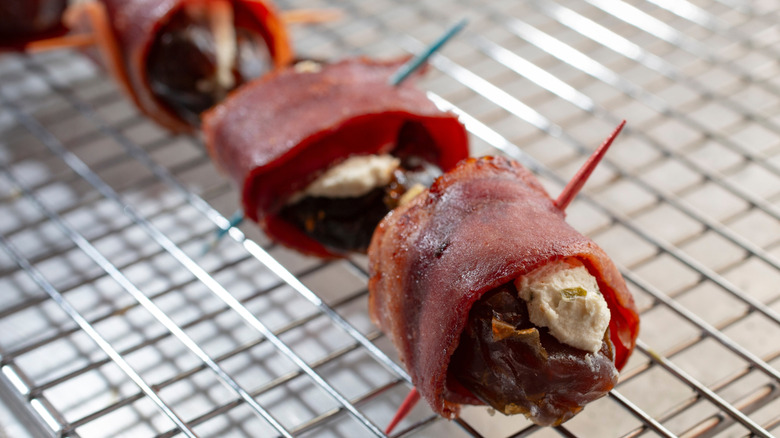
Bacon-wrapped appetizers were a staple of 1970s parties, with several variations making the rounds. Among the most popular were water chestnuts marinated in sugar and soy sauce, sometimes paired with chicken livers in a dish called rumaki. Other favorites included Devils on Horseback, made with dates stuffed with Stilton cheese, and Bacon Bowties, which featured crackers wrapped in bacon and baked until crisp.
Recipes for bacon-wrapped bites are a bit harder to come by these days, and it's a shame. After all, there are quite literally scientific reasons that bacon tastes good with everything, whether it be a sweet, jammy date or a salty party cracker. Even if these salty, savory-based appetizers are a harder sell today, bacon itself has never really gone out of style. After all, it's harder to find a generation of diners that doesn't appreciate a little extra bacon.
6. Pasta Primavera
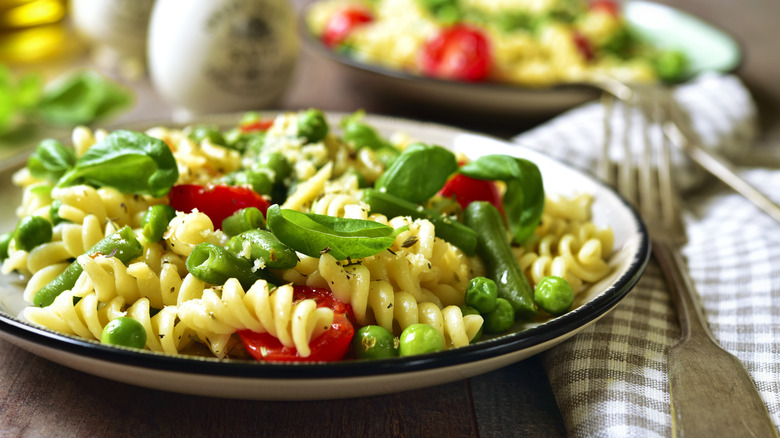
Pasta primavera was popularized in the 1970s by the New York City upscale restaurant Le Cirque. The dish, which translates from Italian to "spring pasta," features, fittingly, a buttery sauce of springtime vegetables such as broccoli, zucchini, asparagus, and peas.
This is one of those dishes 21st-century food enthusiasts remember fondly, but it doesn't necessarily show up on many restaurant menus or home dining tables today — and counting it out is a total mistake. Pasta primavera is the ultimate emblem of seasonal cooking, and it is a beautiful showcase of produce at its peak. Plus, this wouldn't be the first time a retro pasta dish returned to style: penne alla vodka, for instance, was a staple of the '80s, and now it is back with a vengeance. I believe that pasta primavera is long overdue for that same treatment.
7. Jell-O salads
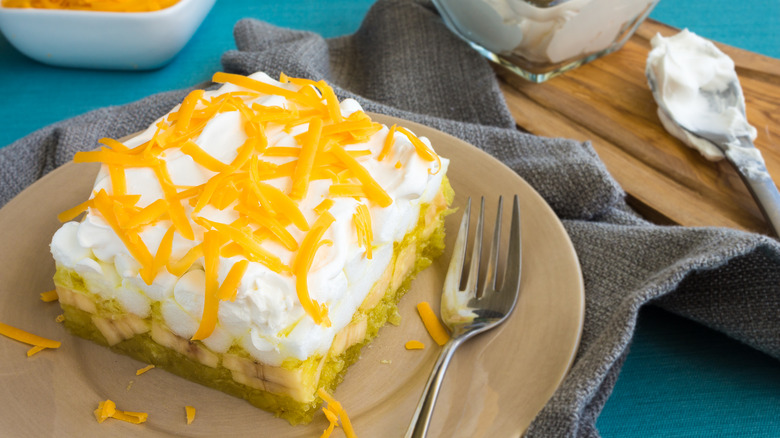
In the mid-20th century, it is fair to say the descriptor "salad" was used very liberally. In the 1960s, Jell-O released several savory gelatin flavors that led to strange but popular meals of meat and vegetables encased in Jell-O—but, thankfully, by the 1970s, home cooks were more focused on the sweet uses of Jell-O's instant gelatin and pudding mixes.
Some of the most scrumptious-sounding Jell-O salad varieties from the decade include the Creamy Peach Double-Decker, with one layer of peaches suspended in brandy-flavored Orange Jell-O and another of Cool Whip, the Sunset Salad with Lemon Jell-O and pecans, and, of course, the ever-popular 1970s Watergate Salad, typically boasting instant pistachio pudding, frozen whipped topping, mini marshmallows, crushed pineapple, nuts, maraschino cherries, and bananas. Today, plunking one of these on the dinner table might raise some eyebrows, but I would be happy to see any of these sweet "salads" come back. They are fun to look at, delicious to eat, and evocative of the whimsy dessert should embody.
8. Olive Loaf
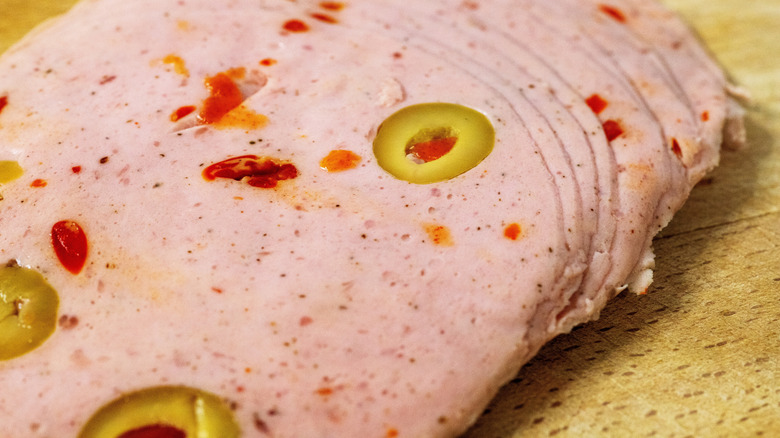
After World War II, deli meat became cemented in United States dining culture because of its affordability and convenience. Decades later, the iconic Oscar Mayer brand popularized olive loaf, which became a staple of lunchbox sandwiches in the '70s. Oscar Mayer's version of the cold cut (similar to Bologna and mortadella) was made with both chicken and pork, plus sliced olives and chopped pimento peppers.
Today, olive loaf is much harder to come by. Oscar Mayer no longer produces it, and while some other meat processors and delis continue to carry it, it is not exactly a popular pick anymore. But why not? Olives are a salty, juicy complement to meat and bread — in fact, Martha Stewart swears by olive tapenade sandwiches. Olive loaf simply cuts out the middleman and combines multiple sandwich ingredients into one. Plus, pimentos add a hint of sweetness that even further balances out the flavors in a sandwich. It's high time that we bring this forgotten deli meat back into the fold.
9. Pineapple Upside-Down cake
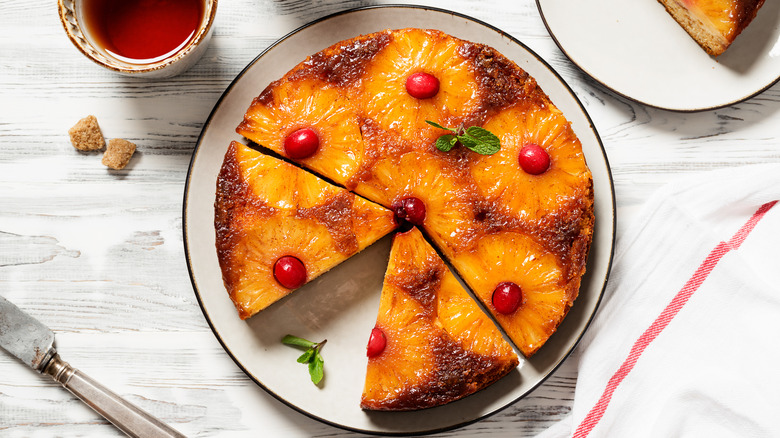
Pineapple upside-down cake was hugely popular in the 1970s. Making it is much easier than it looks: place pineapple rings (with maraschino cherries in the holes) in a layer of butter and sugar in a cake pan, then cover with cake batter. Once baked, flip the dessert over to reveal its signature glossy, caramelized fruit topping.
I grew up eating plenty of pineapple upside-down cake, and it is truthfully one of my favorite desserts. The sugary pineapple mixture gets toasty and caramelized during baking, and the fruit's natural juices from the fruit supply moisture and flavor to the cake beneath. Despite its undeniable deliciousness, this dessert is surprisingly hard to find at local bakeries. With its colorful presentation and decadent combination of caramelized fruit and tender cake, pineapple upside-down cake deserves a place at the end of meals again.
10. Cheese balls
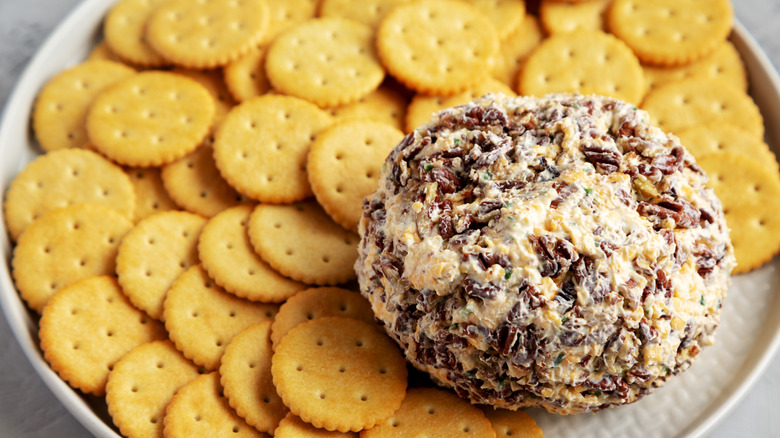
Another undeniable 1970s party staple was the cheese ball — a glorious ball of cream cheese with assorted ingredients folded in, from which guests could cut hunks to spread on crackers. Popular mix-ins included sharp cheddar, bleu cheese, bacon bits, chopped pecans, pimento-stuffed olives, and chives. They were also often heavily seasoned with cayenne pepper, lemon juice, Worcestershire sauce, Tabasco hot sauce, and oregano.
Although cheese balls are a delicious, low-effort way to feed a crowd, they are another of many vintage appetizers from the '70s that no one makes anymore. It is not exactly clear when or why these fell out of style, but it was surely a mistake. Think of this appetizer as another (and perhaps even more fun) way to eat a cream-cheese-based dip, and its lack of relevance today will mystify you, too. Of all of the dishes on this list, this one has the biggest comeback potential — it is inexpensive to make, requires familiar ingredients, is highly customizable, and stands out as a table centerpiece. With any luck, we'll start seeing more of them at 21st-century parties soon.