

One Overlooked Habit Can Wear Out Your Mixer's Gears Faster
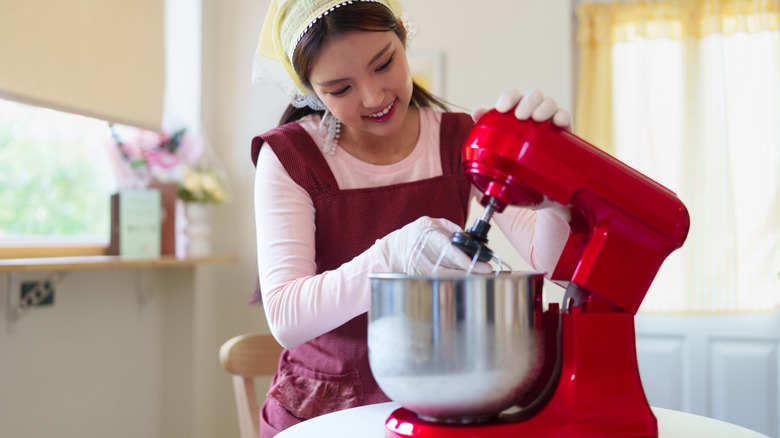
Stand mixers are usually built to last. A well-made one can handle years of heavy use without much complaining, and plenty of people inherit their grandparent's KitchenAid and keep right on using it. But there's one habit you might be guilty of that can shorten the lifespan of a stand mixer faster than almost anything else: overloading the bowl.
Pushing the machine past its capacity forces the motor to work harder than it was designed to. This can generate heat and cause gear slippage, meaning the teeth can't quite catch the way they should under a heavy load. Over time, that slippage grinds them down. It's a slow process, but still almost inevitable if you're overloading your mixer regularly. Bakers in online communities frequently point to stripped gears as the culprit when their mixers start struggling. Repair technicians who work on these appliances also point to overloading as a common cause of gear failure.
Fortunately, every mixer has a rated capacity in its manual, so you can check to see what yours is. Bread dough is often where people overload their mixers. It's dense and puts way more strain on the motor than something like basic whipped cream or cake batter. If you're making large batches of stiff dough weekly and pushing the bowl capacity to the rim, you could be doing some damage. Mixing in smaller batches might add a few minutes to your recipe, but it could add years to your machine's lifespan.
Proper maintenance and smart habits protect your stand mixer
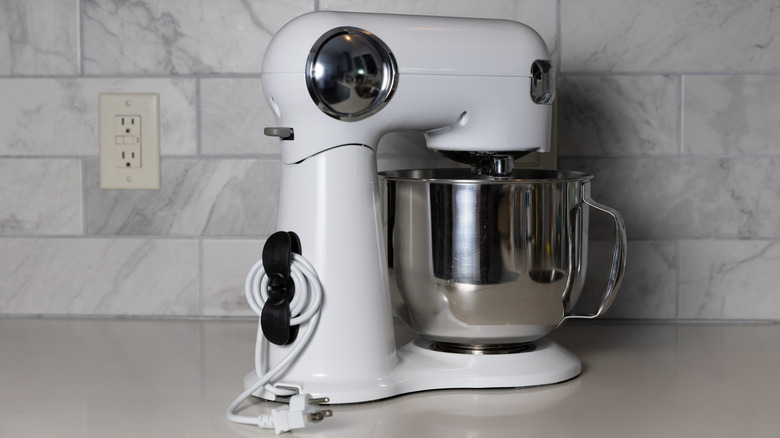
Beyond avoiding stripped gears, you might also want to see whether they need lubrication. Some stand mixers are sealed at the factory and never need it, but others might require fresh grease after a certain number of operating hours or years of use. Your manual will tell you which group you fall into. If relubrication is recommended and you skip it, the internal gears can eventually run dry, which leads to, you guessed it, gear grinding and stripping.
Flour is another major threat to your mixer. The dry powder doesn't mix well with machine grease. If it finds its way into the internal components, it can gum things up. It can also get into safety and power switches, where it could build up and cause malfunction. Wiping down the machine after each use, especially when you accidentally create that huge puff of a white flour cloud, can go a long way toward keeping flour where it belongs.
One more thing that's easy to overlook is frequently changing speeds while the mixer is still running. It feels like a small shortcut, but on mixers that require stopping before speed changes, it can lead to the gears grinding against each other in a way they weren't made to. Follow your mixer's manual to determine whether you should let the machine come to a full stop before switching speeds. This habit can make a big difference in how your mixer holds up, especially if you're using it regularly for things like homemade bread, where the motor is already working hard.