

The Hands-Down Best Method For Thawing Shrimp Efficiently And Safely
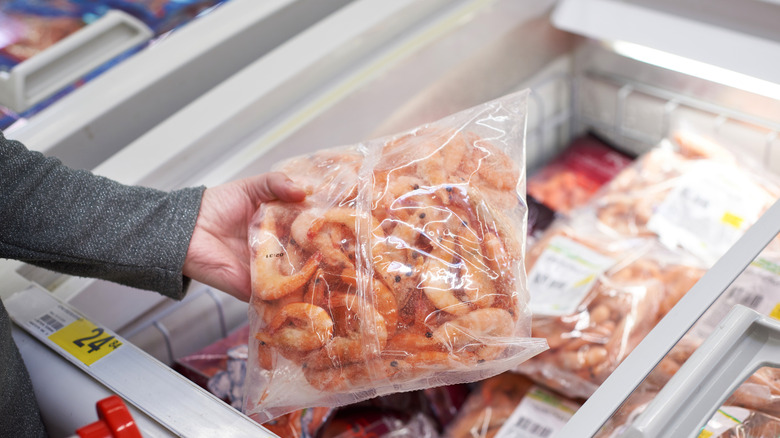
Most grocery stores offer both fully cooked and raw frozen shrimp. Cooked shrimp are perfect for tucking into sandwiches, salads, and cold pasta dishes, while the raw kind are great for stir-fries and shrimp scampi. But after finding the best frozen shrimp at the market the most important step is thawing them correctly.
Proper thawing isn't just the secret to cooking perfect air fryer shrimp every time. It's also an important food safety practice, since thawing raises the crustaceans' temperature just enough for microbes to proliferate. One of the easiest, fastest ways to thaw frozen shrimp is the cold water method. Depending on their size, it might only take about an hour or so (compared with fridge thawing, which could take several hours or overnight) and requires little more than ordinary kitchen items like a large bowl and a resealable plastic bag.
Place the amount of frozen shrimp you want to thaw in the plastic bag, seal it tightly, then put the bag in a large bowl and fill it with cold tap water until fully covered. Set the bowl in a cool area of your kitchen and check it after about 20 to 30 minutes. If the shrimp are still partially frozen, empty the bowl, refill it with fresh cold water, and repeat until they thaw completely. The shrimp will produce water as they defrost, so remove them to a plate and wick away excess moisture with paper towels. While this technique is fairly straightforward, there are a few things you'll want to keep in mind to avoid any potentially meal-ruining defrosting blunders.
Guidelines for thawing shrimp safely: the do's and don'ts
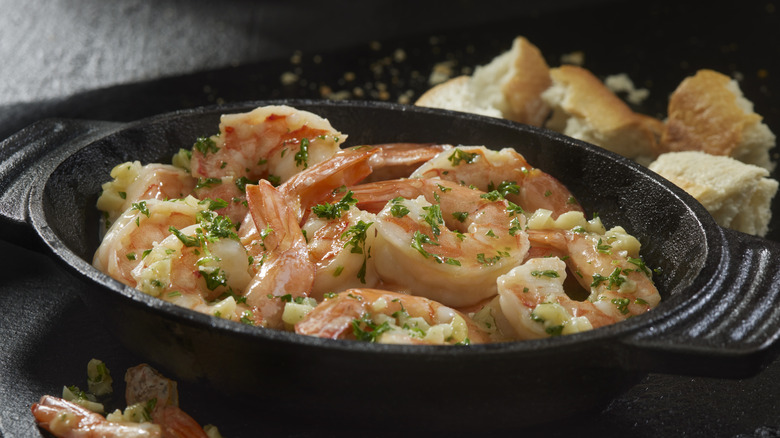
When defrosting frozen shrimp, the cold-water method is ideal because it helps speed up the process safely. It's a step you should never skip if you want the tastiest bite, since thawing them in the microwave or cooking them straight from frozen can create an unpleasantly rubbery, grainy texture. However, the method is only safe when the water stays cold, and the shrimp remain covered to prevent spoilage. Luckily, you can take a few precautions for the best results.
First, always use the coldest water possible and keep the shrimp submerged during thawing so they stay within a safe temperature range (below 70 degrees Fahrenheit). To prevent the bag from floating, squeeze out as much air as possible before sealing it tightly shut to eliminate air pockets. If it still floats, you can weigh it down with a heavy ceramic bowl or plate. Once submerged, check for any streaming air bubbles, since this can indicate an improper seal and could let microbes from the water or air contaminate the shrimp. If this happens, replace the bag immediately to avoid the shrimp becoming waterlogged, and double-check the seal.
Since shrimp thaw so quickly, check on them intermittently and change the water to keep it from getting too warm. If you're concerned you'll get distracted and forget, set a timer. Being prepared for any potential mishaps will help you get the best results, so you can take your shrimp from freezer to prep without risking food safety or deliciousness.