

How Do Vegetables Get Salmonella And What Can You Do To Protect Yourself?
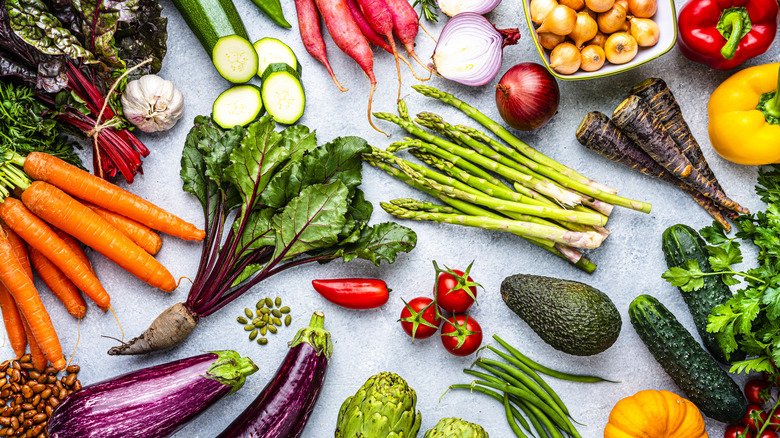
If you've never had salmonella, consider yourself lucky. If you have, perhaps after eating questionable paprikash mid-summer in, say, Budapest, the city natural wine lovers know to flock to, you know it's an experience you won't ever forget. Salmonella is a type of bacterium usually linked to raw meat, poultry, or eggs, but fewer people realize that even fresh veggies and fruit can sometimes harbor it.
Take, for example, the August 2026 salmonella outbreak linked to jalapeño peppers. Not only has it affected more than 300 people across 27 U.S. states at the time of writing, but it also prompted recalls of various food products containing the peppers, such as salsas, guacamole, and pico de gallo, according to the U.S. Food and Drug Administration. Salmonella is, as a matter of fact, among the most common types of food poisoning you can get. Unfortunately, it isn't very picky about which vegetables it contaminates. There are several ways this can happen, at times even before the harvest.
In some scenarios, the contamination begins with irrigation water. In other cases, a 2018 study found that, once present around a plant's roots, the pathogen can even enter through tiny lateral openings, especially in soils with elevated salt concentrations. After harvest, salmonella can also spread through contaminated wash water. It can also occur during transportation, and before it even reaches the store's shelves. Cross-contamination through unwashed hands, knives, cutting boards, and contact with animals is yet another possibility.
Protecting yourself from salmonella doesn't have to be difficult
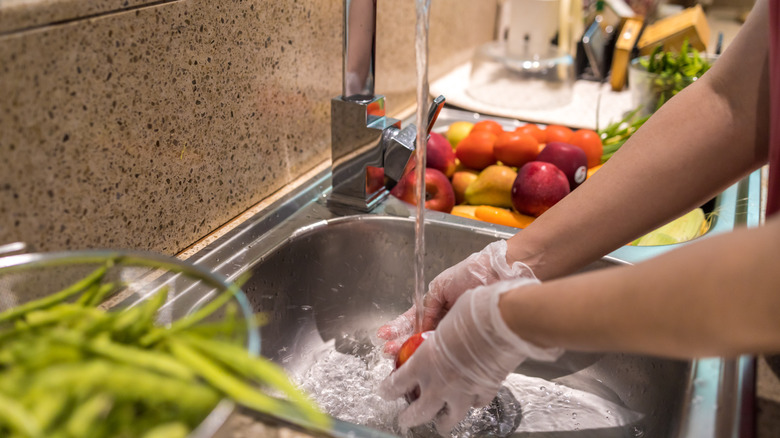
The good news is there are several simple things you can do to keep yourself safe from produce carrying salmonella. First, relying on the smell test is a huge mistake for food safety when it comes to this particular pathogen. Most of the time, contaminated vegetables smell, look, and taste perfectly healthy. If you grow your own vegetables, avoid harvesting any with clear animal damage. The same applies for produce that contains animal feces residues. At the same time, make sure birds and other animals don't get near your harvesting equipment.
In general, always practice good hygiene and proper handling. Bear in mind that protective gloves can go a long way. It's also crucial to regularly wash your hands, which means scrubbing them with soapy water for at least 20 seconds each time. Don't forget about your clothes, either. In addition, regularly cleaning and sanitizing the surfaces in your home is another must.
Finally, when it comes to handling veggies in the kitchen, if you suspect they could be contaminated, it's best to simply throw them away. Otherwise, remember that heat is your best friend; salmonella is destroyed at temperatures above 167 degrees Fahrenheit. Also, pay close attention to proper storage. Keep perishable vegetables well-sealed in a clean fridge at 40 degrees Fahrenheit or colder. If you're planning to eat them raw, make sure to keep them away from uncooked meat and anything it's touched.