

Not All Vodka Is Sugar-Free — What You Need To Know
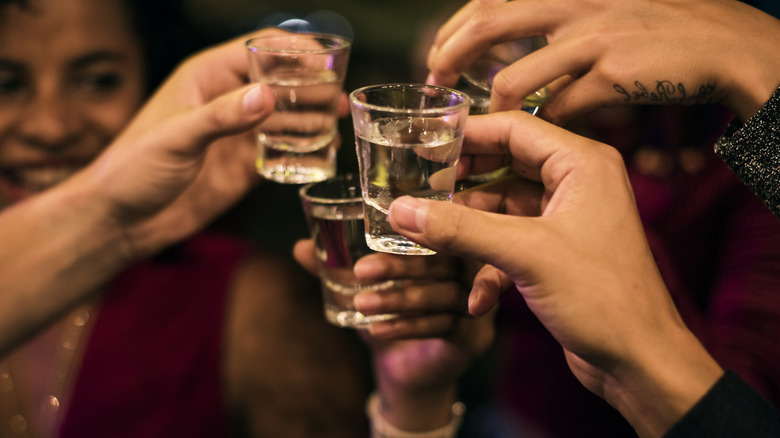
Vodka reflects purity with its clear appearance, and fans appreciate its crisp profile and smooth consistency. And while vodka may (or may not) come from potatoes or wheat, it does tend to be low in sugar since sugar doesn't pass through the distillation process. That said, not all vodkas are necessarily sugar-free, with the mixers in popular vodka cocktails increasing the sugar content even more. That matters if you're trying to cut down your sugar intake.
According to U.S. government standards, producers can add up to 2 grams per liter of sugar and still classify the spirit as a vodka. And drinks with less than 0.5 grams of sugar per serving can be labeled sugar-free. That's less than 0.1 gram in a 1.5-ounce shot, meaning vodka could contain the maximum allowable amount and still legally be labeled sugar-free. So even if the vodka's label says no sugar, it's possible that there are still traces of it. But for most people, an amount that small shouldn't be a problem. Flavored vodkas are where you can run into issues.
Some flavored vodka includes spices, like vanilla, whereas some rely on fruit extracts, like citrus and mango, and though their presence doesn't necessarily mean the vodka has added sugar, it's always a possibility. For example, Absolut's FAQ page says all its vodkas, including its flavored vodkas, contain zero added sugar, while Deep Eddy Ruby Red Grapefruit Vodka lists 3 grams per 1-ounce serving between grapefruit juice and added cane sugar. And 360 Vodka's Double Chocolate Vodka reportedly contains a whopping 10 grams of sugar. When in doubt, you can take a look at the nutrition information on label on the bottle (if it's listed) or go to the manufacturer's website.
How sugar is added to (and removed from) vodka
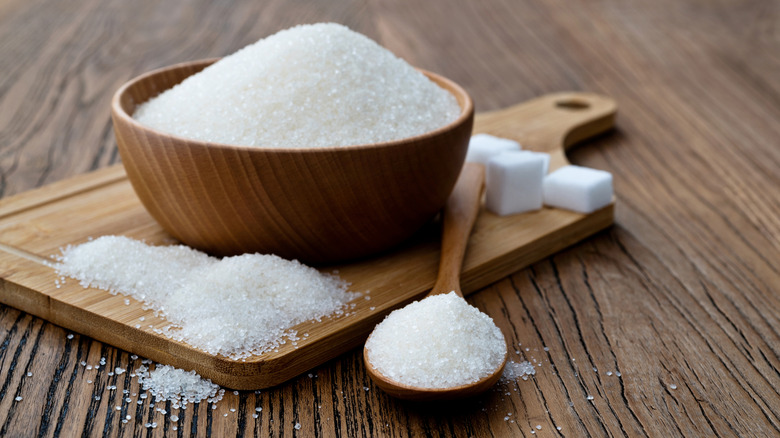
Creating a bottle of vodka typically involves four steps: fermentation, distillation, filtration, and dilution. To fully understand how sugar gets into (and out of) vodka, it might be helpful to know the full rundown. To prepare it for fermentation, the maker mixes the base ingredients (such as rye, wheat, corn, or potatoes) with water to create a mash. During this time, the starches from the grain or potato are broken down into simple sugars (not the same as added sugars), which yeast transforms into ethanol and carbon dioxide during fermentation. It undergoes heating during distillation, which separates the alcohol from remaining sugar and impurities.
Next comes the optional filtration process which helps ensure a more neutral flavor. The vodka is then diluted using purified water, reducing it to bottling strength. During the finishing process, some manufacturers might add sugar to round out the drink and fruit extracts, herbs, or spices for flavored vodkas. Some may also use sweeteners like glycerin, which sweeten while improving mouthfeel. Depending on the distiller's flavor goals for the vodka, glycerin can reduce or eliminate the need for added sugars because it can create a similar result.
Ultimately, though, vodka is a good choice if you're cutting back on sugar. Unflavored vodkas with sugar-free mixers are basically sugarless. But even flavored vodkas often contain a fraction of the sugar in a full-flavored soda. When in doubt, stick with brands that tout their sugar-free status. You can even make your own flavor-infused vodka so you have the ultimate control.