

Not Butter Or Oil: The Retro Ingredient That Your Grandma Used For The Best Baked Goods
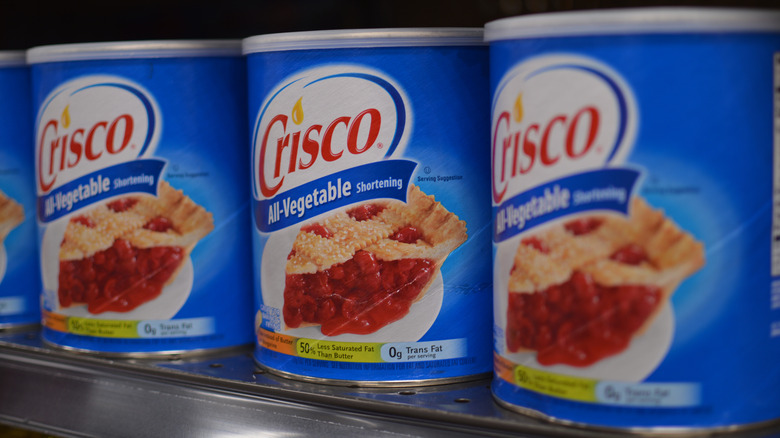
"It's all-vegetable, it's digestible!" That was the motto of Crisco, the game-changing baking ingredient created from industrial waste that millions of Americans have been turning to since Procter & Gamble introduced it in 1911. Originally made from hydrogenated cottonseed oil, Crisco was the first vegetable-based solid shortening — not to be confused with lard, a type of animal fat — to be introduced to the market.
As a cost-effective alternative to butter and oil that can be used in many dishes, it revolutionized the way Americans cooked. Bakers, too swear by it, stating that it gives a flakier crust and rich mouthfeel when making pies and makes cookies more fluffy and tender. It's also the the secret behind fluffy and delicious icing.
So, what makes Crisco different from its butter and oil counterparts? Modern Crisco is made of soybean oil, fully hydrogenated palm oil, and palm oil, making it 100% fat, while butter is generally 80% fat and 20% water, which can lead to different textures, specifically in baking. Crisco's high fat content and lack of flavor make it an excellent substitute for butter or oil in baking. Another positive is its long shelf life (up to two years unopened, in a cool, dry pantry), so no need to worry about that butter going bad.
Two use cases: using Crisco in sugar cookies and pies
When substituting Crisco in baking recipes, the simple conversion ratio is one cup of Crisco for every one cup of butter (ie a 1:1 ratio). Let's consider this swap in a standard sugar cookie recipe, which will likely include Crisco, all-purpose flour, sugar, eggs, milk, vanilla, baking powder, and salt). Using Crisco removes the extra water content from the butter, so no steam is created during the baking process, controlling the spread of the dough. The higher melting point, too, takes effect here, giving more time for the all of the ingredients to set, helping the cookie keep it's shape as opposed to flattening, (which can also lead to burnt edges). The end result: a beautifully golden — taller — version than its buttery sibling.
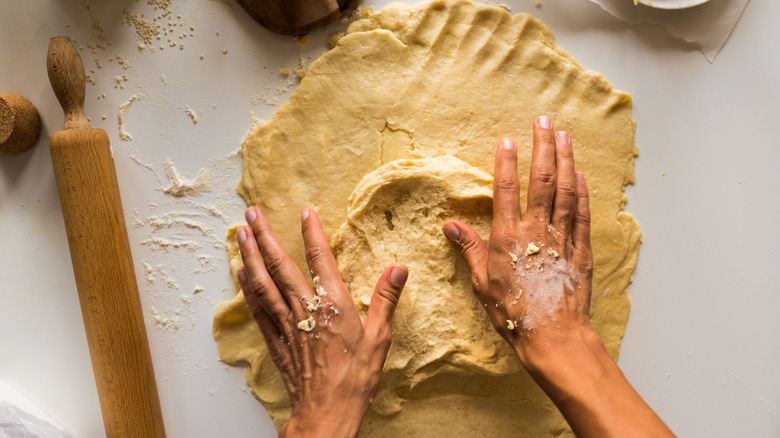
Pie crusts — generally made with butter, flour, ice cold water, and salt — also get a makeover when using Crisco. Though you will be sacrificing the rich, buttery flavor, full-fat shortening is easier to incorporate into the crust, combining with the flour without adding moisture, making it more malleable and easy to handle, and therefore faster to roll out.This quick incorporation also means you're not running the risk of developing more gluten, which can lead to a chewy crust. If you make a dough using butter, it's necessary to let it rest in the fridge to avoid this, but with Crisco that's not necessary — instant roll-out, and instant gratification. This is helpful with any pie crust, but this method is especially great for making pies or tarts with decorative crusts.
How to use Crisco beyond baking
There are plenty of ways to use Crisco outside of baking, though. Driven by the success of Crisco's launch, Procter & Gamble released "The Story of Crisco: 615 Tested Recipes and a Calendar of Dinners" cookbook in 1913. The tome features recipes ranging from sweet treats like caramel cake and cream puffs to savory dishes like lobster bisque and cream of tomato soup. And with the introduction of their oil and spray products, using Crisco in non-baking applications is easier than ever.
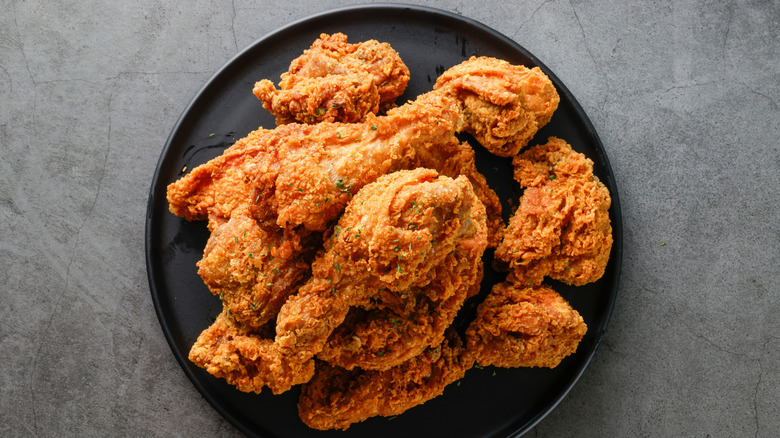
Take advantage of Crisco's high smoke point and use it for deep frying. Whatever you choose to make — batches of crispy, juicy breaded chicken; sides like French fries, tater tots, or onion rings; or homemade tortilla chips to serve with salsa or guacamole — the finished product will feel less greasy than if they were fried in oil. Use can also use Crisco to pan-fry proteins like salmon or chicken breasts or reap the same benefits when making pie dough with savory dishes like flatbreads, parathas, or pot pies.
Crisco products, including their oils, sprays, baking sticks, and the iconic cans, can be found in grocery stores around the United States. Those living abroad should tap into Amazon or their local specialty stores who may import them. The only question is what you'll cook up first.