

Can You Get Into Legal Trouble For Self-Checkout Mistakes?

Unfortunately, many shoppers assume a forgotten scan is treated as an innocent error, but retailers often take a much harder line. Over the years, as stores have invested heavily in self-checkout technology, they've also had to increase surveillance and put more employees on the self-checkout aisle to try and avoid loss (except Trader Joe's, who may never join the self-checkout party).
Doug Burnetti, founder of Burnetti, P.A., spoke exclusively with Chowhound about why cases against customers have become more common. "Most stores are prosecuting those cases," he said. "They want the self-checkout process to work smoothly, but they also want customers to know that if they don't do it right, then they will be prosecuted."
That doesn't mean you're getting taken away in handcuffs, but it does mean stores have a strong incentive to crack down on theft, whether it's intentional or not. Some research suggests stores that use self-checkout experience losses twice that of the industry average, so what feels like a convenient move for the customer is actually a risky move for the retailer. Burnetti says many stores are taking a tougher approach to these self-checkout errors in an effort to reinforce the importance of paying for every item before leaving, which is exactly why good self-checkout etiquette is so important. Always double-check the screen and your receipt to make sure items have been scanned correctly before you leave the store.
Intent matters, but fixing the mistake quickly can also help
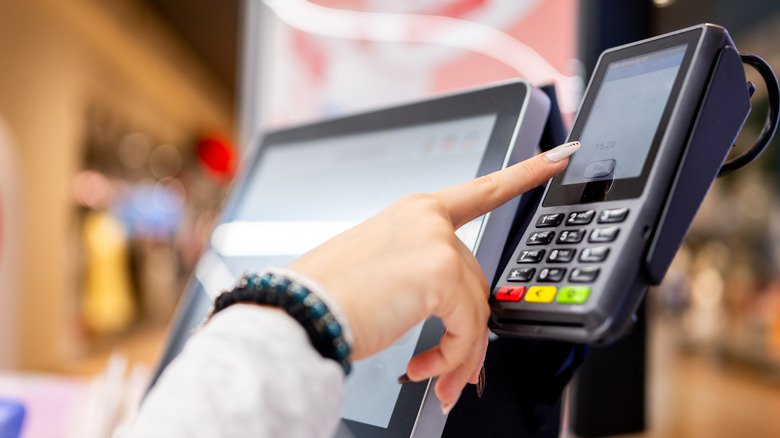
The reason it's a little less straightforward is that the law doesn't solely care about what happened, it's also concerned about why. According to Doug Burnetti, "Intent absolutely matters in most criminal cases." He pointed to the legal concept of "mens rea," which refers to a person's state of mind when an act occurs. The issue, according to Burnetti, is that intent can be a difficult thing to prove. Someone who forgot to scan their expensive store-bought beef jerky could look similar on security footage to someone who deliberately chose not to scan it.
As such, Burnetti recommends acting quickly if a mistake is discovered: "If you realize that you haven't paid for something, even if you get home, return it as soon as possible and pay for it," he told Chowhound. This helps demonstrate there was no intention to leave with unpaid items in the first place. If you catch your mistake before leaving the store, you can simply approach an employee to either pay for it there or hand it back. As Burnetti's comments make clear, retail disputes often come down to whether a shopper can show there was never any intent to avoid paying for it, and how quickly they can make things right.