

Here's What The Average American Ate During The Industrial Revolution
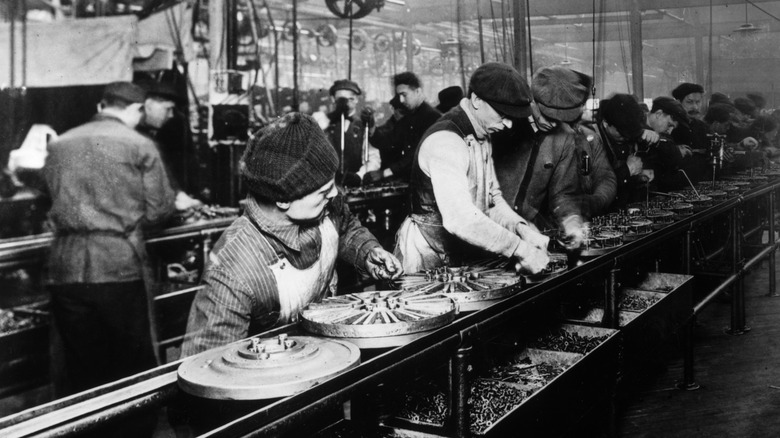
The Industrial Revolution was a major turning point in technology and machinery for the world. It took place between the late 18th and early 20th centuries, though it's often described as being two parts: the late 1700s to mid-1800s, then the late 1800s to early 1900s. During this time, Americans' diets saw a shift, too.
With the rise of factories, the lunch break began to take shape, and this impacted what Americans ate. The need arose for easy, efficient meals that people could eat on a short lunch break, and with people moving from rural areas into more populated towns and cities to find work, the food landscape shifted from freshly farmed food to easier, store-bought goods. Some great meal concepts came out of the revolution, such as the rise of the sandwich. Diets varied greatly based on wealth and class, but here's what you could expect to find on your plate as an average working American living during these rapidly modernizing times.
Sandwiches

With the increase of factory workers and long works days, Americans needed simpler meals that could be prepared in advance and eaten with little fuss. Sandwiches became popular during this time because they provided filling ingredients, such as protein and carbs, but didn't need a full kitchen to prepare. Anything from a sardine sandwich to a chicken sandwich or egg sandwich were all popular choices.
Canned soup
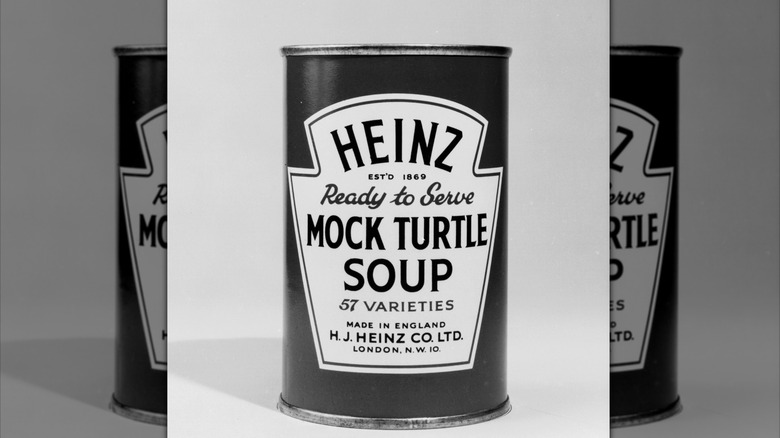
In the late 1870s, canned goods were on the rise. Soup has been around for centuries, but canned soup became another easy way to get a quick meal with little prep work. Campbell's first jarred soup was launched in 1895, with canned condensed soup coming two years later, offering working Americans easy, affordable access to another quick meal. Other brands, such as Heinz, also produced canned soup at the tail end of the Industrial Revolution.
Canned meats
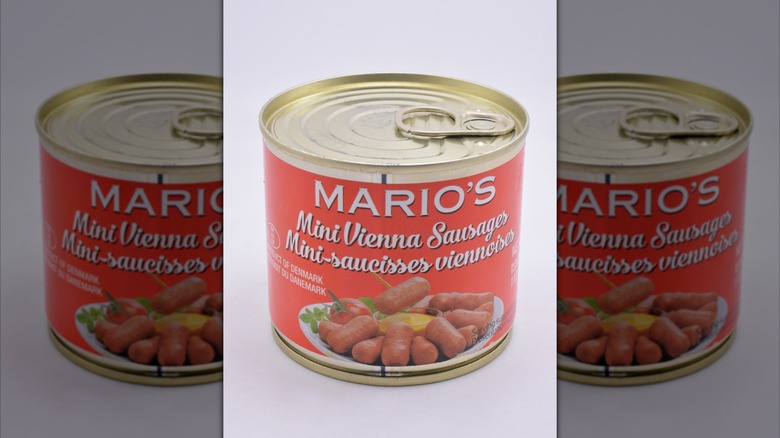
Canned meats had a popularity glow up after the development of canned goods, mostly because they were a big part of keeping people fed during the Civil War. The ability to purchase shelf-stable meat became popular for working families looking for low-cost groceries. Canned meats, such as Vienna sausages and corned beef, saw a popularity boom in the early 1900s, and they're still on store shelves today.
Oysters
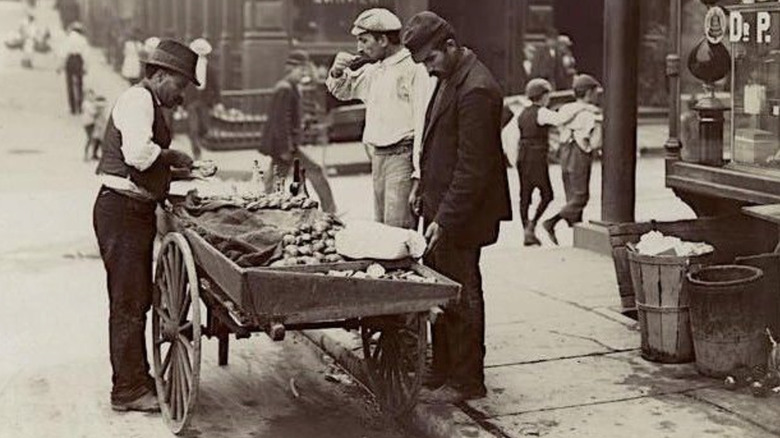
As people relocated from rural areas to busier towns and cities to find factory work, street vendors saw an opportunity to make money on easy "street foods." These handheld foods let people grab a quick snack or lunch on their short break. Nutrient-rich options, such as oysters, became a popular choice for working-class Americans. This is one reason oysters were once seen as a cheap food eaten by people with less-fortunate economic backgrounds.
Hot dogs
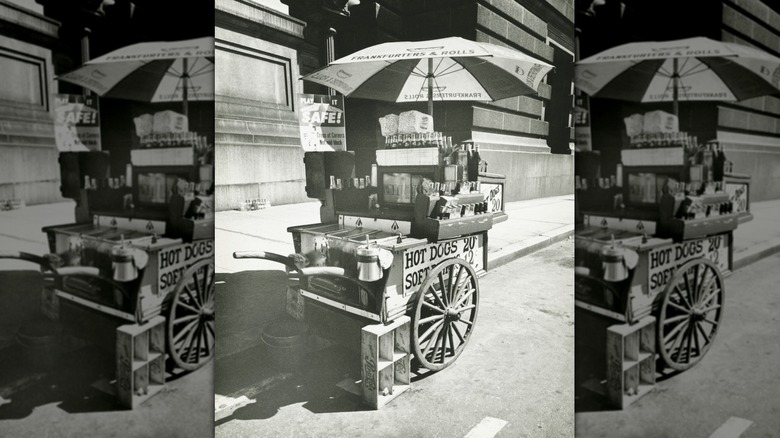
Just like oysters, hot dogs were a popular street food choice — and still are on the streets of New York and Chicago. The meat and carbs had a similar filling effect to a sandwich, plus they were easy for street vendors to prepare. These days, American hot dog styles vary by region, but they started as a simple, no-frills meal for working people.
Cereal
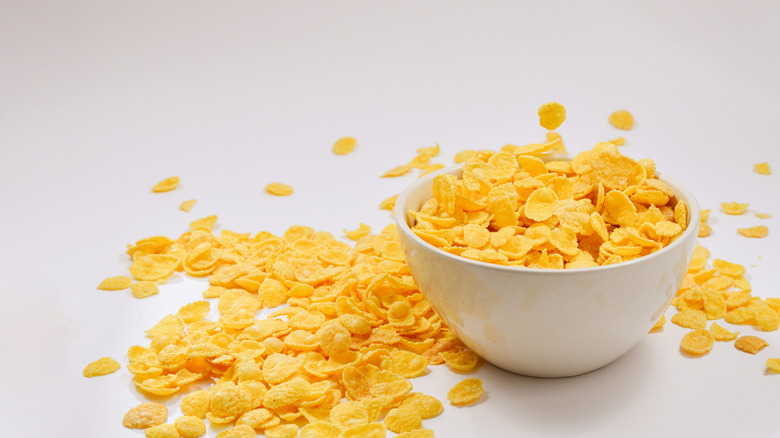
Big breakfasts weren't a thing when you or your parents had to spend up to 16 hours a day at the factory, so quick, accessible meals became popular for breakfast during the Industrial Revolution. Cereal was born right when Americans needed it most: Dr. John Kellogg invented corn flakes in the late 1800s, and his brother Will marketed them at the turn of the century. These days, it's still a popular choice for a quick and easy breakfast.
Coffee

Long factory shifts often came with little sleep. As a result, coffee became a way for people to stay alert, leading to a rise in demand among the working class. While we see a morning coffee as a relaxing way to start the day, many Americans during this period saw it as an absolute necessity.
Condensed milk
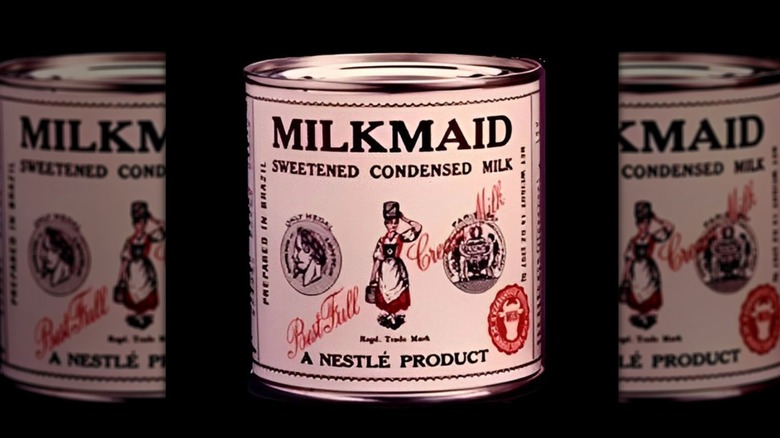
Condensed milk was also born out of necessity. Keeping milk fresh without proper refrigeration was impossible, so transporting milk from farms to cities was difficult. By removing some water, adding sugar, then canning it, milk became a sweetened, condensed, and shelf-stable version of its former self. It became wildly popular during the mid-1800s as a result of the Industrial Revolution and the Civil War.
Various meat cuts
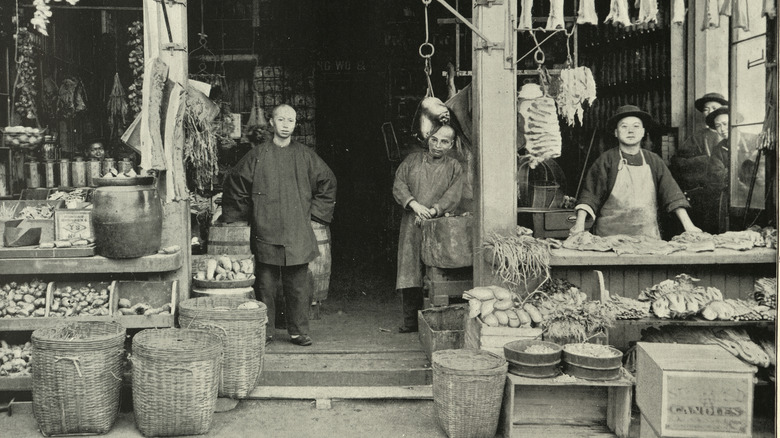
With the rise of city populations and more machinery, typical farming practices were replaced with butcher shops, meatpacking houses, and easier transportation methods that got meat from one place to the next. As a result, accessibility to fresh meat increased, and with the patent of the refrigerated railroad car in the 1860s, different meat cuts were soon widely available and on almost everyone's table.