

What Exactly Are The Flavonoids Hiding In Your Fruits And Veggies?
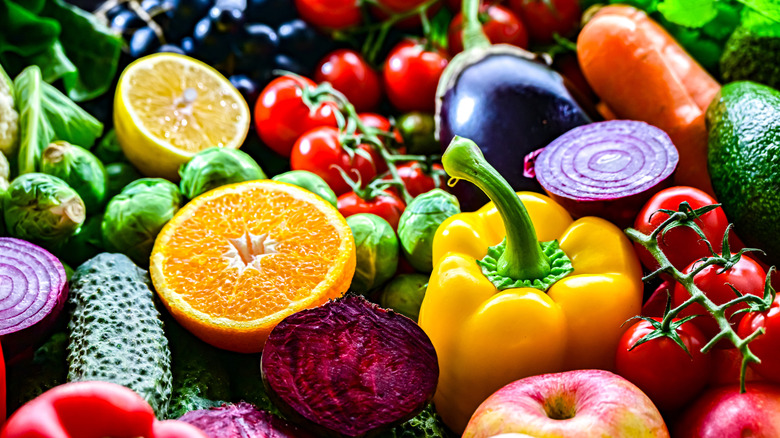
Anyone who remembers the superfood frenzy that dominated the first decade or so of the 21st century is likely familiar with the term "flavonoids." Though the existence of superfoods has mostly been debunked (all fruits and veggies have lots of nutrients, not just some of them), flavonoids are very real, and studies show that there may be many health benefits attached to them, from lowering blood pressure to helping prevent and fight cancer.
To be extremely specific, flavonoids are phytochemicals (chemicals that occur naturally in plants) that help plants grow and thrive by attracting pollinators and warding off disease. They also produce pigments that give plants their color — in fact, a plant's color can give you clues as to which flavonoids it contains, as there are six main types. For instance, dark purple, red, and pink fruits such as cranberries, blueberries, and plums contain anthocyanins.
Another term associated with flavonoids you may be more familiar with is antioxidants. Though these terms are often used interchangeably, it's more accurate to say that flavonoids have an antioxidant effect on the human body by neutralizing free radicals. Per WebMD, free radicals are unstable molecules that damage our cells. That damage can cause inflammation, which is linked to chronic issues in the heart and brain, and may contribute to developing cancer. Flavonoids' antioxidant properties help prevent and reduce this inflammation, thus also reducing the risk of developing certain health problems.
Putting the flavor in flavonoids by tasting the rainbow
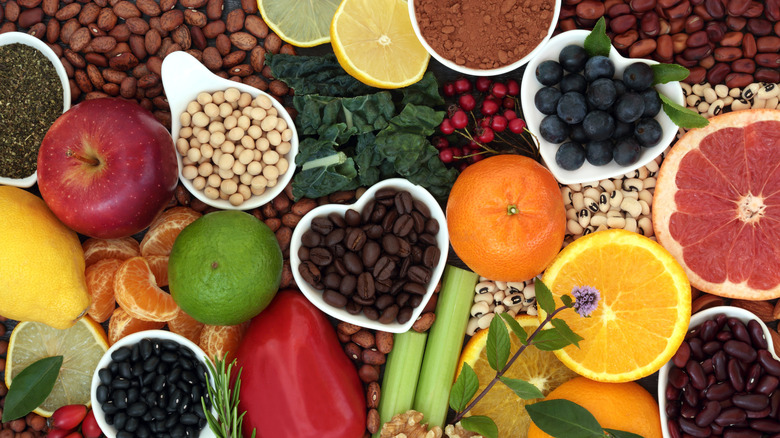
Since flavonoids are so beneficial, it's great news that they occur in high amounts in lots of delicious foods. That means enhancing your coffee's flavor with cocoa powder isn't just a tasty recipe for homemade mochas, it's also a great way to get more flavanols (a type of flavonoid) into your system. Flavanols can also be found in green and black tea, cinnamon, grapes, bananas, pears, and apples. But they're just one of the main categories of flavonoids.
Another of the six is anthocyanins, which, as mentioned previously, occur in dark red, purple, and pink fruits, and help lower blood pressure and prevent neurological diseases. Flavonols (different from flavanols) show up in lettuce, tomatoes, onions, and kale, while isoflavones are found mostly in soybeans, including edamame and foods like tofu. Flavanones are highest in citrus fruits, including oranges, limes, lemons, and grapefruit. Flavones, technically a subgroup of flavanones and their closely named cousin, are concentrated in popular green herbs like thyme and peppermint, along with spicy peppers and celery. Chalcones, the sixth main type of flavonoids, are present in tomatoes, apples, pears, and citrus fruits. As you may have deduced, many of the plant-based foods listed contain more than one type of flavonoid — blueberries contain anthocyanins and flavanols, for instance.
While some flavonoids are better at preventing certain diseases (flavanols are great for cardiovascular health), all of them are excellent sources of antioxidants that help reduce inflammation, prevent cancer, and protect your overall health. That means eating colorful whole foods by, say, tossing some delicious, tangy marinated berries in your next kale salad and topping it with an herby citrus vinaigrette isn't just delicious, it's a great way to foster your long-term wellbeing.