

Here's What Happens When You Accidentally Eat Citrus Seeds

When life gives you lemons, make lemonade, but always aim for that perfect, seed-free squeeze. One of the easiest ways to get there is by using lemon cheeks — the simple, yet clever lemon trick that keeps seeds out of your food and drinks. However, what if you accidentally end up swallowing citrus seeds without intending to? Even in such cases, there's no need to panic. That's because your body will treat them just like any other indigestible material and get rid of them as soon as possible.
According to James J. Chao, board-certified surgeon and the co-founder and chief medical officer of San Diego's VedaNu Wellness, the seeds will make their way out of your system without causing harm. "Swallowing a single seed whole will nearly always be a non-issue," Dr. Chao said.
Citrus seeds' outer layer is fibrous, very tough, and can't break down through digestion. It is made of two halves of a shell, called testa, that shields the embryo from environmental and animal damage, as well as from premature germination. Hence, gastric acid and digestive enzymes can't break them down. "It'll transit through your digestive tract whole, and exit the body through bowel movements within a day or two," Dr. Chao told Chowhound. "If you're an adult with no medical concerns regarding digestion, swallowing a seed isn't something you should worry about at all," Dr. Chao told Chowhound.
Cyanide exposure is more likely with seeds from other fruits

When asked whether chewing citrus seeds can really lead to toxic cyanide exposure, Dr. James J. Chao pointed out that the risk is minimal. "Cyanide in seeds is almost exclusively a concern when dealing with stone fruit and pome fruits like apricots, peaches, cherries, apples, and the like," Chao stated. These are actually the most toxic foods that are probably in your household now as they contain amygdalin, a precursor involved in cyanide formation.
As it turns out, citrus seeds contain little to no clinically significant amounts of amygdalin. "They are in a completely different family of plants and haven't been listed in any published study as a known source of cyanogenic glycosides," Chao said. "So, the danger of cyanide poisoning from citrus seeds isn't possible under normal circumstances."
In contrast to citrus seeds, cherry pits are some of the most well-known sources of cyanide. That is because the hard stone at their center contains amygdalin. This compound can transform into hydrogen cyanide in the body if the pit is crushed or chewed, and then swallowed. Apple seeds are another source of amygdalin, and while the seeds' protective coating generally prevents cyanide from getting into your system, it's best to avoid consuming them just to be safe. At the same time, raw or unripe elderberries can also be toxic because they contain lectins and cyanide compounds.
Ingesting too many seeds on purpose may upset your stomach
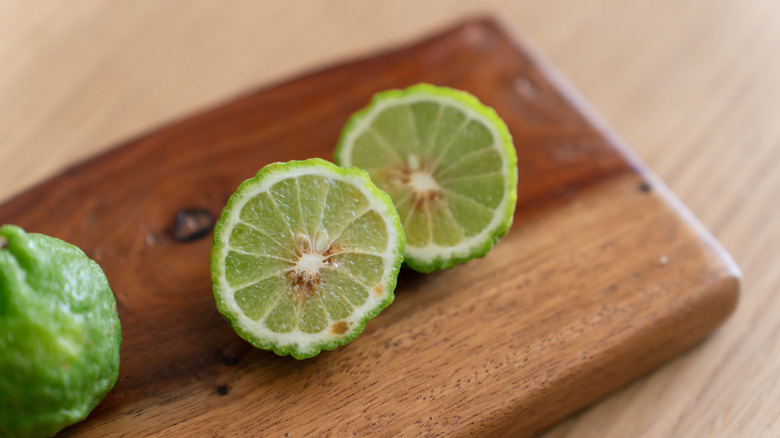
Dr. James J. Chao, who has collaborated with many pro athletes, including those from the San Diego Chargers and the ESPN X Games, highlighted that it would take a massive amount of seeds to cause real harm. "I wouldn't recommend chewing and swallowing masses of citrus seeds anyway," he added. That's why when squeezing lemon juice, you can keep the seeds from ending up in your glass by using kitchen tongs over a bowl — the convenient (and affordable) lemon juicing hack that's almost as good as a machine — then using a spoon to scoop the seeds out of the bowl.
In case of seed ingestion, according to Chao, possible side effects include a mild stomach discomfort, headache, or nausea. Depending on the type of citrus, the seeds can contain significant amounts of fiber. And because fiber is indigestible, it can lead to bloating and cramping, as well as constipation. This means that there's a limit to how much the digestive system can tolerate before discomfort sets in.
However, if, for some reason, you ended up ingesting an unusually high quantity of seeds, don't ignore the signs. "If you do start feeling sick after chewing and swallowing large amounts, symptoms to look out for would be continued nausea/vomiting, abdominal pain, and dizziness," Chao stressed. "If you experience any of those symptoms about 1-2 hours after ingestion, you should seek medical attention or call poison control," he said.