

The Rare Italian Heirloom Tomatoes You Need To Grow This Year
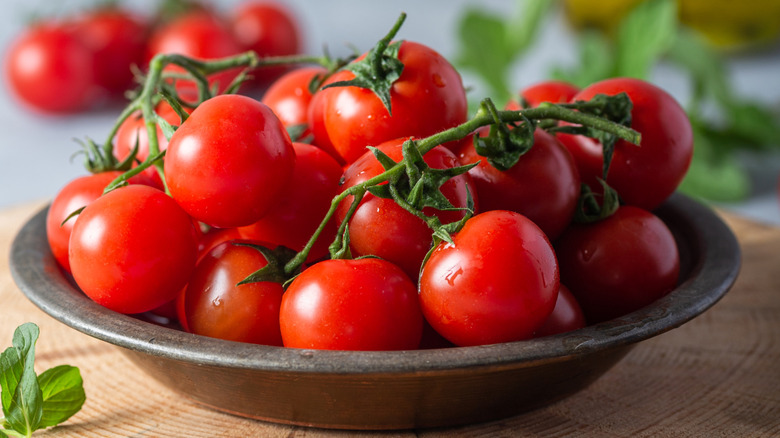
Tomatoes are a staple of Italian cuisine. Sure, they may have arrived in Europe thanks to Spanish exploits in South America in the 16th century, but could you truly picture a gooey, melty Margherita without its signature fresh and tangy tomato sauce, or a Caprese salad made with only mozzarella and basil? Italy may not be the country that produces the most tomatoes in the world, but the fruit is deeply rooted in its culinary tradition, which is clear from the fact that the nation cultivates more than 300 kinds of tomatoes. One of these, the Aosta Valley cherry tomato, is a tasty variety you should consider growing in your garden this year.
As indicated by its name, the variety hails from the Aosta Valley, a region in the Italian Alps famous for skiing and fontina cheese. It is an heirloom, meaning it's a non-hybrid, open-pollinated cultivar that's been passed down from generation to generation. This tomato is a large cultivar of the cherry tomato, which is the easiest tomato variety for beginners to grow.
It boasts bright red and oval fruit that can reach up to 2 inches in diameter and weigh as much as 1 ounce. Recognized for its distinct shininess, the Aosta Valley tomato is naturally sweet and only mildly acidic, making it delicious fresh or as part of a cooked recipe. It features a thick skin and firm flesh, giving it a relatively long shelf life.
Tips for growing flavorful Aosta Valley cherry tomatoes
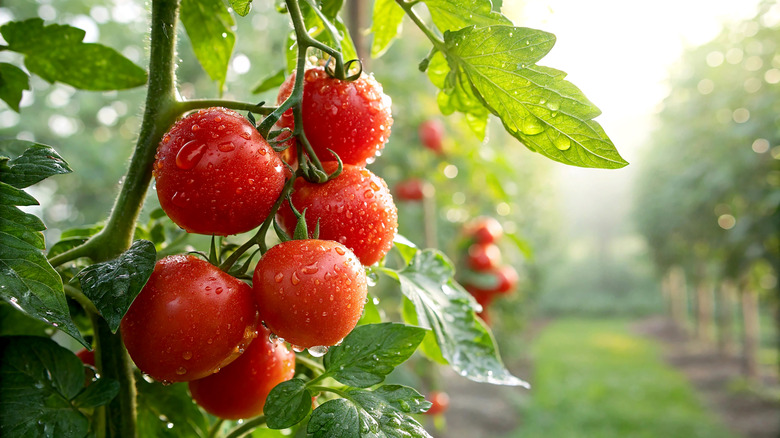
If you're ready to start cultivating Aosta Valley cherry tomatoes, there are a couple of important details you should know. For an earlier harvest and a more potent growing season, start the tomato seeds indoors. Do this at least six weeks before the last frost, but also be careful not to start too early because otherwise, the seedlings will turn out weak and leggy due to insufficient light.
Make sure to keep them warm during this stage, because maintaining a steady temperature of around 85 degrees Fahrenheit is crucial for successful germination. This is where a heating mat will come in handy during chilly evenings. It usually takes two weeks for the seeds to sprout, and two more for the first leaves to appear. Once this happens, you can transplant them outside in fertile, nutrient-rich soil. Consider enriching it with compost or manure beforehand.
When planting, leave about 18 inches between each plant, and stake them early to keep them upright and boost the yield and the quality of the fruit. Prune the plants once they reach about 12 inches in height for better airflow and to protect them from disease. Finally, don't forget to water them. To avoid damage to your tomato harvest, water at the base of the plants. They typically need between 65 and 70 days to ripen. Once they've reached full maturity, feel free to harvest and savor them. Whether fresh, dried, or slow-simmered and turned into a sauce, they won't disappoint!