

Where Do Bakeries Get Their Supplies?
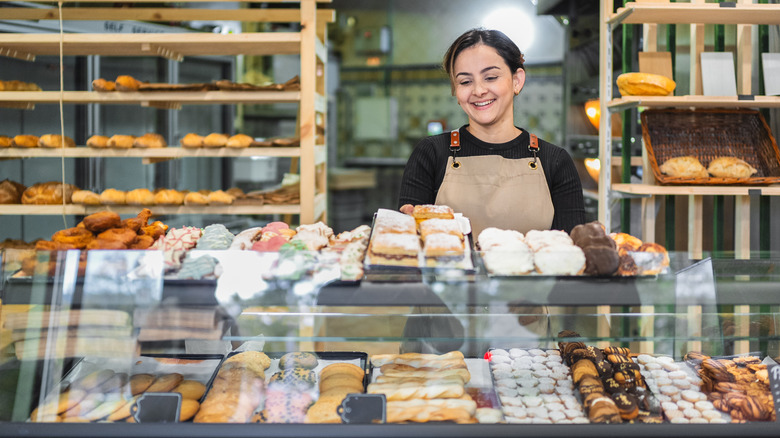
Bakeries use lots of ingredients to create the goodies that are perched behind each glass case. Flour, sugar, butter, and eggs are probably the most important staples, but bakers also need yeast, baking powder, chocolate, spices, fruits, and nuts in order to make a variety of sweet and savory pastries, cakes, and breads. In addition to ingredients, every bakery also needs other supplies to keep the operation running smoothly like parchment paper, pastry bags, cake boxes, and baking equipment. So where do bakeries get all of these supplies? The answer hinges quite a bit on the size of the bakery and the types of products it sells.
Most bakeries use a combination of bulk food wholesalers and distributors, restaurant suppliers or warehouses, and local or regional specialty suppliers. Smaller, independent bakeries may also stock up on ingredients from grocery stores like Costco and others source ingredients from local farmers and other small-scale producers. When most of us think of the word bakery, the picture in our mind is usually of a small space with cakes and croissants. A bakery can mean a lot of different things, however. Some bakeries are, indeed, small, neighborhood shops that bake fresh pastries and bread each morning. Others are much larger and produce specialty products (just bread, for example) in huge quantities that are sold directly to restaurants and grocery stores. Even small-scale bakeries tend to specialize, with some focusing on laminated items like croissants, while others make only custom cakes, for instance.
Ordering bakery supplies comes down to scale
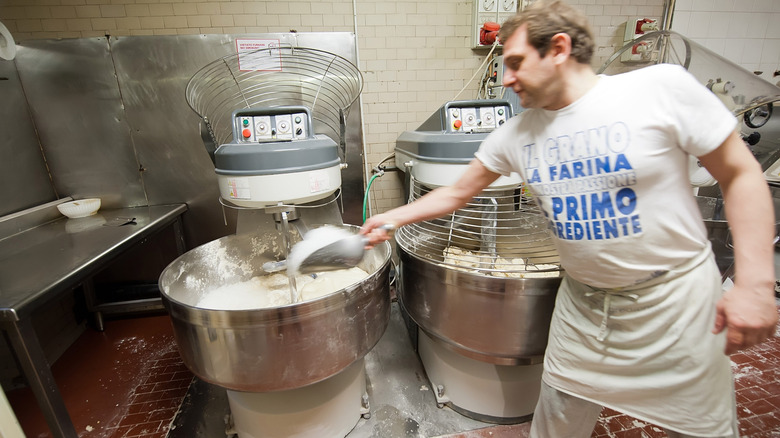
The size and specialty of a bakery makes a big difference in how the staff decides to purchase the majority of supplies. Most staple items like flour or sugar are ordered in bulk, but because baked foods are supposed to be as fresh as possible (even at Costco), all bakeries tend to order supplies frequently. The difference between where they are ordered is in the scale. Small bakeries might place orders every week with a restaurant supply store like Webrestaurant or a wholesale distributor like US Foods, for instance, while larger bakeries receive orders for hundreds of pounds by the pallet that come directly from national ingredient suppliers.
As for specialty products, many bakers work directly with small-scale mills, dairies, or other niche producers for products like flours, butter, and organic produce. Certain specialties like cake decorating also require specific tools like pastry tips, cake release spray, and candy molds, which can only be found in specialty baking supply stores or through online retailers that cater to professional bakers like JB Prince. Many of these sources are discovered through word of mouth among bakers and bakery managers working in the industry, while others come from relationships built between bakeries and trusted local producers who can deliver products consistently. So the next time you are choosing a sticky bun or a baguette from the bakery case, keep in mind that there are many ingredients, tools, and suppliers that bring each bite to life.