

Why Food Might Not Taste As Good When You're Eating In Denver
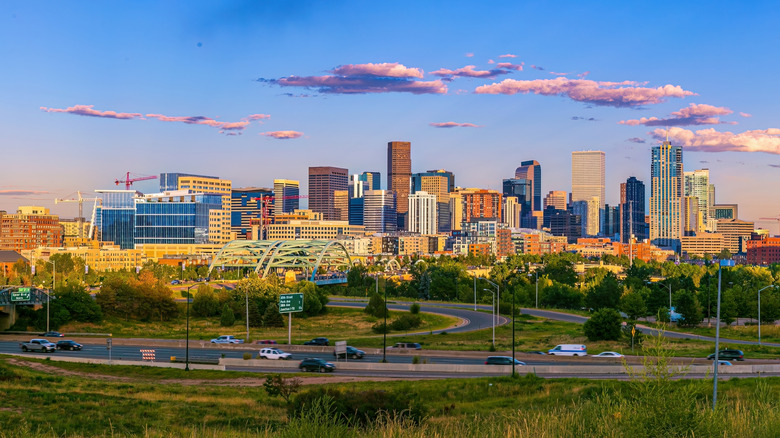
When you're enjoying food in Denver, it might taste a little bit... different. Not necessarily bad, but not as flavorful as you're used to — if you've ever tried to enjoy a meal on an airplane, you've likely experienced something similar. Food can be a bit bland, coffee can be a bit bitter, and you might find that it's harder to enjoy the flavors you'd easily experience at a lower altitude. It turns out there's a scientific explanation for why food tastes different in the Mile High City, or anywhere with super-high altitude.
When you're up in the mountains, atmospheric pressure is lower than it is at closer-to-sea-level elevation. This change in pressure, combined with the often low humidity levels and decreased oxygen levels found at higher elevations, can affect both your sense of taste and smell. One study from the Aviation, Space, and Environmental Medicine journal even found that high altitude made it harder for people to sense salty and sweet tastes, while making it easier for them to notice sour and bitter tastes. When sour and bitter notes are amplified and sweet and salty deliciousness is downplayed, it can make it tough to enjoy the same tastes you would on lower ground. If you're grabbing America's favorite burger or otherwise enjoying a restaurant in Denver, you'll likely find the food to taste pretty similar to what you'd prepare at home, as the kitchen has likely already adjusted the salt and sweetness levels for the elevation.
Tips and tricks for maximizing flavor and getting recipes right when you're cooking at high altitude
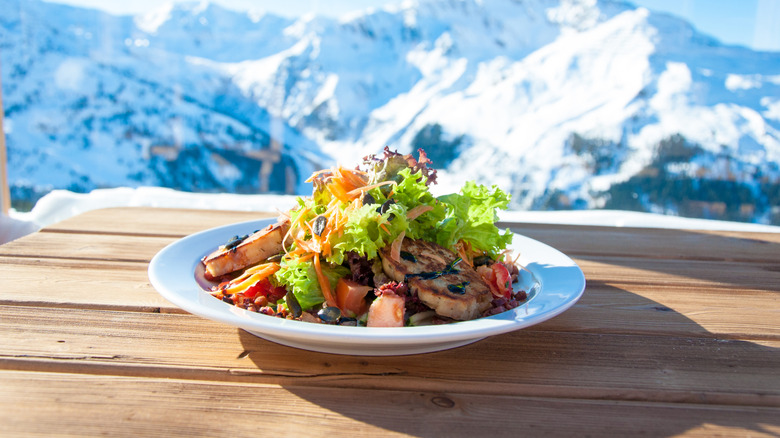
If you're spending time in the kitchen in Denver, however, all hope isn't lost. There are a few tips and tricks you can put to good use to create great-tasting food while you're up in the clouds. If you're cooking at high altitude for the first time, you'll likely find that you need to make some adjustments to get the lower-elevation flavors you love. Since food doesn't quite have the same intensity at higher elevations, you may need to ramp up your seasoning game to create a dish that appeals to your palate. Tasting as you go is especially important when you're cooking at sky-high levels.
Using more liquid than normal (for example, if you're using a slow cooker or making a roast in the oven) may be necessary to stop your food from drying out due to humidity changes. You also might need to cook foods for longer periods of time. As with seasonings, there can be a bit of a trial and error process to getting it just right — be sure to allow yourself some extra time to get dinner on the table if you're making a soup, stew, or other liquid-heavy recipe. Temperature increases may be also necessary in Denver and other cities in higher elevations. Rising happens fast at higher elevations, so you may need to reduce the amount of baking soda or powder in your recipes. Trying a yeast-based recipe? You might simply find that it doesn't take quite as long to rise. While it can take some time to get used to baking up high, with a few simple adjustments, you'll be perfecting your favorite recipes in no time.