

Silicone Bakeware Is Expensive, But Is It Worth It?
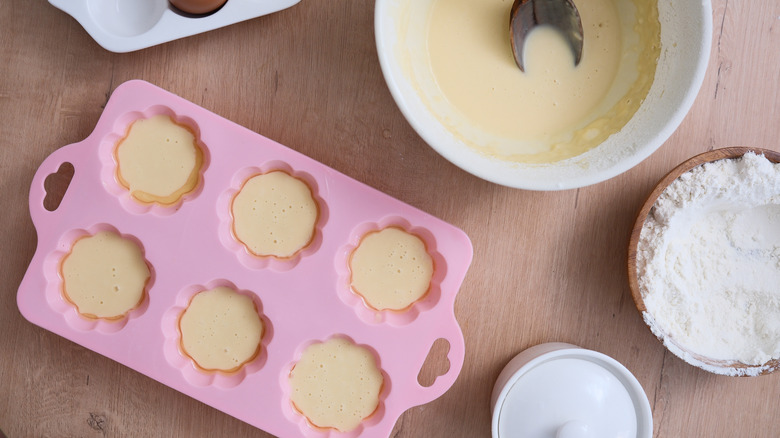
Silicone bakeware has gained a lot of popularity in recent years. It's flexible, features a non-stick surface, and is incredibly easy to clean. Whether you're baking the delicate Southern dessert that is mahogany cake, a simple carrot cake, or even something savory like a buttery quiche Lorraine, it's the ultimate baking tool. That's why it comes as no surprise that it proudly earns its spot among the most common bakeware items that professional bakers use.
However, silicone bakeware does come with a higher price tag than traditional aluminum or stainless-steel cake pans. This is largely due to the massive cost of premium silicone materials, which can sometimes exceed $2,000 dollars per ton. Manufacturing methods also contribute to the overall price, along with the rising demand, which may not sit well with home cooks shopping on a budget. So, is silicone bakeware worth the price? For the most part, yes, though there are a few downsides to consider before you decide to make the investment.
High-quality silicone bakeware is highly resistant to damage. It won't rust, dent, or warp, unlike regular metal bakeware. In addition, silicone bakeware is extremely flexible and lightweight. It boasts rubber-like qualities and is made by combining purified sand (silica) with oxygen, hydrogen, and carbon. Because of this, it's easy to handle, simple to move around, and can fit anywhere in your kitchen — including drawers, cabinets, and tight storage spots — without taking up too much space.
The upsides and downsides of silicone bakeware
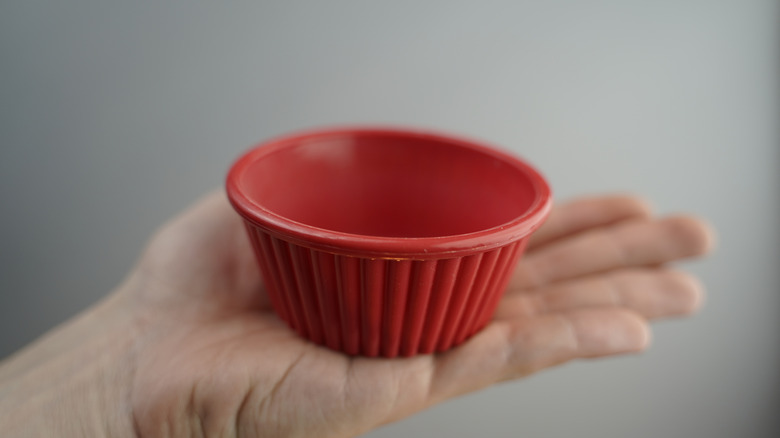
As previously stated, silicone bakeware is easy to clean. In fact, dish soap and a soft sponge is all you need for proper maintenance. While it's naturally non-stick, leftover residue can be removed by soaking the bakeware in hot water. Then, simply apply some baking soda (which isn't just the easy way to get a squeaky-clean oven) and scrub lightly.
Silicone is typically BPA-free, which means it doesn't leach chemicals or add unwanted flavors and odors to food. It's also safe for the microwave and freezer and can withstand an oven temperature up to 450 degrees Fahrenheit. However, silicone can be a drawback if a certain dish requires higher heat. Exposing the bakeware to such temperatures can cause it to melt. Although silicone bakeware is nonporous, it usually requires a sturdy baking sheet underneath for support. Without it, runny ingredients like cake batter can spill in the oven and create a mess.
Additionally, silicone bakeware can absorb pigments and odors from foods like tomato sauce, garlic, and spices. These can linger for a long period of time if silicone is not cleaned properly. Ultimately, when compared with metal, silicone doesn't conduct heat as well, which can lead to uneven browning and longer cooking times. Silicone bakeware may not be the best pick if you're aiming for a beautiful golden crust, baking at a higher temperature, or on a budget. However, if an easy-to-clean, compact solution is what you're after, then it's definitely worth considering.