

The Famed 1910s Baking Ingredient Created From Industrial Waste

The 1910s saw its fair share of modernizing shifts, some of which revolutionized even the culinary scene. Meals became easier to get if you didn't want to make one at home — a result of the growing role of local factories and grocery stores. There were quite recognizable innovations, too, such as the launch of Crisco — the famed 1910s baking ingredient created from industrial waste — which contributed to present kitchens more than you might expect.
The cotton industry was skyrocketing at the time, and industrial waste from cotton seeds surged, leaving manufacturers with no idea what to do with the surplus oil. Chemist David Wesson had a solution: to make the cottonseed oil palatable as a food item by making it unobtrusive on the palate through chemical processing.
Household goods company Procter and Gamble found a way to transform cottonseed oil by turning the ingredient into a block of fat through hydrogenation. Procter and Gamble used partially hydrogenated cottonseed oil in Crisco, selling the product as shortening for baking, frying, and more. Not long after, everyone was going crazy for Crisco, turning it into a staple baking ingredient. It wasn't because the consumers immediately warmed up to the idea of using industrial waste in their food, but rather, it had something to do with how Crisco marketed its product, eventually changing how we eat.
How Crisco took over American kitchens
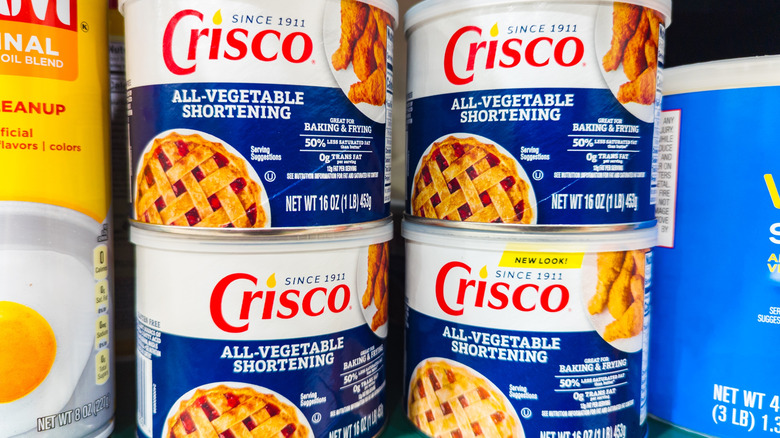
Cottonseed didn't have the best reputation even during the 1910s, as it was being used by companies to cut with olive oil to increase profits. The controversial ingredient was even known to be found in roofing tar and dyes — not exactly appetizing. Crisco managed to sneak cottonseed oil into American kitchens with its advertising strategies, simply stating it was vegetable oil and using other terms that wouldn't raise red flags. The refinement methods made it no longer instantly harmful, but the partially hydrogenated cottonseed oil in the Crisco formula contained trans fats. Trans fats in earlier forms of Crisco have since been linked to an increased risk of heart attacks.
Crisco's marketing approach allowed the ingredient to garner attention from consumers for its impressive advantages. The product doesn't add an overpowering taste to a dish and its long shelf life is definitely an enticing merit. Some people reach for the product when they need an oil with a high smoke point, which is a big deal in cooking. Within just five years of its introduction, Americans were buying millions of cans of Crisco per year.
Crisco changes its recipe
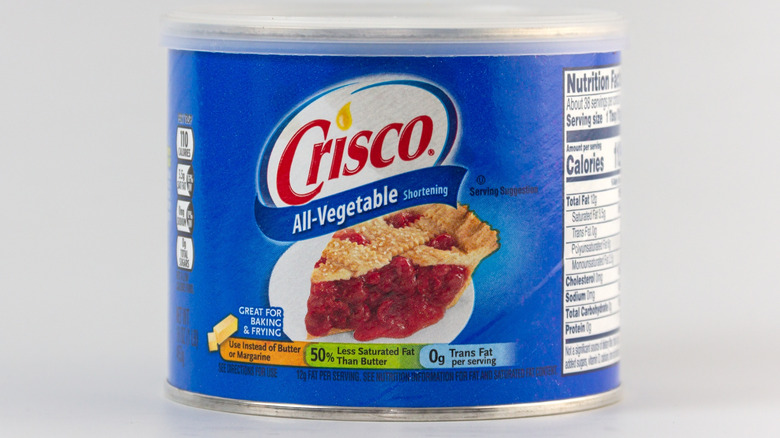
Because of the discovery of how trans fat can be detrimental to one's health, Crisco reformulated its recipe in 2007. Modern cans of Crisco primarily contain soybean oil and palm oil. Following the 2006 FDA rule requiring foods to list trans fats on nutrition labels, many other companies turned to alternatives, too, which made shopping for food more risk-averse. Admittedly, the caution feels quite recent, considering cottonseed oil has been around since the 1910s, even becoming linked to major food safety issues in the '80s everyone just ignored until they finally caught attention in the mid-2000s.
In the present time, you'll no longer see the original iteration of Crisco on grocery aisles. Still alive and kicking, the brand now sells cooking oil and, of course, vegetable shortening — which can even work as a butter substitute — along with other products. Its new formula no longer uses copious amounts of trans fats, yet the brand managed to recreate the same effect that makes people reach for it. Now, Crisco's influence from the 1910s remains, urging us to be mindful of what's inside the box, rather than merely trusting the name, logo, and gimmicks.