

I Got A Steam Oven And It Changed My Cooking Game Forever
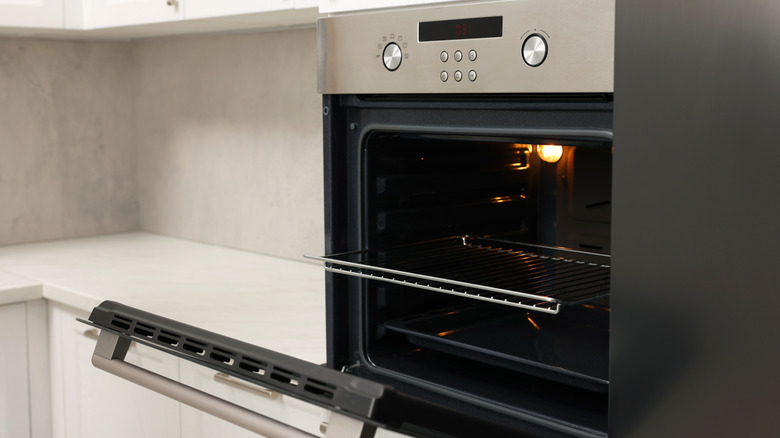
In my day job, I'm used to working with equipment I'd never have in my own kitchen — mostly because they're essential pieces of kit in a professional kitchen while they're just unnecessary in the home. Let's face it: You don't need a Robot Coupe, a Pacojet, or a sous vide. They're cool gadgets for the average home cook, sure, but most don't use them enough to warrant the price paid or the massive amount of space they take up. No, with a half-decent knife and a couple of great pans, you can cook pretty much anything. But I have a confession to make: I am a hypocrite. Despite it being wildly unnecessary, I started cooking with a steam oven, and it changed the game.
Steam ovens are perfectly normal sights in a lot of professional kitchens. The combination of oven and steamer is a useful tool because it lets you control an incredibly important factor when baking, roasting, or slow-cooking: humidity. Whether you're baking bread or cakes or cooking delicate proteins, such as fish or crustaceans, being able to control how much steam is in your oven totally changes your cooking when it comes to consistency and convenience.
Why a steam oven is a game changer when it comes to baking
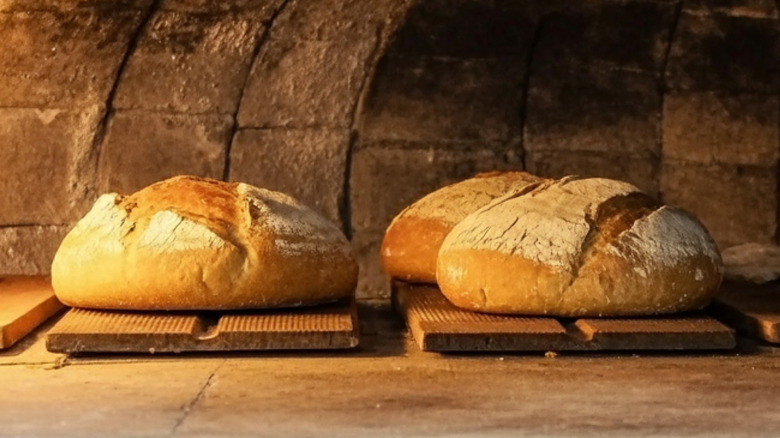
Steam ovens are particularly brilliant when it comes to baking and are a major secret behind why the bread you get in bakeries and restaurants is so good. A little more humidity than you find in a standard oven and the consistent heat you get from a little steam makes for a better rise, a crispier crust (which is also improved by the Maillard reaction), and a lighter, more open crumb. All this to say, a humid oven makes for better bread.
It's all down to science. The moist heat delays the formation of crust on the outside of bread, which lets the dough fully rise before it sets, reducing the risk of underbaked, dense bread. When the crust does finally set, a glossier, caramelized finish is achieved thanks to a process called starch gelatinization, which sees the outside of the bread absorb steam as it grows before bursting.
The ability to control the humidity of the oven mid-bake is also extremely useful here, especially when making bread. I like to start things off at a relatively high humidity, using a combination of steam and convection heat, to let my loaf really puff up. Once it's set, I reduce the humidity to help the crust firm up. If steaming bread is good enough for Paul Hollywood, it's good enough for you.
Steam ovens are also an upgrade when it comes to cooking proteins
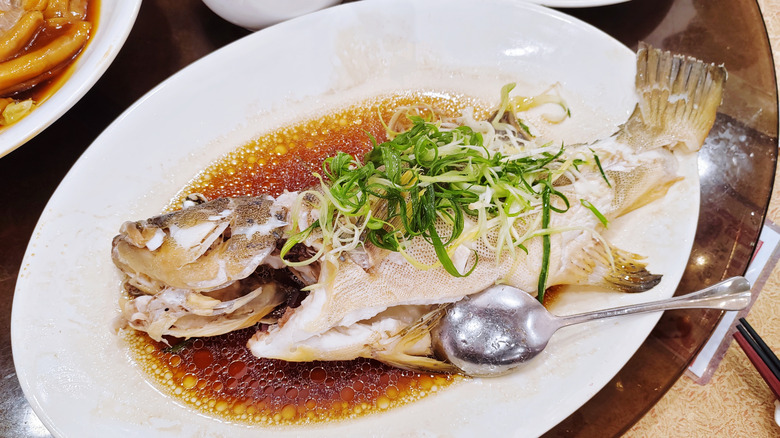
The benefits of using a steam oven aren't just felt when baking. Steam ovens are also extremely useful for cooking proteins with more consistency since they provide a gentle, even application of heat you can precisely control. This makes steam ovens perfect for cooking delicate proteins, especially fish, that have a tendency to break apart or dry out under the intense, direct heat of a regular oven. While many home cooks can be intimidated by the fickleness of fish, the moist heat of a steam oven keeps the delicate flesh tender and flaky while also reducing the secretion of albumin (the white stuff that comes out of fish when cooked at a high temperature).
It's not just fish. Chicken breast comes out incredibly juicy, as do other proteins, such as crustaceans, oysters, and scallops (which have a tendency to go a little rubbery when cooked in an oven). It also makes for more flavorful food; simply place ingredients such as citrus, ginger, or hard herbs underneath what you're cooking so the aromatics in the steam can penetrate deep into whatever it is you're making. Plus, because there's no aggressive searing, more delicate flavors (such as the natural sweetness of fish) remain intact, resulting in a much deeper, more complex flavor profile. Even better, steam ovens make it simple: just dial in the degree of humidity you fancy and away you go.