

The Olive Oil Everyone Should Be Talking About
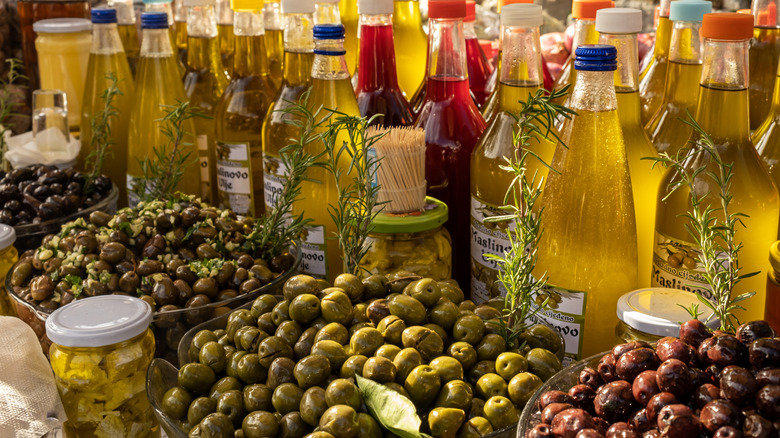
Olive oil is a staple of the Mediterranean diet, but its flavor varies across the region. If you've ever wondered why olive oil from other countries tastes different, it usually comes down to terroir — the combination of climate, soil, and geography that shapes its character long before it finds its way into the bottle. It's terroir that makes Spanish, Italian, and Greek olive oils so distinct and earns them a reputation as the industry's "Big Three." But while these olive oil giants dominate the scene with nearly half of the world's production, a country on the eastern Adriatic coast, called Montenegro, has lately been making its way toward the spotlight.
Montenegro is tiny. In fact, it's about 9 times smaller than New York. What's more, roughly 80% of its terrain is mountainous, which naturally raises the question: where do they even grow olives? Well, the answer lies in its coastline, where according to Ana Radinovic (née Mardjokic), CEO of Celebic Agrar, a Montenegrin producer specializing in extra virgin olive oil, olive cultivation has been present for thousands of years. "Montenegro's coastal Mediterranean climate is ideal for olive cultivation, with long, warm summers, mild winters, and plenty of sunlight," she told Chowhound.
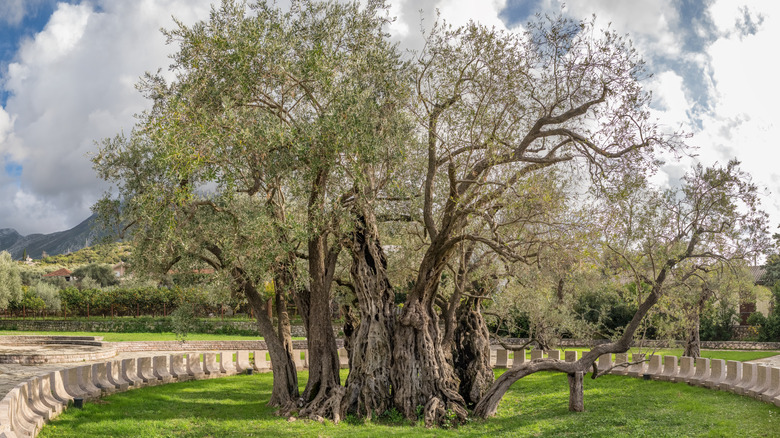
That's hardly surprising, given that the coastal town of Bar is home to "Stara maslina" ('The Old Olive'). Considered one of the world's oldest surviving olive trees, the ancient specimen is believed to be more than 2,000 years old. However, inland regions have lately also begun producing premium extra virgin olive oil. "The central region of the country, especially areas around Tuzi, Zeta, and Podgorica, has shown great potential," Radinovic noted.
The olive oil's fruitiness comes from local varieties
While Montenegrin olive producers cultivate both indigenous and introduced olive varieties, the local Zutica cultivar is by far the most widespread. It covers about two-thirds of all olive groves across the country. The variety's name (which translates to "yellow") reflects its small, yellow fruit and high oil content, which together result in what is considered one of the world's finest olive oils (despite green olives being preferred in the industry). Known as the "yellow yield," this golden-colored olive oil is wonderfully fruity, with notes of green almond, fresh grass, and other subtle herbaceous hints.
The variety boasts a mild to medium bitterness and a gentle peppery finish, which in turn offers a well-balanced and harmonious flavor profile. "Its aroma is delicate yet distinctive, making it ideal for both raw consumption and culinary use," Ana Radinovic explained, adding that Montenegrin olive oils are typically milder than Spanish and Italian. "They offer a delicate, well-balanced flavor that highlights the unique Mediterranean microclimate, making them distinctively fresh and artisanal," she added.
Meanwhile, Crnica is the second most dominant cultivar in the country and produces high-quality oil. Drobnica is another locally grown variety. It delivers a sharp flavor, which is balanced by a bittersweet finish. The Sarulja cultivar, in contrast, stands out due to its distinctive ripening pattern, as it changes from green to yellow-green and develops red and purple dots. Non-native varieties, such as Leccino, Frantoio, Arbequina, and Picual are also present in olive orchards, in order to boost production and improve the oil's flavor profile.
Montenegrin olive oil pairs well with many dishes
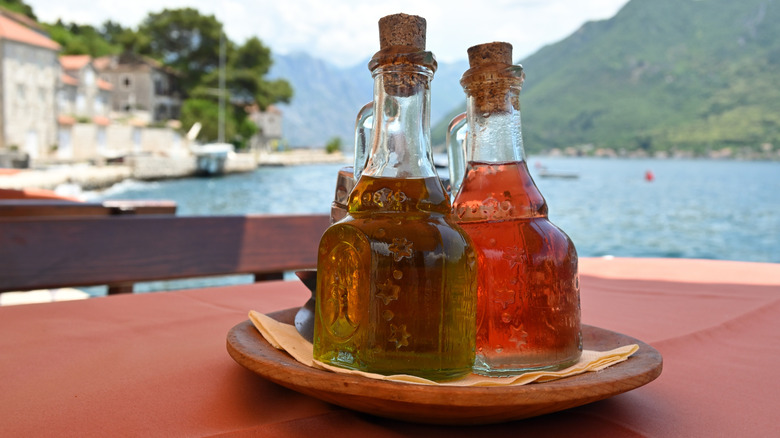
Olive oil can vary greatly in flavor, which essentially means that oils from different regions will suit different kinds of food. This largely explains why restaurants pick the perfect olive oil for every dish. However, when it comes to Montenegrin olive oil, its mild intensity and harmonious flavor profile are precisely what set it apart and make it particularly versatile. This is exactly why it fits into a variety of dishes, whether drizzled over a fresh Sopska salad, or simply poured over crusty bread and local cheeses like Njeguši or Pljevaljski Sir.
While Ana Radinovic is certain Montenegrin olive oil is best enjoyed raw, as with any superior quality oil, she stressed that it's also suitable for cooking. "It can certainly be used for cooking too, especially for salads, fish, or light sautéing, but some of its subtle flavors and beneficial compounds may be lost with heat," she elaborated. It also works well in soups, Italian or local pasta dishes such as Paštrovski makaruli, and alongside roasted meats, which Montenegrin cuisine heavily relies on.
Still, as with most things in life, there is a catch. The main drawback about Montenegrin olive oil is that, despite its premium quality, it's predominantly made for the domestic market and only exported in small quantities. Simply put, if you're now keen on trying authentic Montenegrin olive oil, you're most likely to find it locally. And who knows, maybe this is the perfect excuse for your next summer getaway.