

The Underappreciated Pantry Staple Your Spaghetti Is Begging For
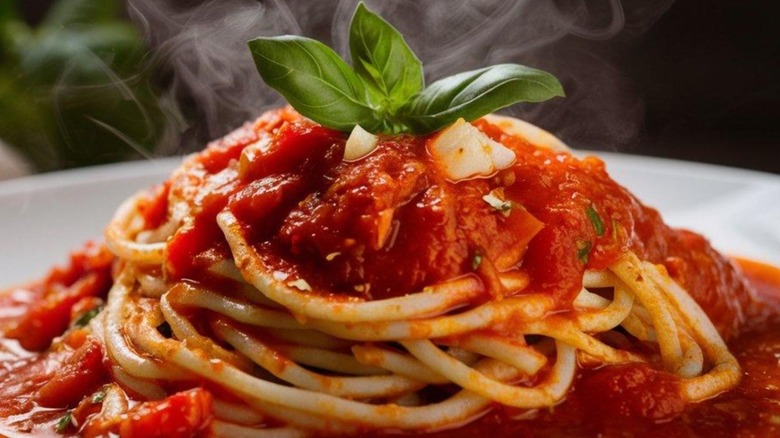
Where pasta is concerned, it's pretty hard to reinvent the wheel. In fact, even the most innovative of Italian chefs tend to keep things pretty simple and traditional — take Massimo Bottura, for example, who for all the joyful insanity of some of the cooking at his flagship restaurant, Osteria Francescana, tends towards classic pastas like tortellini in brodo, or passatelli. But what if you're getting bored with the weeknight routine of spaghetti in the pot, tomato sauce on the stove, and cheese on the top?
Well, one way might be to look back to the past. The modern Italian kitchen is not home to many spices — save for the glorious aniseed-y hit of fennel seed, it's rare to find much spice in the majority of Italian recipes. Rather, cooks choose to showcase the natural flavors of raw ingredients, with little in the way of intervention. In antiquity, though, the use of spices was common in Italian cooking, especially when making pasta, and while it may have fallen somewhat out of favor in the modern day, bringing some spice to your weeknight pasta dish might be just what it needs. Take, for example, nutmeg. This wintry tasting spice is a favorite of none other than Stanley Tucci, and is a delicious way to upgrade your spaghetti sauce. You can put it in just about anything, from ragu to a simple butter emulsion. Full of complexity, the nutmeg brings a subtly sweet, spicy aroma that's a wonderful accompaniment for any number of pasta sauces.
How can you use nutmeg in your pasta dishes
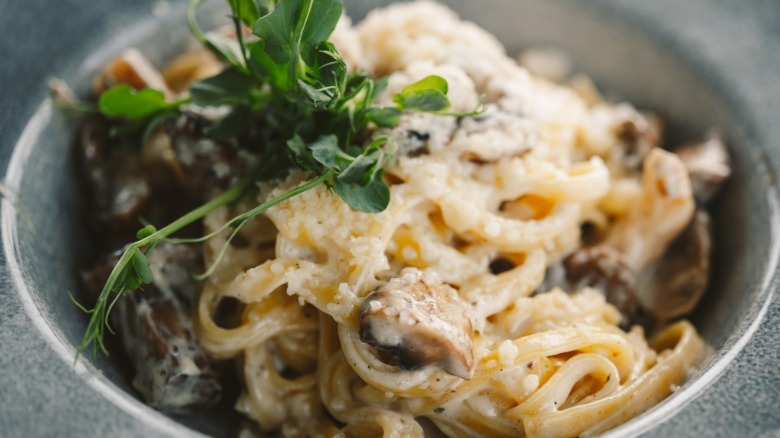
Nutmeg is a surprisingly versatile ingredient. Much like its close cousins in flavor, vanilla and bay, nutmeg adds more of a sensation of depth and general "spiciness" to dishes than it does a specific flavor. There are, of course, dishes where its inclusion is traditional — lasagna is likely the most famous. Here, the nutmeg is a crucial part of the béchamel sauce that makes up the white layers of a traditional lasagna. In Italian-American cooking, this sauce is often substituted for ricotta, which while delicious, lacks the rich depths of a classic béchamel. This mother sauce is made of a roux, let down with milk, and then hit with lashings of cheese and a generous grating of fresh nutmeg, which adds a luscious undertone of spice to the whole dish that brings it all together. It's a big part of what makes lasagna such a hearty, comforting plate of food. If you're set on making the Italian-American version, you can still get this effect — just grate your nutmeg into the ricotta mixture instead.
So, how does spaghetti come into all this? Well, there are plenty of opportunities to incorporate nutmeg into some classic spaghetti dishes. Pretty much any creamy, cheesy pasta (such as cacio e pepe) will benefit from the addition of a little nutty spice. Carbonara, pasta al forno, or a classic three-ingredient Alfredo sauce all work — just grate a pinch of fresh nutmeg in just as you're finishing your sauce. Don't use too much, though — nutmeg can taste bitter if it's too present on a plate!