

The Difference Between Dim Sum And Dumplings (And Why It Matters)
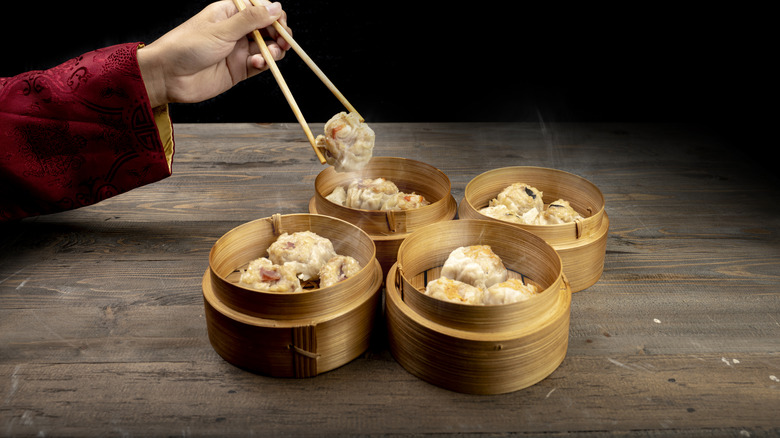
There's a common misconception when it comes to dim sum — ask most people what it is, and you'll likely get the same answer over and over: "Dumplings!" And, to an extent, that's true. Dumplings are indeed an essential part of dim sum — but they aren't the only part. Saying that dim sum and dumplings are one and the same is a little like saying that brunch is exclusively made up of eggs. In truth, dim sum is more of a category; a way of grouping small dishes traditionally served with tea in Cantonese cuisine.
Dumplings are a crucial part of dim sum, typically dough-based, filled varieties such as har gow and siu mai, stuffed with ground meat and shellfish. Then come iconic classics like xiao long bao, or soup dumplings. You'll also find varieties such as crystal dumplings, a gluten-free variety made with rice flour and tapioca, with a clear wrapper (as the name suggests) and often filled with dried mushrooms, pork, and chive for a true umami bomb. But there are so many more components to the traditional dim sum meal — think steamed buns and rice noodle rolls (known as cheung fun, filled with meat, fish, or vegetables).
Dim sum is a ritual, not just a meal, and an important part of Cantonese culture, so when eating in a restaurant, it certainly pays to know the difference! A traditional dim sum meal will include trolleys, tea, and sometimes dozens of dishes — perhaps more similar to an afternoon tea than the dumplings you're used to eating — and such a vibrant part of a culture's culinary history deserves more than to be branded as just one dish.
So, what should you expect when eating dim sum?
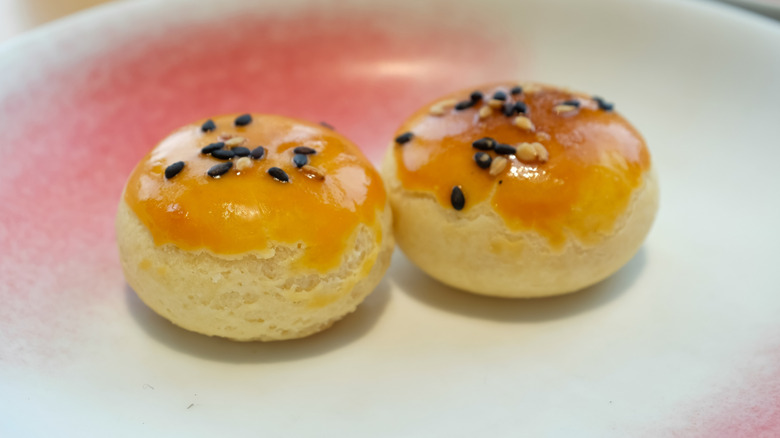
Dim sum is so much more than just a collection of dumplings — so what exactly should you expect when eating it? First and foremost, be prepared to share. You'll be eating lots of little dishes, which together paint a picture of some of Cantonese cuisine's most legendary flavors. Bao, for example, sit front and centre. You've probably come across them before: Steamed, fluffy, leavened buns filled with delicious braised meats and vegetables. Char siu (roasted pork) is an iconic filling, as is lotus paste for the vegetarians among us. You'll likely come across sweet buns too — egg custard bao are a dessert for the ages. Savory dishes like steamed spare ribs are also a common sight at the table, as are delicacies like chicken feet and turnip cake.
Baked goods are also a part of dim sum. Egg tarts are a Chinese classic, as well as layered pastries stuffed with meats like barbecue pork or even venison. You'll find various small plates, including fried items such as spring rolls and ham sui gok — chewy, crispy dumplings stuffed with deeply flavorful minced meat. Dim sum originated in teahouses along the Silk Road — and originally comprised of whatever small snacks happened to be on hand. So while dumplings are now an intrinsic part of yum cha — the Cantonese term for "drink tea" — the spirit of dim sum is in the variation of dishes on the table. It's also in the company — while you can eat dim sum alone, the true joy of it is in sharing dish after dish with friends.