

Why Hasty Pudding Is The Great Depression Dessert America Should Have Never Stopped Making
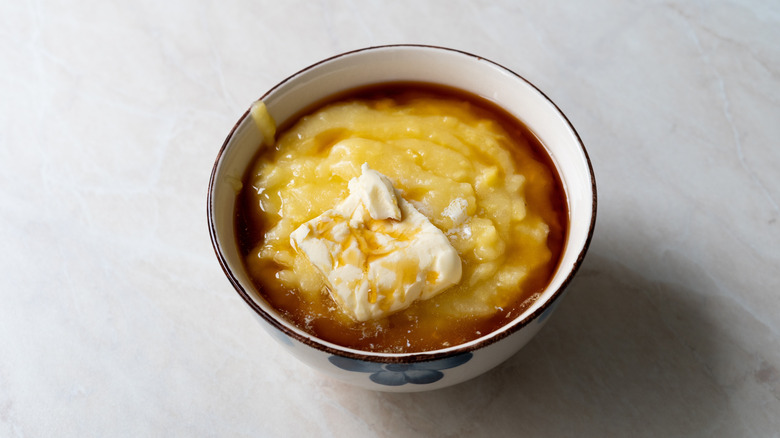
If you've never heard of hasty pudding, that's not particularly surprising. While this creamy and comforting dessert was once part of the U.S. culinary canon, it's mostly vanished from American cooks' repertoires. But what is it? Hasty pudding falls somewhere between a custard and a sweet porridge, made with some soul-warming spices and served hot. It evolved out of European porridge traditions, which made their way to North America. Early English colonists in New England adapted the dish by using cornmeal instead of wheat — a swap driven by what was cheap and abundant. As that adaptation took hold, hasty pudding developed into a sweet, slow-cooked mixture thickened with cornmeal and flavored with molasses, brown sugar, milk, eggs, ginger, and spices like nutmeg and cinnamon.
So, it's a seriously old dish, even making a cameo in the lyrics of "Yankee Doodle." Hasty pudding was also one of the fascinating foods served in the Great Depression, as cornmeal was inexpensive, filling, and shelf-stable, and families needed dishes that stretched ingredients. A notable popularity boost for the dessert came from first lady Eleanor Roosevelt, who served hasty pudding at the White House. This was arguably a way to appear in touch with average Americans by using modest, budget-friendly staples. President Theodore Roosevelt also loved the dish, which is why it's sometimes nicknamed "Teddy Roosevelt's pudding."
How to make hasty pudding
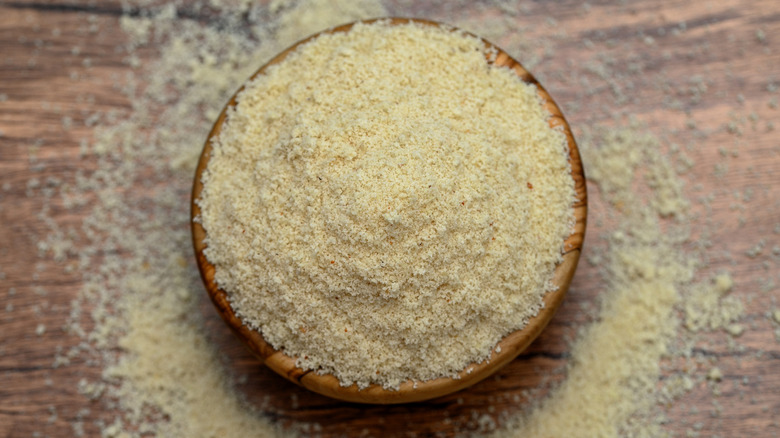
If you're hoping to bring hasty pudding back, then there's good news; It's pretty simple to make and can be made with pantry staples. To make it, cook cornmeal and slowly add in milk (or a milk-and-water mixture, although it might result in less flavor). But you'll need some patience as cornmeal needs time to soften and thicken as it's simmered on low stovetop heat. You can then add molasses or a substitute like maple syrup or brown sugar for a caramel note. Some recipes also include butter, eggs, and spices, while others fold in raisins or nuts.
The whole thing takes about an hour to make, which may have you wondering about the "hasty" part of the name. This is because back in the 1600s, this kind of porridge-like dish needed hours to cook, so with only around an hour of cooking time, hasty pudding was still a relatively speedy dish to make. While it's less common nowadays, hasty pudding may seem familiar because the New England dessert, Indian pudding — often served at Thanksgiving — is relatively similar. It's essentially a more elaborate, oven-baked descendant of early hasty pudding, thickened with the same cornmeal but enriched with more milk, spices, and baked slowly for deeper flavor.