

The Vintage Tool That Makes Veggies Fun To Eat
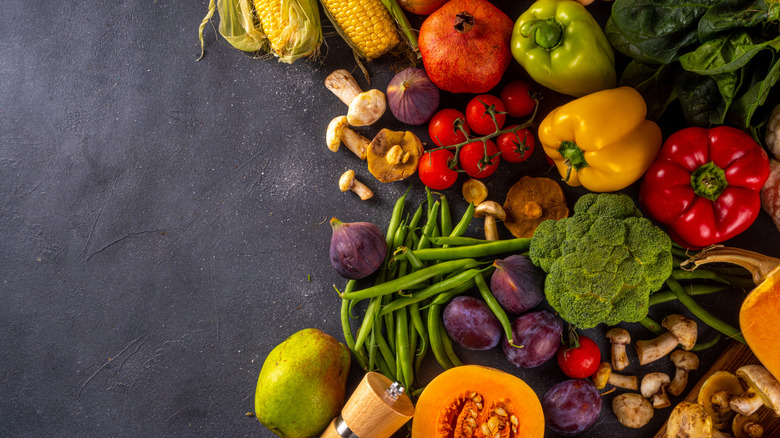
Something in the kitchen drawer always feels slightly out of place. Tongs make sense. Peelers make sense. Even the whisk with the bent loop tells a story. Then there is the odd relic that looks like it slipped in from a brighter decade when form mattered as much as function. It is shiny, ridged, and a little theatrical, like it once lived on a carnival cart next to striped popcorn bags. Yes we are talking about the crinkle cutter! It sits there with a corrugated blade that could roof a garden shed and a handle that sometimes hints at retro Bakelite glory. A vintage tool that elevates veggies with the swagger of an old entertainer who knows the applause will arrive right on cue.
The magic is in its waves. They grip, crunch, and catch light in a way flat slices never attempt. A carrot pushed through this blade stops being a carrot. It becomes a tiny structural beam waiting to carry french onion dips, dressings, and whatever sauce hopes to make an impression. The ridges add surface area in a way that feels slightly mischievous. More texture means more crunch. More crunch means the vegetables suddenly feel alive. A straight-cut cucumber is a cucumber. A crinkled one is a snack posing for its close up.
Veggie platters stand taller with these cuts, as if the produce trained for the spotlight. Even kids pause before grabbing, drawn in by the waves. Grooves cling to (smoked) paprika, salt, sumac, or whatever is sprinkled on top. A radish transforms into a small saw blade that refuses to slip. And all of this springs from a tool that asks only for steady pressure and a willingness to play.
How this retro blade transforms veggies
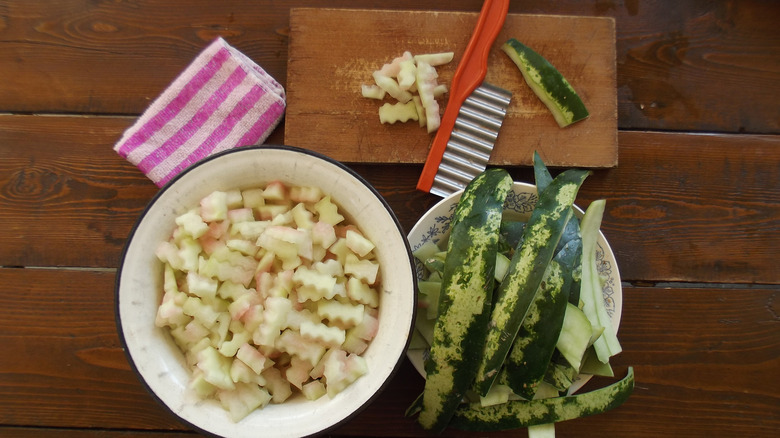
This vintage tool elevates veggies to a place where function and charm share the same seat. It even improves roasted vegetables. The ridges create more edges to brown, so every slice carries tiny pockets of caramelized flavor. There are some boundaries, though — but they are easy ones. Soft tomatoes collapse under the pressure. Onions release more sulfurous punch when the cell walls get torn in waves, so flat cuts serve them better. But everything else from apples to firm pears to sweet potatoes cheerfully submits to the cutter. The blade softens nothing. It only exposes more surface for heat or seasoning to work through, which is why roasted crinkle cut sweet potatoes taste deeper and toastier.
Modern versions of the tool show up in mandolines and processors, but the handheld type still delivers the greatest freedom. It can carve decorative edges for pickles, punch playful lines to improve the way you make your hard boiled eggs, or shape little zigzag coins that tumble into salads with a bit of swagger. The old cutter carries no digital features, but it changes the way vegetables behave on the plate. It is proof that sometimes the most vintage tool is the quickest way to make food feel awake again. And it does not need flash to elevate the ordinary. It only needs those stubborn ridges that turn vegetables into something you reach for instead of tolerate.