

How Long Does It Typically Take To Remodel A Kitchen?
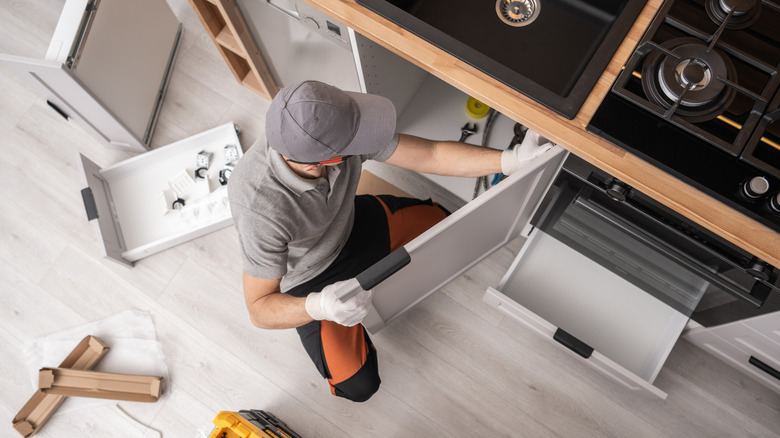
As nice as it might look with brand new light fixtures and a kitchen island, remodeling your kitchen is inconvenient. Having to go weeks or even months with little or no access to the place where you store food, cook, and maybe even make your DIY at-home coffee can make life challenging, not to mention expensive if you're replacing home-cooked meals with pricey takeout. So if you're dreaming of new countertops and deciding whether to buy a mini fridge in the interim, you're probably wondering how long your kitchen-less limbo will last. We (sort of) have the answer for you.
The exact length of a remodel will depend on the scope and complexity of the project. If you're fully redoing plumbing, electricity, and replacing your kitchen appliances, you might be without your precious kitchen for two to five months. But if your project is more of a face-lift, with aesthetic changes like new countertops or handles but no new structural elements, you could have your kitchen back within a few weeks. Keeping an open line of communication with your contractor is key. During the planning phase, they should give you an accurate estimate of how much time your vision will take to become a reality. Even so, it's important to keep your expectations flexible, since a small supply delay or installation mistake can set the project back.
Planning ahead for a smoother kitchen remodel
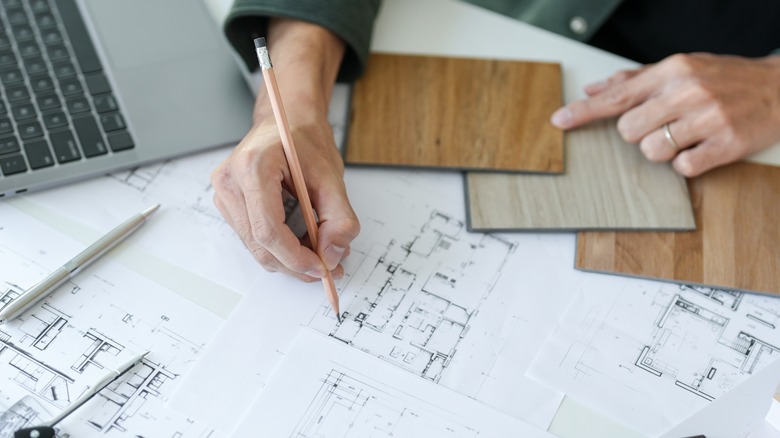
There are some factors in the remodel process that are simply outside of your control, and sometimes even outside the control of your contractor. That said, certain proactive decisions can help you save money on your kitchen renovation project and keep it on track. For instance, be realistic about the extent to which this renovation will disrupt your life. It's likely that the "entirely unusable kitchen" phase won't last for a full two or three months, but will be concentrated during several weeks in the middle of the process, so consider making plans to stay out of the house during the heaviest construction phase. Tailoring the construction schedule to work around your daily yoga or your kids' naptimes is reasonable, but the more time you block out, the slower construction will go.
Beyond that, the best way to make your contractors' lives easier is to make a plan and stick to it, including a realistic budget and specifications for the exact materials and appliances you want. Every change you make after construction begins slows down the remodel a little bit more, especially if it affects the measurements of the project. Remember: It's your kitchen, and you want to be sure that the money you're pouring into the project leads to the result you hoped for. So if changes feel important to you, speak up and voice your thoughts, but be prepared for an extra week of DoorDashing dinner.