

Why Aren't Fast Food Chains Open Late Anymore?
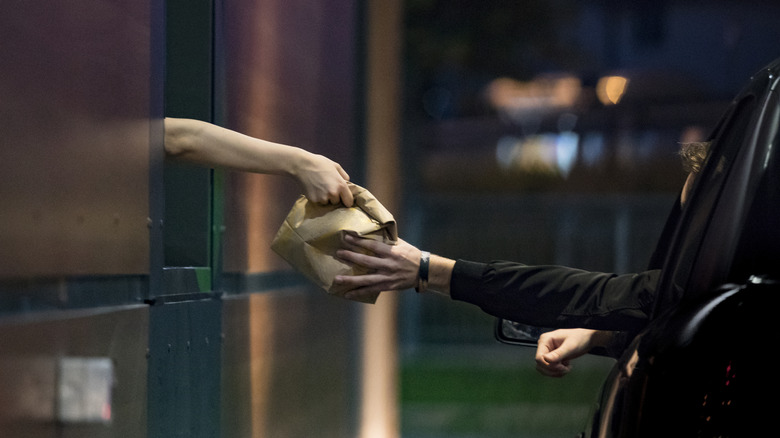
In the minds and memories of most Americans, fast food restaurants are all about cheap and convenient food that can be located as quickly as it is scoffed down. These days, hardly anyone eats their fast food meals at restaurants, which is just part of the shift in the restaurant scene. With this changing landscape, 24-hour dining is also becoming a thing of the past, and it comes down to several factors, including financial limitations, business demands, and changing attitudes toward eating fast food meals late.
Dining out late at your favorite fast food restaurant isn't always in the cards. Some diners have taken to a Reddit thread to question the seemingly unannounced nature of the change. Many comment that the 24-hour dining options in their hometowns actually close at around midnight or 3 a.m. at the latest. This is related to a few things, such as the rising cost of food and the wages needed to pay employees working late-night shifts.
Late-night shifts experience less traffic than daytime shifts, but there are often concerns regarding crime and safety. Some cities, such as Philadelphia, imposed restrictions on closing times with a $500 penalty for businesses that weren't compliant. The median hourly pay for fast food workers is almost $15 (per the BLS), which is outpaced by the average cost of living. Many employees, especially parents, may opt for the potentially safer and more convenient daylight shift.
How consumer habits affect dwindling late-night hours at fast food restaurants
Fast food chains are still an integral part of the restaurant scene in the country, with several U.S. fast food chain restaurants making billions annually. However, when the COVID-19 pandemic interrupted everyday routines and culinary outings, many restaurants adapted to reduced opening hours, which never entirely returned to usual once restrictions were lifted. The effects were felt with local fast food restaurants and larger chains alike. The pandemic also introduced more work-from-home schemes, which have led some workers to not travel as far out of residential areas for lunch, let alone all-night dining. The all-hours fast food dining culture isn't seen as the norm the way it was before the pandemic.
There is also less interest in drinking out late in the last few years, most likely due to the growing sober-curious movement and the decline in late-night club culture. With nightclubs being less active or closing down, there are fewer hungry party-goers searching for a sober-up fast food meal. Americans hitting the sack earlier may also play a huge role in the dwindling demand for late-night dining. Data from Civic Science shows that dinner times in the U.S. have gotten earlier, with an average dinner time of 5:53 p.m. It just seems that the 24-hour diner culture that once dominated eating schedules no longer reigns.