

What's The Difference Between Ancient Grains And Modern Ones?
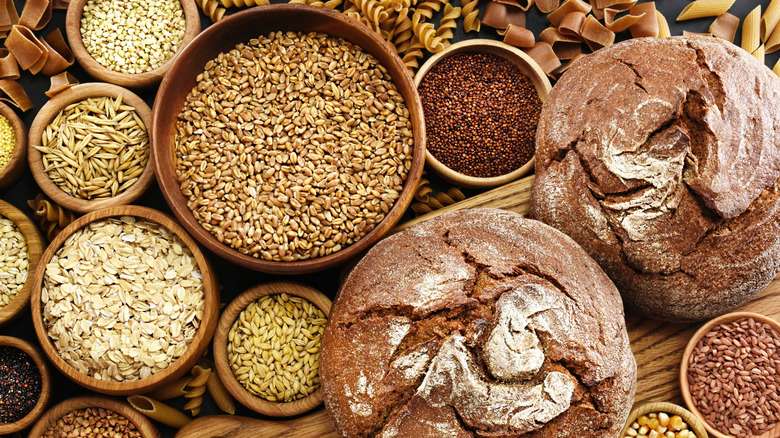
By this point, all of us have heard of ancient grains and how they're much more nutritious than refined grains, such as enriched wheat flour. However, two key questions remain: What the heck are they, and should we be eating them instead of modern grains? Turns out, the biggest difference between ancient grains and modern ones is that ancient grains have been cultivated just as they are for thousands of years. Many modern grains, on the other hand, have gone through selective pollination and hybridization to select for desirable traits such as better nutrition or digestibility.
Many ancient grains are also much hardier than their modern counterparts. For instance, buckwheat pancakes are a cornerstone of West Virginian cuisine because buckwheat is fairly drought-resistant and can thrive in soils and environments where modern wheat would fail. The same goes for grains such as sorghum, einkorn, and teff, which have remained the same for millennia. Their hardiness may be due to a lack of selective breeding that may have sacrificed hardiness for a higher crop yield.
Ancient grains also didn't require selective cultivation and hybridization to improve their nutritional value since they're generally packed to the brim with vitamins and minerals. They also deliver on protein; for example, 1 cup of cooked einkorn wheat berries clocks in at a whopping 18 grams. Modern grains also tend to be lower in calories than their ancient cousins, which can be beneficial for certain modern diets but a disadvantage for our more active ancestors.
Ancient or modern, whole grains are where it's at
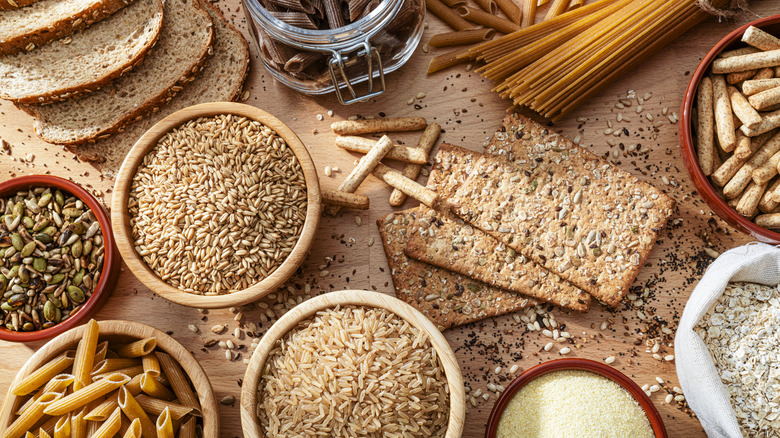
While enjoying dishes such as barley and walnut-stuffed bell peppers and millet-based hot cereal drizzled in honey is a great way to fortify your diet with additional fiber and nutrients, that doesn't mean you have to eschew modern grains. The ordinary rolled oats we enjoy in brown sugar and cinnamon oatmeal still pack a nutritional punch with 10 grams of protein per cup, along with magnesium, thiamin, and selenium. Wild rice offers similar nutritional benefits with about 7 grams of protein per cup, along with manganese, zinc, and vitamin B6.
In fact, since whole grains (both ancient and modern) offer such a wide range of dietary benefits, it's probably best to mix and match them rather than sticking with one or the other. The key is to stick with whole grains (again, both ancient and modern) rather than refined ones, which have had the germ and bran removed — which is also where most grains' nutritional value is located. So, it's not a matter of whether quinoa is better for you than modern brown rice, but that both are better for you than instant rice or enriched pasta made with white flour.
If you'd like to incorporate more whole grains into your meals but aren't sure where to start, amaranth is an affordable, protein-rich ancient grain that makes a hearty hot cereal that's delicious with whole berries. Its nutty, delicious flavor can also skew savory as a polenta-like side for roasted chicken, fish, or pork.