

What Makes Jidori Chicken The Coveted Wagyu Of Poultry
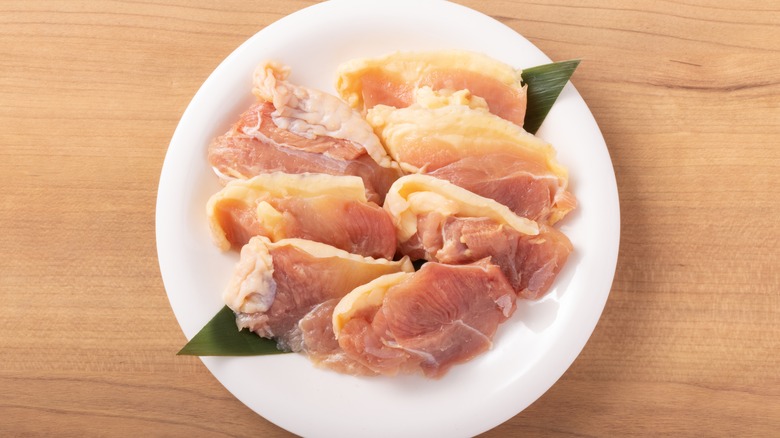
Forget everything you know about chicken that tastes like chicken, because Japan's Jidori bird makes poultry from the grocery store or supermarket seem like something from another planet. This is not an overbred, pale broiler from a discount freezer. Jidori chicken is often called the wagyu beef of the coop, as it is raised with care, revered by chefs, and eaten with a kind of silence that borders on awe. The name means "local chicken," but that plain description hides the devotion behind it. These birds are free range, fed on pristine grains, and live without stress on quiet farms where every detail matters. Less than 1% of chickens in Japan ever qualify as true Jidori, which makes them a rare prize.
Unlike the watery chicken most of us grew up eating, Jidori carries muscle and flavor. Its flesh is firm yet tender, with a clean depth that does not need marinades or gravy to perform. It tastes of its own life. Sun, earth, and feed all in balance. In Tokyo's small alley restaurants, chefs treat it with restraint rather than flash. Grilled thighs seasoned with salt, clear broth simmered from bones, and golden karaage that leaves no trace of grease. One bite of it tells you everything you need to know about attention and patience. There is no glamor here, only excellence that has been quietly perfected. Jidori earns its place beside that expensive wagyu beef because both share a truth about food: Real luxury begins with care.
Why Jidori tastes like chicken that discovered its purpose
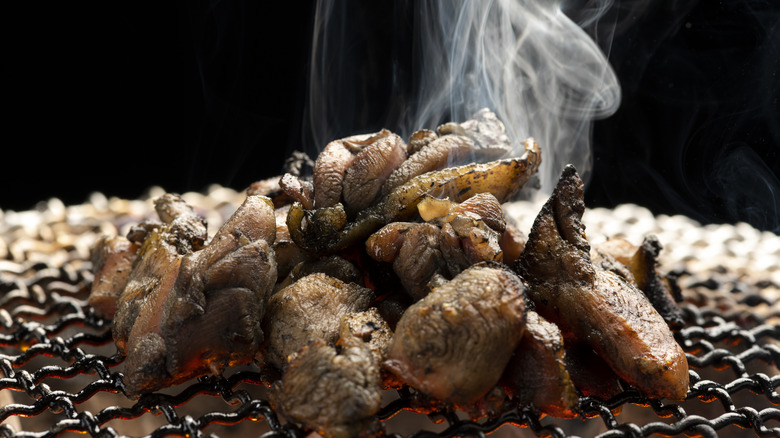
The secret behind Jidori lies in its ancestry and upbringing. Many Jidori chickens come from the Shamo game fowl, known for flavor and strength, crossed with Barred Plymouth Rock hens that bring tenderness. They grow in wide open spaces, breathing fresh air, eating balanced grains, and living lives free of cages. Their farmers are obsessive about the small things — how the feed smells, how the light filters into the coop, how calm the birds remain through the day. Every detail adds to the flavor that feels deliberate rather than accidental.
In restaurants in Tokyo, diners experience this care on the plate. A grilled thigh, touched only with sea salt, speaks louder than sauces. The flesh hums with umami and a kind of brightness that lingers. Fried wings are crisp, almost buttery, with a quiet heat from mild chili. Even the popular chicken nanban, with its tart and egg-rich sauce, tastes deeper when made from Jidori meat. It reminds you that good food does not shout but whispers until you listen. Jidori chicken in also available in select high-end fine dining restaurants across the United States, where chefs import these prized birds to bring a taste of Japan's coop-cultivation pedigree to American plates. So the nutshell is that Jidori chicken deserves celebration. People often save wagyu for anniversaries and sushi for special occasions, but Jidori deserves similar, if not the same, respect. One bite and the point becomes clear. Jidori is not trying to imitate wagyu. It simply shares a similar philosophy. When flavor comes from patience and purpose, it needs no explanation.