

What To Know Before Putting Your Dutch Oven In The Oven
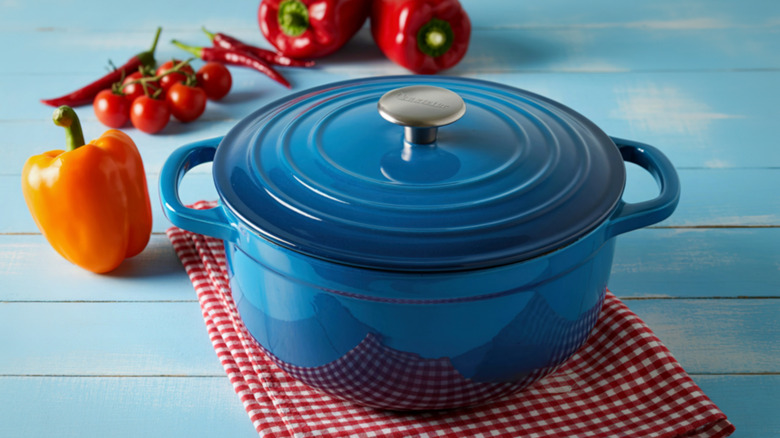
There is a certain thrill in sliding a Dutch oven into a hot oven. It feels like a dare. That heavy iron pot looks rugged enough to survive a volcano, and sometimes the instinct is to crank the heat and let fate sort things out. Yet even the toughest Dutch ovens have rules. The main thing to know is what kind of Dutch oven is sitting on your stove. Bare cast iron Dutch ovens are usually safe at high heat because they are made to handle open flame and oven roasting, but they need proper seasoning so that the surface develops a natural nonstick layer through baked-on fats. Enamel-coated Dutch ovens are more common for home cooks and they handle heat well, but most are safe up to about 450 degrees Fahrenheit depending on the manufacturer.
The part that catches people off guard is not the pot itself but the lid. Many Dutch oven lids have knobs made of composite materials that soften or warp if the temperature climbs too high. Some brands specifically note that their standard knobs are only safe up to 390 degrees Fahrenheit, though they often sell stainless steel replacement knobs that handle hotter temperatures without complaint. Before heating your Dutch oven in the oven, it helps to look underneath the lid for engraving or heat limits. This will save heartbreak later.
Heating your Dutch oven and caring for it after cooking
Once the material and heat limits are sorted, the next thing to consider is how you plan to heat that Dutch oven. Cast iron does not love sudden changes in temperature. Dropping a cold Dutch oven into a blazing (think 500 degrees Fahrenheit) oven can cause thermal shock, which might damage enamel or even cause cracking in extreme cases. Let the pot warm gradually with the oven instead. This is slower, but it protects that sturdy investment from a dramatic and very avoidable end. The same idea applies to liquids. Adding cold stock to a screaming hot Dutch oven on the stovetop (especially if it is empty) might cause stress fractures over time, especially if done repeatedly.
There is also the matter of cleaning after oven use. Scrubbing too hard with abrasive pads can damage enamel. Warm water, patience, and a wooden spoon usually do the job. For stubborn spots, many enamel-makers recommend simmering a mixture of water and baking soda in the pot to coax the residue loose.
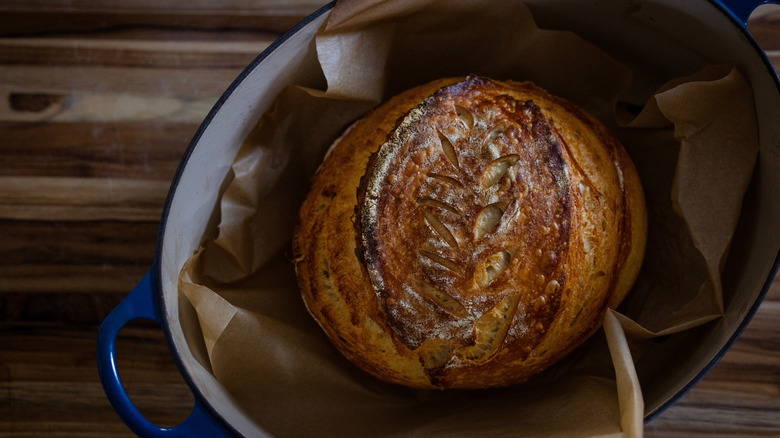
The Dutch oven is a dependable workhorse when treated with respect. It can handle slow braises that melt tough cuts into velvet, like short ribs tucked under a blanket of onions, and it can replace your slow cooker for baked beans that grow deeper and richer as they sit in steady heat. It can cradle a whole chicken for roasting, keeping the meat moist while building a burnished skin. So check its limits, heat it slowly, be gentle during cleanup, and it will reward every roast, braise, stew, and loaf of bread with steady, quiet excellence.