

How To Get Caviar On A Budget
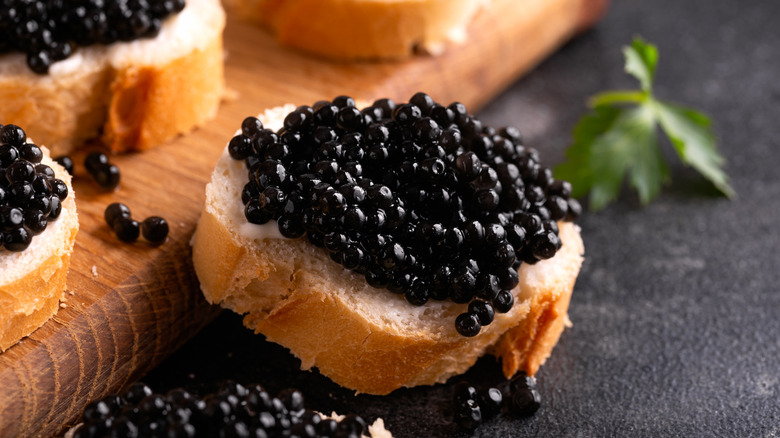
It's strange to think of caviar as a luxury food item when you remember that it's basically just unfertilized fish eggs. As a matter of fact, caviar was peasant food back in the 12th century and used to cost about as much as butter. But then, in the 19th century, its buttery, salty, and sometimes delicately sweet and nutty flavor caught the attention of European chefs and the aristocracy, and the rest became history. Fast forward to today, and caviar has become one of the most expensive foods ever. And here's another fun detail: the world's most expensive caviar can cost over $10,000.
So, to sum it all up, finding affordable and tasty caviar that won't cost you a kidney is pretty tough these days. However, Antelmo Ambrosio, executive chef at Merchants Hospitality, revealed in an exclusive chat with Chowhound that when it comes to buying caviar on a budget, your best bet isn't the supermarket aisle but rather the internet. "Online sellers often offer better prices due to the lower overhead and direct sourcing," Ambrosio told us. "Local fish markets also carry affordable caviar options."
When it comes to the Big Apple, he recommended Aqua Best in Lower Manhattan and Lobster Place at Chelsea Market as some of the best spots to find quality caviar at a decent price. He also mentioned several budget-friendly caviar options that are worth trying. "American hackleback, paddlefish, and bowfin caviar are among the most affordable options," Ambrosio elaborated.
How to shop smart for decent caviar without spending too much
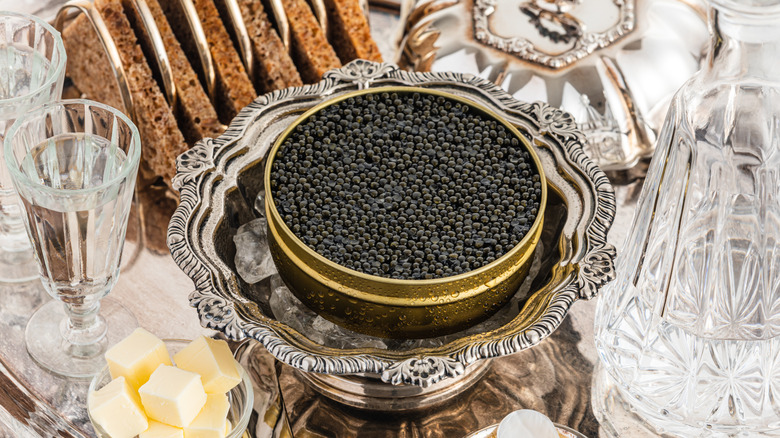
Caviar is the ultimate topping that can boost your oyster experience into the bougiest realm possible, but that's only if you know what you're actually buying. That is why to find the best budget-friendly caviar on the shelves, Antelmo Ambrosio advised paying close attention to a few important quality indicators on the tin. He emphasized that shoppers should first check the species' name on the packaging to get a better idea about what they're purchasing. For example, Acipenser Baerii denotes Siberian sturgeon, he explained.
According to the executive chef, the caviar's grade is another important clue that shouldn't be overlooked. Caviar can be sourced from a number of sturgeon species: Beluga, Osetra, Sevruga, and Kaluga are common types. Each type is divided into two grades (Grade 1 and 2) depending on qualities such as egg size, maturity, firmness, and color. Grade 1 is considered the premium standard, made up of large, uniform, and delicate eggs with vibrant silver-gray to platinum color and refined buttery and creamy flavor. While still enjoyable, Grade 2 has a slightly lower quality than Grade 1.
"For budget shopping, Grade 2 or standard caviar may be sufficient," Ambrosio pointed out. He then explained that a medium-firm texture is optimal, along with the word "malossol" (which means low salt) on the packaging. This is a general indicator of higher quality, as the lower salinity allows the caviar's natural flavors to shine through. "Pasteurized caviar is cheaper and lasts longer than fresh caviar but may have a less delicate flavor," he added.
Never compromise on freshness when it comes to caviar
If you're new to caviar, this beginner's guide to the delicacy will show you how to eat it properly. Still, even if your budget limits the characteristics you can be picky about when shopping for caviar, Antelmo Ambrosio emphasized that there are quality markers which are musts. "Don't compromise on freshness [or] species transparency, and make sure you purchase from a reputable supplier," he said.
On the other hand, there are certain traits that you can be flexible about. "You can compromise on egg size or color consistency, and sturgeon species ..." he continued, and added that there's always the option of choosing a different type of roe that offers a similar taste to caviar (such as lumpfish roe), but is much easier on the wallet. For clarity, while all caviar is considered roe, not all roe qualifies as caviar. This is because real caviar is only from sturgeon eggs.
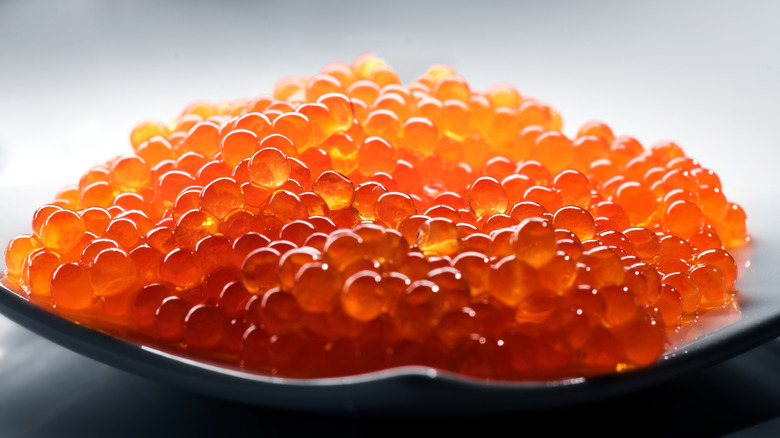
"Consider salmon roe, which is bold, briny, and much more affordable," Ambrosio suggested. There's also trout roe, which Ambrosio describes as smaller than salmon roe, with a milder taste. And for those who would prefer a bit more texture and a crisp finish, he proposed one more option, concluding, "Whitefish roe is mild, crunchy, and often dyed for presentation." Ultimately, if none of the listed alternatives are available in your area, you can also go for other options, like roe from vendace, herring, tobiko (flying fish), or even plant-based caviar made from seaweed such as kelp.