

Better Canned Wine Starts With This Easy Step (Never Skip It!)
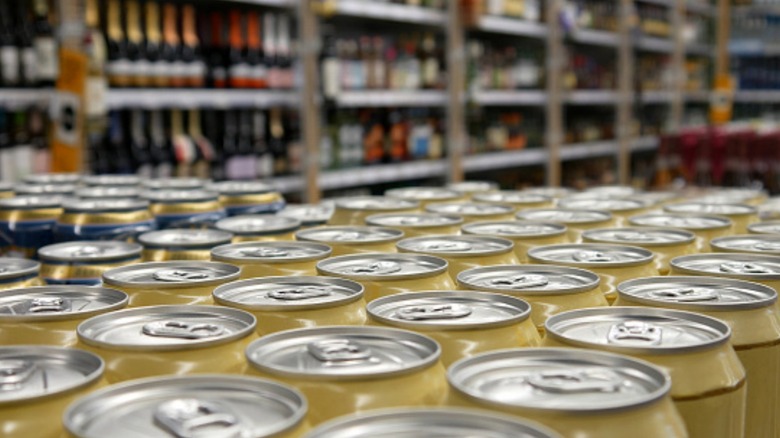
Once assumed to be reserved for beer and sodas, canned wines are now one of the biggest rising trends in the wine industry. This packaging method is rising in popularity due to its sustainability and convenience – no corkscrew needed. And for those who are already big fans of fermented grape goodness, you may not realize you could be better enjoying your canned wine with one crucial step. Surprisingly, it comes down to chilling your cans before serving in a separate glass.
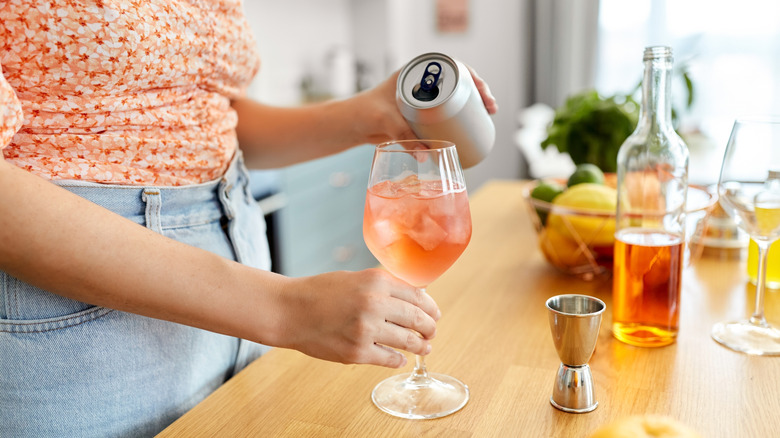
In order to break this down, Chowhound spoke with Helena Nicklin, a drinks writer, broadcaster, and founder of HelenaSips Wine Academy. "Given a can's portability and the occasions where you would have it, sometimes drinking wine straight from [the can] is the only option," she exclusively told us. "Honestly though, it will taste so much better if you pour it into something first, even a small plastic cup! It is wine after all, which needs a good swirl and contact with oxygen to open up aromas and flavors."
You may not realize that this low-oxygen packaging is actually part of the scientific reason that canned wine can smell like rotten eggs. Not to worry though — when poured into a separate glass, your beverage will release the unpleasant sulfuric scent. Though, before you start pouring your wine, Nicklin recommends giving it some time in the fridge. "Most also fare better with a slight chill — even the reds," she said. "Just don't go too cold, or [the wine] won't taste of anything."
The way you store your cans is important
Excessive heat and light can damage the quality of your wine, regardless of packaging. "As with all wine, warm cupboards and windowsills should be avoided as [it] will lose freshness and spoil much more quickly," said Helena Nicklin. Fluctuating extreme heat or cold could affect the lifespan and flavors of your beverage. "Best practice is upright in a cool, dark place. A fridge is ideal," she said. Though if you're in a rush, try popping your cans in the freezer for a quick 10 minutes or so.
While cans fare well in the fridge, only short-term storage is acceptable for bottles. Extended time in the fridge can negatively impact the cork, causing it to shrink and allow oxygen to seep in. This can lead to corked wine, which isn't a risk with cans due to their airtight packaging. Though canned wines last longer than you may expect, "cans will not get better with age," Nicklin said. "In fact, they can go downhill pretty quickly — so drink up!"
When it comes to bottles, you can sometimes tell if your wine has gone bad from appearances alone. Considering that cans are opaque, there are alternative ways to tell if your wine has spoiled, once opened. Unexpected smell, strange color (after being poured), and off taste might be signs that your canned beverage could be on its way to turning into vinegar – which could leave you wondering how long canned wine really lasts. Overall longevity is not only affected by storage methods, but by brand, grape varietal, and producer as well.