

What's The Difference Between Aluminum And Tin Foil?
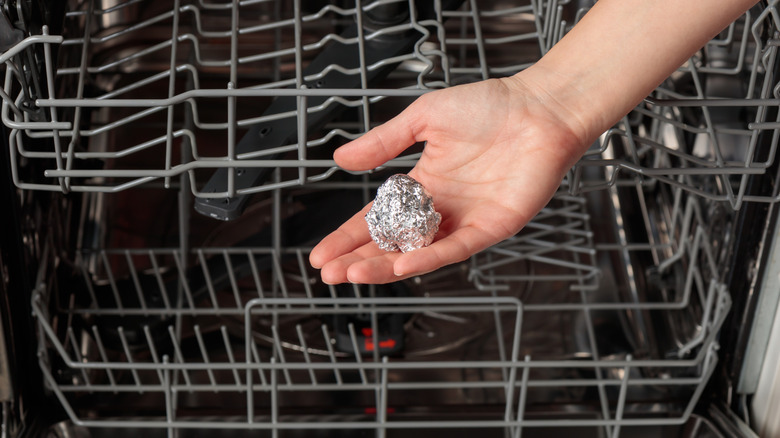
Once upon a kitchen drawer, tin foil was king. It wrapped leftovers, lined ovens, and sculpted questionable school art projects. Then aluminum arrived, shinier, lighter, and infinitely less likely to make your chicken taste like a penny. Yet the name "tin foil" stuck around, passed down like an inherited superstition. The truth is, tin foil is practically extinct and was used for packaging only until the early 20th century. What people now buy, crinkle, and curse when it tears is aluminum foil. Scientists realized that tin had a bad habit of leaching a metallic tang into food. Aluminum was cheaper, cleaner, and more pliable. It won the kitchen wars.
Tin foil belonged to a different era, one of ration books and radio crackle. It was stiffer, duller, and gave meat a faintly medicinal aftertaste. Aluminum foil, on the other hand, bends like a dream. It hugs a casserole dish, holds heat like a secret, and makes the sound of possibility when unrolled. The name confusion survives because humans cling to nostalgia. "Tin foil" sounds vintage, like something your grandmother might have wrapped a tomato sandwich in before heading to the factory. Aluminum foil sounds sterile, industrial, too modern to carry that same domestic charm. So the old name lingers, ghostlike, in our kitchens and conversations. It's not wrong exactly. It's just outdated, like calling your fridge an icebox.
Shiny on one side, science on the other
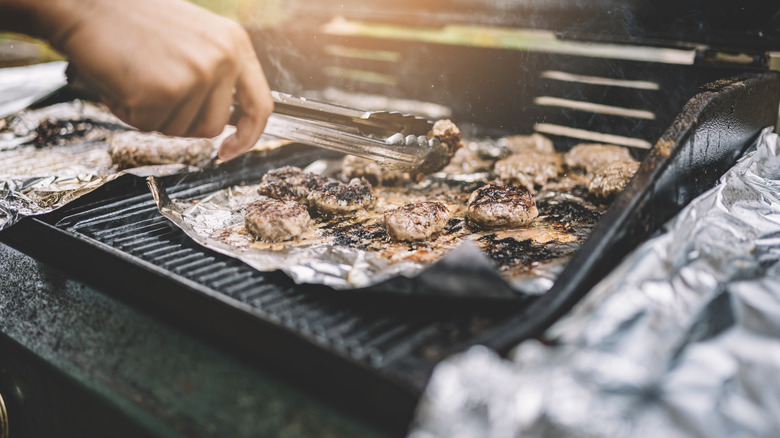
The difference between tin and aluminum foil is not just a trivia question for pedants. It tells a story about how technology sneaks into our kitchens and changes habits without asking permission. Aluminum foil is made from sheets of metal rolled so thin that light cannot pass through, then pressed to a mirror finish on one side while the other stays matte. That shiny versus dull mystery? It's not about cooking performance, but manufacturing. Two sheets are rolled together to prevent tearing, which leaves one side polished and the other textured. Both sides conduct heat exactly the same, though the shiny side does make food look more glamorous under bad lighting. Tin foil could not compete with that. It was thicker, less malleable, and far more expensive to produce. It dented instead of folded and left a metallic tang that no marinade could fix.
So aluminum foil's rise seemed like a hack. It was like replacing an old horse with a sports car. It revolutionized everything from popular frozen meals to spacecraft insulation. And yet, despite aluminum's victory lap, the old name refuses to die. Every generation still has one person yelling "pass me the tin foil" while reaching for a roll that has not seen actual tin in years. That persistence is oddly poetic. It reminds us that language, like foil itself, crinkles and bends but never quite tears apart from its past.