

Laura Ingalls Wilder's Little House On The Prairie Cookies Are Perfect For Fall Thanks To One Ingredient
We may receive a commission on purchases made from links.
For many, Laura Ingalls Wilder's "Little House" books (which inspired the 1970s TV series "Little House on the Prairie") represent the importance of family, making do with what's available, and enjoying the little things. One of those little things that the Ingalls family savored was a simple prairie meal, and that included dessert. Wilder learned to cook from her "Ma," Caroline Ingalls, and probably picked up dishes such as ice cream made from snow from her. Perhaps she even got the recipe for her cookie that is perfect for fall (and pretty simple to make) thanks to one of its key ingredients: molasses.
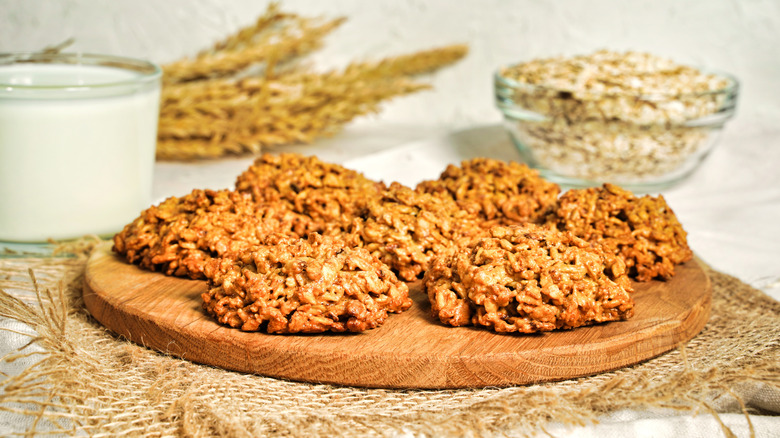
Molasses and fall desserts are the perfect pairing. The thick, sweet, richly complex syrup adds depth of flavor to dishes and complements baking spices. This is true for Wilder's molasses cookies, which combine molasses with allspice, nutmeg, and ground cloves for a warm and aromatic treat. These cookies came directly from Wilder's own recipes and those she collected from family and friends around the 1930s, as found in "The Laura Ingalls Wilder Country Cookbook." The recipe for these rolled-oat-based cookies also includes some other surprises, such as shredded coconut and orange zest, but molasses remains the star.
What molasses adds to cookies
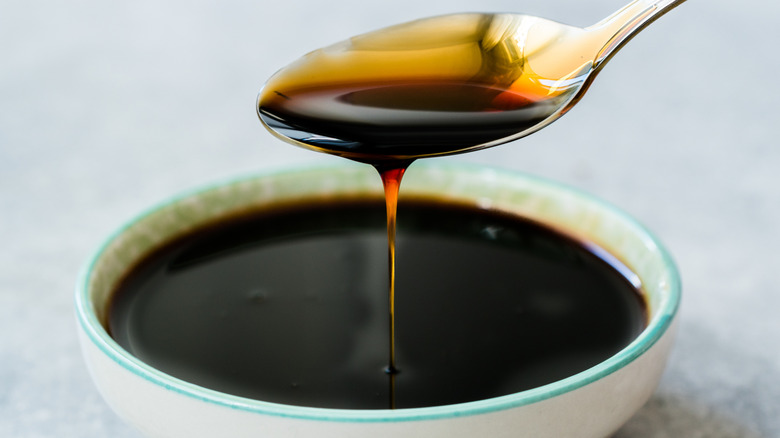
Molasses and dessert have a long history in the United States dating back to the 18th century. The syrup is a byproduct of sugar making and first came to America from the West Indies for use in rum production. It became the go-to sweetener for cooking in the 18th and 19th centuries since it was cheaper than granulated sugar. While today it is sometimes seen as an old fashioned ingredient, Laura Ingalls Wilder and other cooks of her era used it to great effect in their baking.
Wilder's molasses cookies have been described as soft, chewy, and tender, and that's mostly thanks to the molasses (molasses prevents oatmeal cookies from becoming cakey by adding moisture). It's interesting to note that, while these cookies may have had their roots in Wilder's childhood growing up on the prairies and woods of the Midwest in the 19th century, the inclusion of shredded coconut and orange zest were likely later additions. Both coconuts and oranges would have been expensive and somewhat rare ingredients, and probably wouldn't have been found in Ma Ingalls' kitchen. Still, these cookies hark back to an earlier time. And, unlike some old fashioned desserts such as cucumber ice cream, this cookie recipe is still attuned enough to modern tastes to pass muster with most folks.