

Maximize Garden Sunlight Exposure In Cold Months With A Foil Trick
We may receive a commission on purchases made from links.
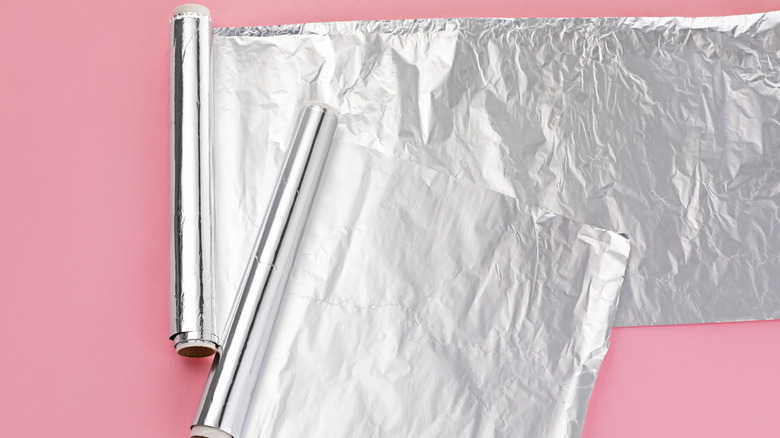
As you likely learned in elementary school, there are a few things plants need to thrive: water, good soil, and, of course, sunlight. Two of those — water and soil — are somewhat within the gardener's control to modify for the good of the plant, but when you've started a beginner vegetable garden on a whim in the dead of winter, you'll quickly discover that bending the laws of nature to ensure your lettuce seedlings and snap peas get enough sunlight isn't exactly easy. But don't mourn your new sprouts just yet: There is one hack you can use to maximise sunlight exposure even in cold months, and there's a good chance that you have everything you need for it already stored in your kitchen cupboard. The magical solution? Reflective surfaces, like aluminum foil (or even mirrors).
These surfaces can redirect sunlight from wherever it's landing to where your plants are growing. If your plants are struggling to catch rays because they're tucked away in a dark corner, or because a tall garden fence is blocking the sun, hanging long strips of aluminum on the fence or on a nearby wall can, in effect, harness the sunshine overhead, directing it toward where you want it to be. Of course, some of this extra effort can be avoided if you consider sunlight exposure when you're initially arranging your vegetable garden layout plan. An added bonus? The reflective look of shiny foil blowing in the breeze does a great job at deterring birds from landing near and munching on your garden.
Practical advice for getting the sunlight where you need it
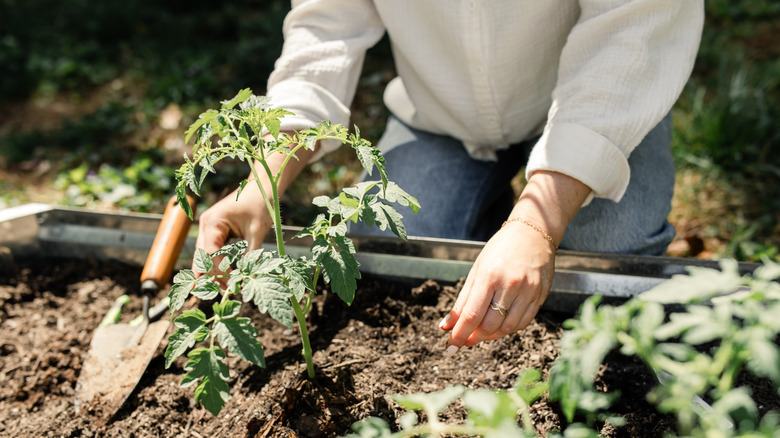
On the surface, this hack is pretty simple, but when you reflect on it further, a lot of questions might start to pop up in your mind. How should you hang up the tin foil? Does the concentrated reflection have the potential to start a fire in your garden? And if your seedlings are still small, how can you ensure that the reflective surface is arranged properly to hit them? Let's start at the beginning: Your hanging method will depend on the set up you have, but if you want to attach the foil directly to your fence, duct tape is always a solid contender. Otherwise, you could try hanging it on a trellis closer to your garden box. There are also tools like Mylar film — such as Vivosun Mylar film – that are specially made for use by gardeners, and can be stuck to walls for easier use.
If you're just getting your garden started, you can use the same tools in a different manner, using Mylar film or aluminum foil to help start your seeds smarter. Essentially, rather than directing light broadly in the direction of your small seedlings, you can give them extra support by making them temporary tinfoil pots to sit in, creating a sunshine-driven incubator that will reflect light onto your burgeoning plants from every angle. When it comes to fire risk, make an effort to regularly clear dead leaves or pine needles from around your garden box, and consider taking down the foil in the summer months when your growing greenery already has plenty of sunlight at its disposal, and the risk of a fire sparking is higher.