

Early Vs Late Season Olive Oil: Which Is Best For Sweets?
We may receive a commission on purchases made from links.
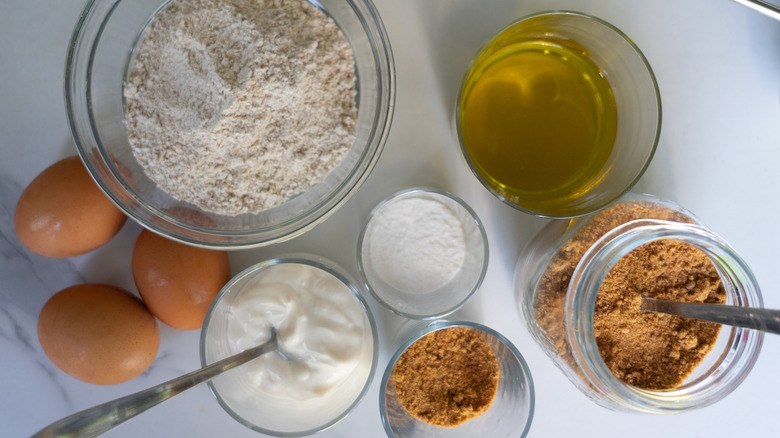
Making sweet dishes such as cakes, pastries, cookies, and even frozen treats is often accomplished with the help of butter, vegetable oil, or margarine. However, baking with olive oil is a wonderfully flavorful option if you know what kind to use. We reached out to Eric Dorval, chef and owner of V Gelato & Cafe, and Kat Buckley, UK-based blogger at The Baking Explorer and author of "Bakes that Break the Internet," who both spoke exclusively with Chowhound to discuss the best olive oil for making sweet foods.
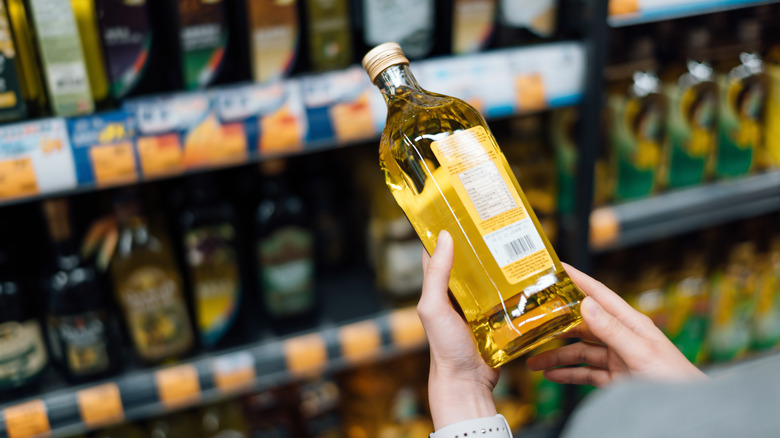
When you bake sweet dishes, there is one outstanding quality to look for when choosing olive oil. "For baking, look for an extra virgin olive oil that's fresh, balanced, and not overly bitter or peppery," gelato maestro and pastry chef Eric Dorval suggested, explaining that "late-harvest oils from riper olives tend to be softer, rounder, and fruitier, which makes them much better for baking, especially when it comes to sweet recipes." In addition, Kat Buckley suggested that "unless you are looking for a strong olive oil flavor in your sweets, then a mellower option is a better choice so that it does not overpower the other flavors."
To judge the characteristics of your olive oil, consider using the criteria and methods professionals use to taste-test olive oil, such as smell, overall taste, and discerning specific bottling information. "Always taste it before you use it. If it's sweeter or milder, use it for sweet baking; if it's more peppery and grassy, use it for savory," Dorval suggested.
Exploring additional uses for olive oil
In contrast to late-harvest olive oils, "early-harvest oils, picked when the olives are still green, tend to be more intense, grassy, and peppery," Eric Dorval said. Early-harvest olive oils are better candidates for savory baking, pairing well with its traditional accompaniments. "For savory baking like focaccia or savory tarts, you go for a more robust oil with peppery or herby notes, since those flavors pair great with salt, cheese, and other savory foods," Dorval explained.
To adjust the flavor of your recipes, choose an olive oil with tasting notes that are fruity, buttery, or strong, depending on your preference. If you need help choosing an olive oil, check out our guide to buying olive oil to learn about characteristics to look for when making your purchase.
You may wonder about other olive oil uses, such as adding it to frozen treats like ice cream. Olive oil is one of the interesting topping flavors trending for ice cream, like balsamic vinegar and chili crisp, and is also used as an ingredient. If you make homemade ice cream, adding olive oil to your mixture of eggs, sugar, cream, and other ingredients before churning contributes a fruity and buttery dimension. When choosing an olive oil to make homemade ice cream, Kat Buckley notes that "extra virgin olive oil is the best choice when making olive oil ice cream at home. Go for the best quality you can that fits within your budget, and aim for an olive oil that has a fruity flavor palate, as this will complement the ice cream best."