

This Vintage Sandwich Spread Is Salty, Savory And Deserving Of A Comeback
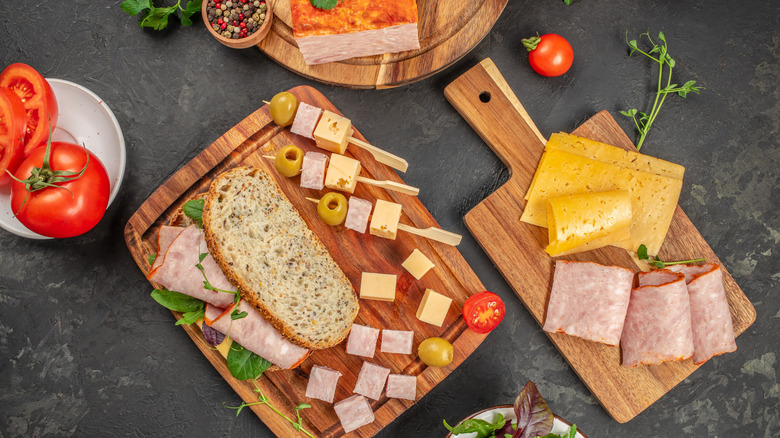
Before the internet-favorite avocado toast invaded brunch menus and aioli became a lifestyle choice, there was this creamy, salty, unapologetically bold spread. It sat proudly in church basements, Southern luncheons, and lunchboxes wrapped in wax paper: ham salad.
The recipe was not fancy: chopped leftover ham, a touch of mayo, a hint of mustard, and sometimes a pickle or a hard boiled egg if one was feeling indulgent. Yet it carried the swagger of something that knew exactly what it was, a celebration of thrift and flavor. Ham salad was not born to impress, but to feed.
In the world of "vintage" foods, this one is criminally underrated. It's a little rough, a little salty, and completely addictive. The charm lies in its simplicity. Ham salad is a way of giving new life to scraps, of turning the remnants of Sunday dinner into something worth waking up for on Monday. It hits every sensory button: meaty, tangy, creamy, and unapologetically nostalgic. The scent alone can pull a person straight into their grandmother's kitchen, where the hum of a blender or a food processor was the soundtrack of ingenuity. Forget the overhyped deli meats or gourmet condiments; this spread is the real working-class hero of the sandwich world.
The secret to magic lies in the mix
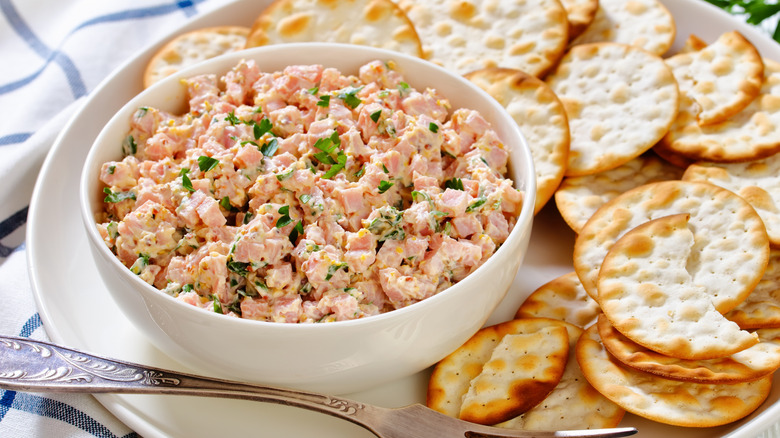
The best ham salad is not about the ham but about balance — the perfect conversation between salty meat, creamy dressing, and tangy bits that punch through like a brass section in a jazz band. Some cooks swear by adding pickle relish, while others go rogue with hard-boiled eggs or pimentos. A spoonful of pepperoncini brine gives it the right kind of chaos, as well. The spread should never feel polite. It must have texture, salt, and enough bite to make white bread seem like an adventure.
Modern cooks may try to dress it up with artisanal mustard or prosciutto ends, but the spirit of ham salad resists pretense. It belongs to picnic tables, potlucks, and refrigerator raids after midnight. It tastes better when made from leftovers and eaten standing over the sink. It is imperfect, comforting, and deeply human. Every bite tells a story of kitchens that did not waste, of cooks who knew that flavor came from resourcefulness, not reinvention.
Ham salad deserves its comeback, not out of nostalgia but because it never stopped being good. It just waited patiently, tucked between casseroles and jello molds. It only needs a fork, a cracker, and someone hungry enough to appreciate a spread that once ruled the table.