

Stop Ruining Your Steak Crust With This Common Resting Mistake Everyone Makes
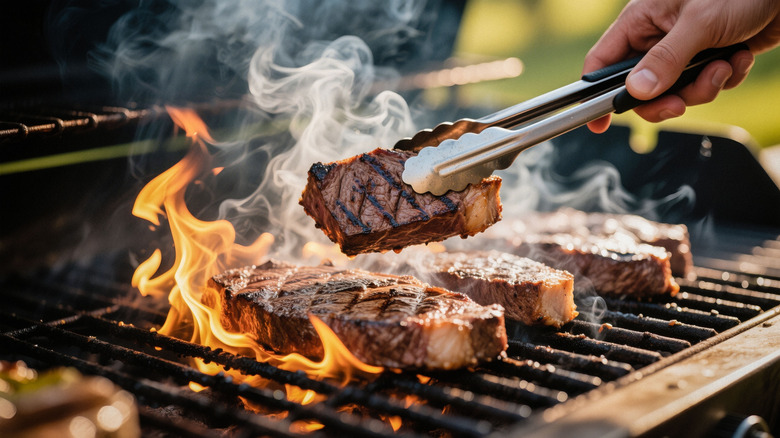
Cooking a steak just right can be tricky. Just a few minutes too long and your ribeye, the perfect cut for grilling, can dry out, which is an unfixable mistake. Undercook it and your sirloin might still be mooing — though at least you can always throw it back on the grill and cook it to your liking.
As one of the more expensive proteins, you want to get the most out of this purchase and create a perfectly cooked steak. Unfortunately, there are so many common pitfalls chefs stumble into during the cooking process. To help steer clear of them, Chowhound sat down for an exclusive chat with K.C. Gulbro — the owner of FoxFire Steakhouse. According to Gulbro, one of the biggest mistakes you can make when cooking a steak actually happens after the protein leaves the grill: covering it tightly with foil while it rests. "If you cover it with foil or anything else that traps moisture, it can turn into steam and soften the crispy crust you've carefully created."
According to Gulbro, you can still use foil when resting your steak — just make sure to cover the meat lightly and allow it to breathe. Still, if you want to keep the protein warm while it rests, or as you finish up cooking any of the best side dishes for steak, Gulbro says you have better options that will preserve that hard-earned crust without sacrificing flavor.
The right ways to rest a steak
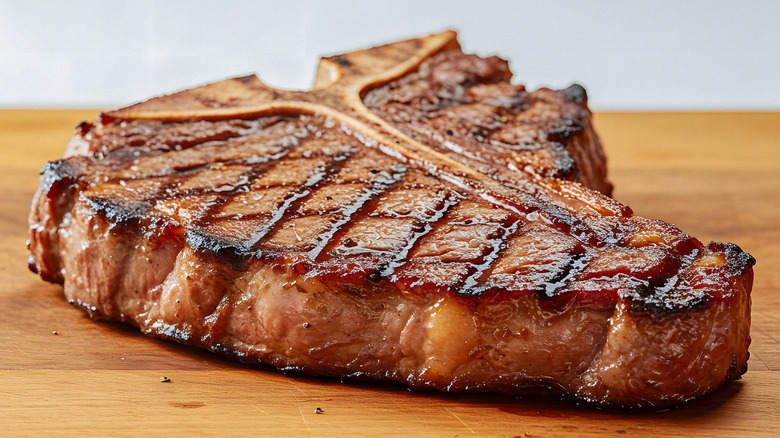
According to FoxFire Steakhouse Owner Chef Gulbro, there are better ways to rest your steak beyond using foil. "The best way to rest a steak is to place it on a warm plate or cutting board without covering it. This gentle airflow helps keep the crust nice and crispy, while also giving the juices inside a chance to settle evenly," Gulbro said.
To try out this technique, heat a plate or cutting board in a 150 to 170 degrees Fahrenheit oven and place the steak on top. "It holds enough residual heat to prevent rapid cooling and preserves the crust," Gulbro said. You can also try adding a second warm plate on top. "Placing another warm plate upside-down over the steak gives insulation without trapping as much steam as foil," he said. If you prefer thicker cuts of steak, keep them in a low-heat oven with the door cracked. "It keeps the steak warm without pushing it past its doneness, and prevents the crust from softening," Gulbro said.
If you're working with smaller cuts on a grill, Gulbro suggests sliding the steak to the cooler side of the grill and placing it on a sizzle plate. Choose whatever option works best for you. As long as you keep Chef Gulbro's tips in mind, you'll end up with a juicy, well-cooked steak and the beautiful exterior crust that comes with it — whether it's a ribeye or filet mignon.