

5 Ingredients You Might Not Know Are High In Protein
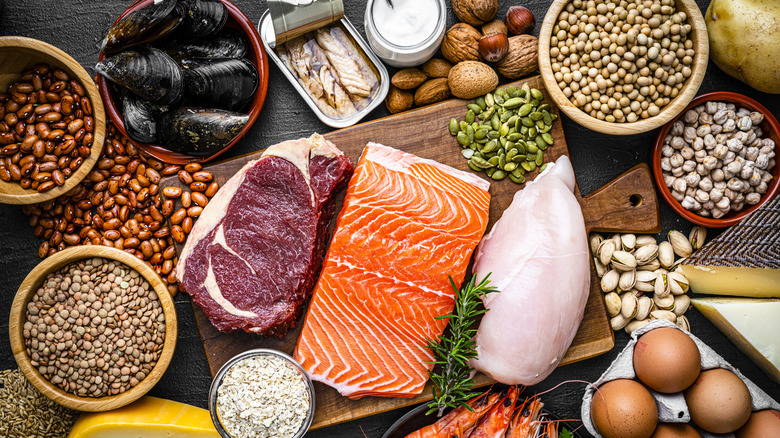
Usually, when most people are asked to picture a protein source, the common scenarios that spring to mind are chicken, beef, fish, eggs, dairy, or perhaps beans. However, protein — an essential macronutrient that allows you to keep your energy up, your muscles strong, and your skin, hair, and nails healthy — is found in a wide range of foods. That's a good thing, too, because variety in your protein sources will make meeting your nutritional goals a lot easier and much more dynamic, so you aren't stuck eating the same foods all the time. And while the common options can be cooked differently, there are many ways to incorporate protein into your daily meals.
Moreover, a lot of everyday ingredients secretly have more protein than you think. These are regular foods you can add to snacks, salads, or side dishes with the confidence that you are meeting your protein goals. So, the more you start to identify where protein shows up, the easier it becomes to hit your daily needs without having to resort to the same store-bought rotisserie chicken every other night. Here are five ingredients that you might not know are high in protein.
Passion fruit
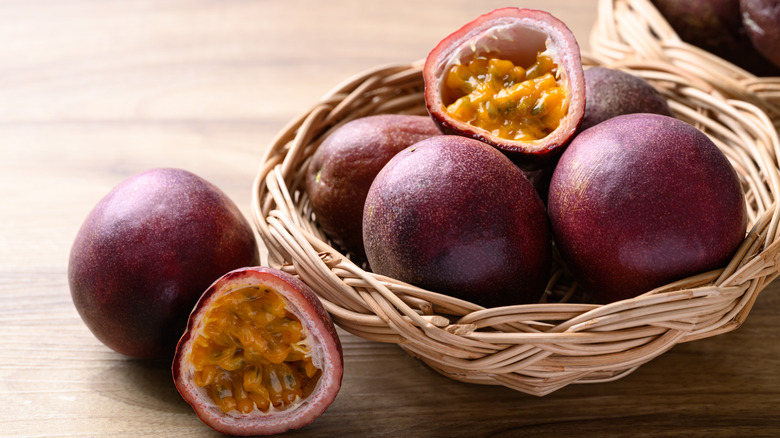
Most people don't associate fruit with protein, especially since most fruits are quite low in protein. However, there are a few protein-rich fruits out there, and passion fruit tops the list with 5 grams of protein per cup. But that's not all. This tropical fruit is also exceptionally high in fiber, boasting 25 grams per cup, making it a superfood you don't want to miss out on adding to breakfasts or desserts, or savoring as a snack.
Almonds
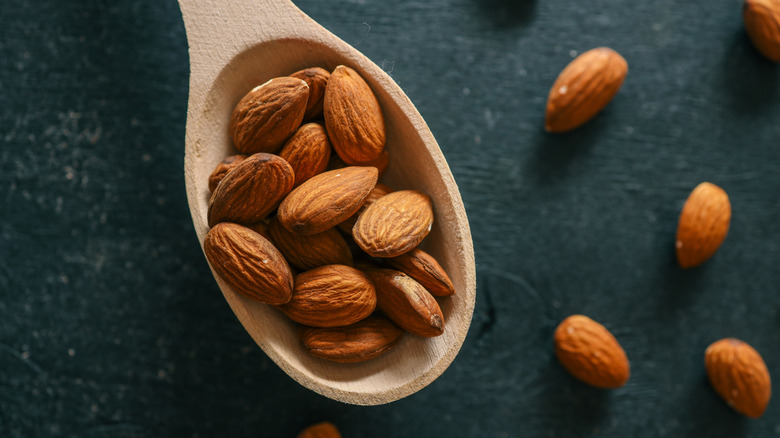
Reach for some toasted almonds for a protein-heavy snack. Half a cup of almonds is loaded with around 15 grams of protein, making it one of the highest-protein nuts you can find. For a twist, you can also make some homemade nut butter, perfect for adding to oatmeal or yogurt bowls. Two tablespoons of almond butter contains about 7 grams of protein.
Pumpkin seeds
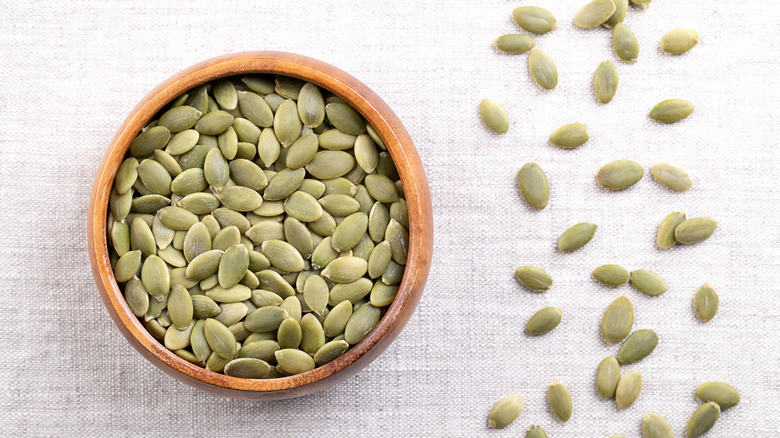
On the surface level, pumpkin seeds may seem like just an ordinary, crunchy treat, but pepitas are packed with protein. Half a cup of pumpkin seeds without their shells will provide you with a significant hit of 21 grams of protein. Whether you're sprinkling roasted pepitas on salads or enjoying them on their own as a snack, they can make a major contribution to your daily nutritional goals.
Peas
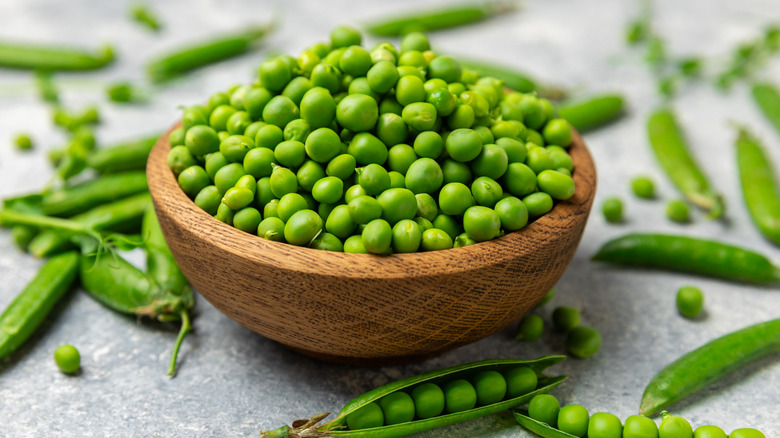
Peas may be small, but don't be fooled: This vegetable is uniquely high in protein. A cup of cooked peas boasts a little over 8 grams of protein, which is close to the protein content of a glass of milk! Like pepitas, peas are also a vegan-friendly way to pack in some of this much-needed macronutrient during the day. Throw some into mac and cheese or a salad, or enjoy them as a simple side dish for a quick protein boost.
Lentils
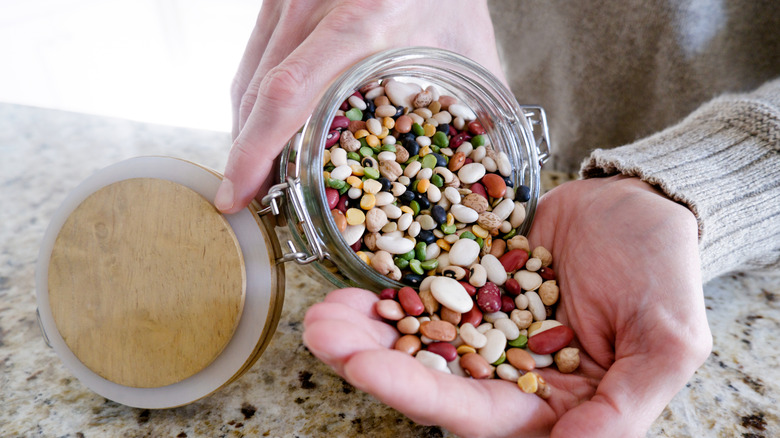
These small legumes are sometimes overlooked in favor of beans, but lentils have significant protein value on their own; a cup of cooked lentils contains almost 18 grams of protein. They also contain dietary fiber, so they support digestion, too. Lentils are extremely versatile, and can be used to add bulk to stews, as a meat substitute in burgers, or replace chickpeas when making hummus. This makes them a must-have pantry staple.