

How Coffee Became A Meal During The Great Depression

The Great Depression was an interesting time for food. What was considered one of the darkest times in American history also inspired creative, fascinating recipes on a national level. Among these recipes of resilience, coffee soup can be found. The caffeinated curiosity is traditionally prepared by placing bread or toast (sliced or broken into pieces), along with optional banana slices, into a bowl as the base. Its "broth" is made by pouring freshly brewed coffee, followed by milk, cream, or water into the bowl thereafter. This unique dish delivers a flavorful, satisfying meal with very few ingredients. Although it may seem odd, the dish makes perfect sense in both practicality and cost. Furthermore, the idea of adding coffee to food isn't new, as there are many great ways to incorporate it into recipes.
During the Great Depression, food resources became very limited. Following a crashed stock market, families rationed their ingredients, which led to some interesting culinary ideas stemming from what they could afford. Given that it was relatively inexpensive and offered a comforting perk, coffee became a cherished ingredient in the kitchen. It's unclear when coffee soup actually originated, but its use during the Great Depression makes sense; its base ingredients of freshly brewed coffee, bread, and milk could be relied upon to create not only a breakfast soup but also more affordable, filling meals. Over time, coffee soup's ability to stretch ingredients while providing something warm and filling has helped it become a traditional staple for Amish and working-class families in modern times.
Coffee is an incredibly versatile ingredient
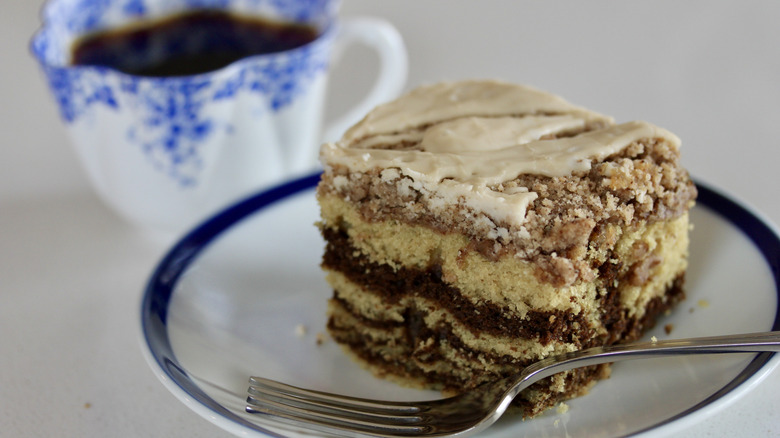
In addition to a soup, coffee can be used in a variety of delicious ways — namely in enhancing your recipe with energized character. Coffee can add an earthy, nutty savoriness to meals, especially when used as a meat marinade or rub. The natural acidity helps to tenderize the texture, and depending on the roast, coffee can uplift the flavor profile. The bold and smoky tones of dark roasts complement red meat nicely, and the fruity, less bitter notes of light roast cater to chicken and fish very well. Those same notes can also be taken to your next cookout, as the bold flavor of espresso grounds can enhance the earthiness and complement the notes of warm molasses in mesquite sauce. Stepping into the realm of desserts, coffee is an excellent ingredient for rich, sweet treats. It's a traditional ingredient for tiramisu and a perfect partner to rocky road ice cream.
Coffee soup traditionally calls for whatever coffee and bread is on-hand, but it's also a springboard into an inspired meal. There are great bread swaps to use for coffee soup, depending on whether you're looking to pour the coffee over the bread or dunk it into the java. Some families will swap in biscuits, which caters to the pour-over method since they'll function similarly to how they do in a sausage gravy recipe. If dunking is preferred, something sweet like monkey bread could be a good choice since it's basically being paired with coffee. Apart from bread preferences, swapping regular milk for condensed milk offers the added benefits of a richer texture and a unique sweetness.