

Frank Sinatra's Go-To Pumpkin Pie Tasted Different From Yours. Here's Why

Besides becoming one of the most notable musicians of all time, Frank Sinatra's love for food was also widely documented. His preferred pumpkin pie, though, came with a twist and was not the orange-spiced custard we think of today. When his first wife, Nancy, published "Desserts Frankie Loves" in 1945, inside was a recipe for spicy pumpkin pie using molasses, ginger, and cinnamon. Most importantly, it omitted the nutmeg, cloves, and brown sugar that are synonymous with today's pumpkin pie. Nancy was not experimenting with spices, however. She was actually preserving an older American tradition of pumpkin pie that is largely forgotten in modern baking.
Sinatra's 1945 recipe embodies an old-fashioned molasses-forward flavor that predates our modern expectations of pumpkin pie spice. Molasses was the primary sweetener in American baking until refined sugar became more affordable and accessible. Historical recipes regularly utilized molasses as the primary sweetener in pumpkin pie preparations. What we think of as "traditional" pumpkin pie today is really an evolution.
Perhaps even more so, because of the molasses, Nancy's pie would taste fundamentally different from modern Thanksgiving desserts. While a pumpkin pie on a dinner table today relies on the clean sweetness of sugar to allow the delicate spice notes to shine, the molasses-sweetened pies and desserts would be almost savory, with a complex umami flavor able to withstand the heat of ginger. Molasses would go on to fall out of favor as the American economy began to recover after the war.
The evolution of pumpkin pie's flavors
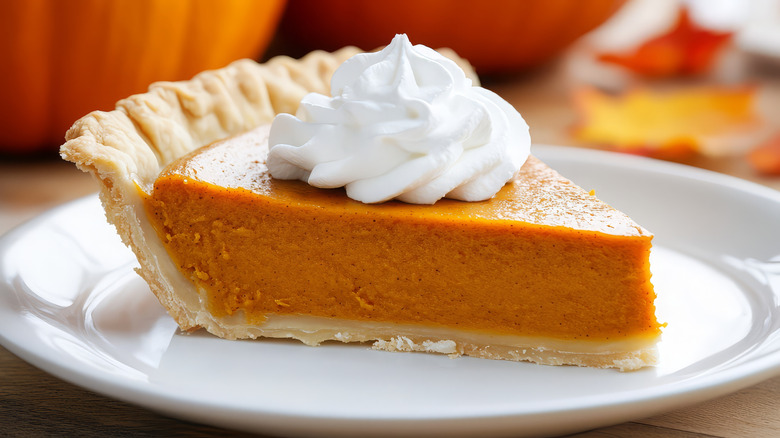
Moving away from pumpkin pie made with molasses is part of a larger transition in American food culture following World War II. Sugar rationing and the decline of the manufacturing industry during the war elevated the commonness of molasses as a sweetener. When sugar was once again abundant in peacetime, light flavors and sweet sugary pies came to be seen as sophisticated and modern, while heavier or more strongly flavored sweet choices seemed old-fashioned.
The "Swoony Pie Crust" accompanying Frank Sinatra's favorite pumpkin pie filling also used shortening in place of butter. Shortening is another example of a now-unpopular baking ingredient that was much available and almost preferred during the war. Still, it meant the Sinatra family had a more stable and thickly-crusted pie that could support the dense filling without causing the crust to become soggy.
Commercial spice blends also probably influenced the change. As pumpkin pie spice became readily available in stores, home bakers gravitated toward the convenience of pre-mixed seasonings. These blends emphasized nutmeg and cloves for their warm, cozy associations, gradually training American palates to expect these flavors in pumpkin desserts. Learning Sinatra's preferences for pumpkin pie shows just how much our traditional holiday desserts have changed. But make no mistake, Ol' Blue Eyes was always an interesting kind of foodie. Despite his iconic status, Frank Sinatra enjoyed humble cocktails and simple egg comfort foods that honored his Italian-American heritage.