

The Budget-Friendly Meat Option For Cheaper But Delicious Carne Asada

There's a lot to love about carne asada, the smoky, juicy steak that's a staple of Mexican cuisine. It's traditionally made with citrus-marinated beef and cooked over high heat, which gives it its telltale charred edges, and there's nothing better in a burrito or on a bed of spicy rice. If there's one drawback, however, it's that the cuts most recommended for making carne asada have become pretty expensive.
Only a few decades ago, cuts like flank steak and skirt steak were affordable alternatives to pricey pieces of sirloin, but foodies have caught on to how flavorful and versatile these flat steaks can be. If you're a carne asada fan, you don't necessarily have to splurge for your next fajita or taco night, however. We reached out to Marc Marrone, executive chef at Arriba Abajo inside the Thompson + tommie hotel in Austin, Texas, for some more budget-friendly options in the meat department. His picks? "Sirloin flap, chuck flap are all great cuts that are a better value," he said.
If you haven't heard of either of these cuts before, don't worry, most well-stocked grocery stores have them in the meat case. Sometimes they go by different names, and sometimes you have to ask for them at the meat counter, but their relative obscurity is what keeps them affordable — at least for now.
Other names for flap steaks
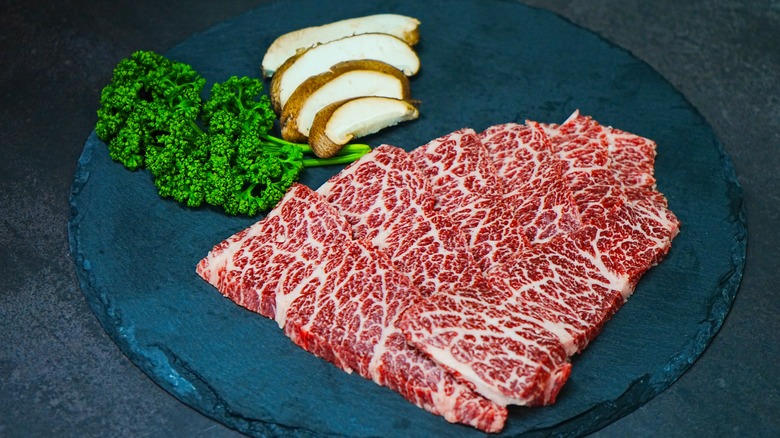
Before you head out to your local grocery store in search of Marc Marrone's steak suggestions, it first helps to know some of the alternative names for sirloin flap and chuck flap. Many stores will label these cuts as simply flap steak, flap meat, and some specialty butchers call it sirloin tip or bavette steak (you may also see this on restaurant menus). Regardless of what it's called, flap steak all comes from the bottom sirloin butt of the cow, as opposed to skirt steak which comes from the diaphragm, and flank steak, which is a little different than skirt, and comes from the abdominal muscles. If you can't find it at your local supermarket, try checking out local, independent grocery stores that have dedicated meat counters, and specialty butcher stores should also have it in stock.
Because the flap cuts don't come from the same area of the cow as skirt or flank steak, it's important to keep in mind that they won't behave exactly the same as their more expensive counterparts. "Depending on the cut, it may need more marinating time," said Marrone. But just like the other flat steaks, he recommended always cutting the meat against the grain. If you don't cut it properly, the meat will be much chewier. With the proper marinade and slicing, however, you can make amazing flap steak carne asada and nobody will know you saved a couple of bucks.