

Pea Protein Powder Is The Underrated Flour Swap For Gluten-Free Baking: Here's How It Works
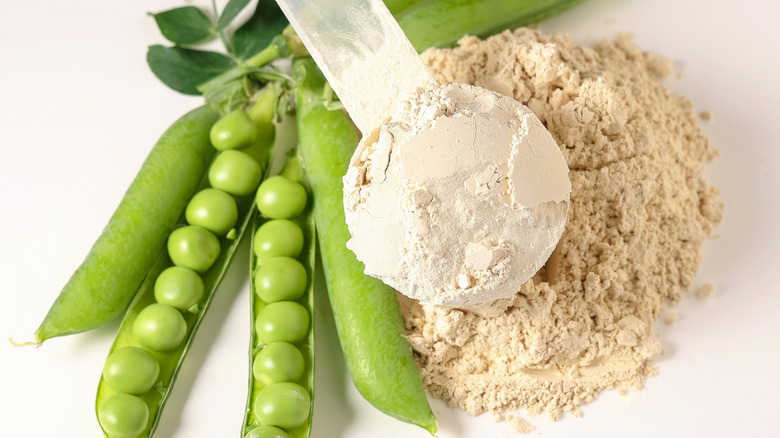
Gluten-free baking has come a long way since it gained mainstream awareness in the 2010s, with options stretching beyond almond flour. Whether you're figuring out a good gluten-free peach cobbler recipe or making a fluffy gluten-free keto cloud bread, one ingredient to consider adding to your pantry is pea protein powder. While the powder might typically be used as a supplement for smoothies, pea protein can actually be used for so much more, acting as a great alternative in gluten-free recipes.
In short, protein powder can be a stand-in for gluten due to its binding properties that hold dough together. Similar to gluten, it contributes to the thickening and structure of bread, which prevents loaves from turning out too gummy or crumbly. This makes for a useful swap for anyone baking without wheat, since the protein helps mimic the spring and structure that gluten would normally provide.
Additionally, pea protein powder has an earthy, sometimes beany taste that is fairly neutral, which makes it easy to blend into recipes, whereas other plant-based proteins, like fava bean and rice, can add bitterness. Therefore, it can pair well with oat or buckwheat flours that result in a soft, balanced bread. Best of all, experimenting with pea protein powder for gluten-free baking is quite easy, especially when you understand why it works.
Why pea protein powder works so well in baking
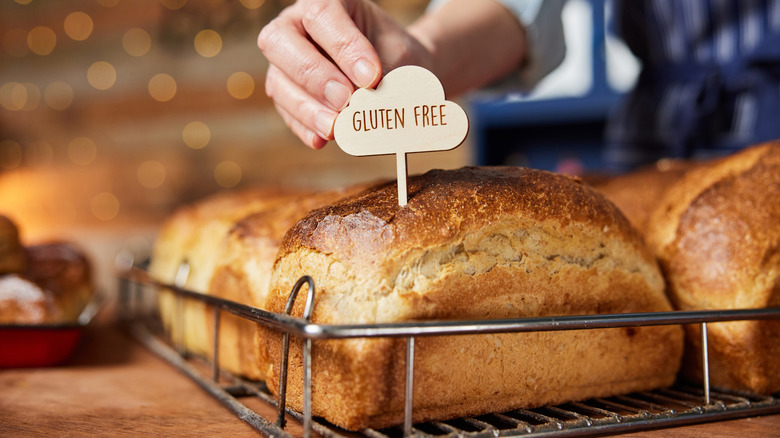
Swapping out part of your flour for pea protein powder can improve the structure and nutrition in your recipes that might otherwise feel flat. Research published in Scientific Reports found that adding up to 10% pea protein powder to a flour mix improved both the amino acid profile and protein quality of gluten-free bread without negatively impacting texture or volume. In other words, if your recipe calls for 1 cup, or 16 tablespoons, of flour, using about 1 ½ tablespoons of pea protein powder and the remaining 14 ½ tablespoons as a gluten-free blend is a good starting point. However, if you add 11–15% pea protein powder, you might find that your baked goods will be a bit dense.
Taste and texture aside, the nutritional benefits are quite evident. Breads with pea protein delivered a stronger amino acid index and higher a-linolenic acid (an omega-3 fatty acid) content, which makes them more nutritious without needing to change basic prep. If you're a home baker, this means that your muffins and cookies can be a bit more satiating while still maintaining their flavor.
Given its versatility, pea protein powder is a simple swap that adds both structure and nutrition to gluten-free baking. If you're looking to elevate recipes without complicating them, this ingredient is a great addition to the pantry. Then, if you're curious about other gluten-free ingredients, understanding why psyllium husk is so essential for gluten-free bread is a great place to start.