

Here's How To Prevent What Emergency Room Doctors Are Calling 'Avocado Hand'
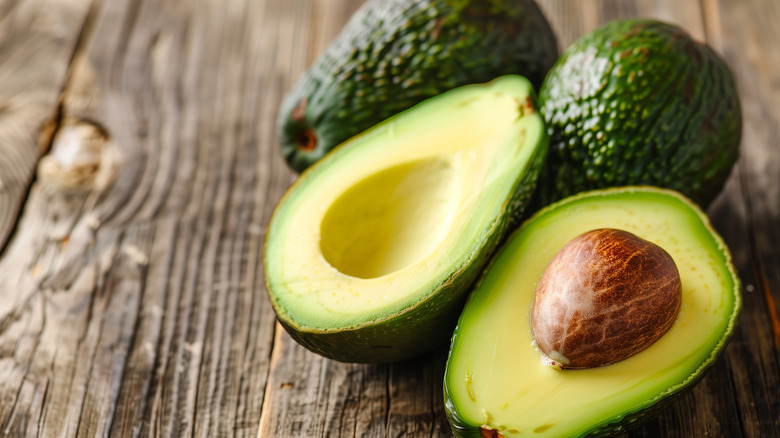
Despite the fact that many of us have trouble remembering a time before avocado toast, these buttery, fiber-rich fruits weren't always a household staple in the United States. Before the mid-2000s, some U.S. households would occasionally enjoy an avocado or two, but they weren't what you might consider widespread. However, due to revised trade agreements with Mexico and clever marketing, avocados rolled nationwide into grocery stores (and our hearts) in 2007, and our love of them shows no signs of waning. The positive side of this is that avocados are incredibly nutritious — they're high in healthy fats, fiber, vitamin C, folate, and B vitamins, meaning you should feel free to keep tucking avocado slices into the deceptively named viral Sprouts sandwich.
However, there's a bit of a dark side to the continuing avocado craze, mainly based on how they're often prepared. Some emergency room staff and orthopedic hand surgeons are seeing an increase in injuries they've dubbed "avocado hand." Avocados are a bit slippery inside and out, and home cooks often hold them while rotating them to cut them open, remove the pit, and slice them. This technique leaves ample opportunity for the knife to slip or slice through the back of the avocado and cut into various parts of the palm and fingers.
Fortunately, it takes just a few safety precautions to prevent avocado hand, such as only cutting into ripe avocados with a very sharp knife. Ripe avocados are soft, and sharp knives are easier to control, meaning you can use less pressure and more precise movements to more safely dice up that avocado for your colorful salmon poke bowl.
Other techniques for prevention and safety precautions

In addition to making sure your avocados are ripe before you cut into them (they should be soft, but not mushy) and using a properly sharpened knife, you can also prevent injuries by using a cutting board instead of holding it in your hand. Gently but firmly brace the avocado between your palm and the board, slicing into the side of the avocado until the knife touches the pit. You can then rotate the avocado 360 degrees while readjusting the knife to slice all the way around the pit.
Once opened, instead of slicing into the pit and twisting it, scoop it out of the avocado with a spoon. This eliminates the danger of the knife slipping out of the pit, not to mention it's a slightly easier technique. You'll need a spoon to scoop the flesh from the skin, anyway, so it's a win-win. Scooping the avocado halves and slicing them on the cutting board is also safer than slicing them while they're still inside the skin — even if it takes a few more seconds, it's worth preventing a trip to the ER.
Though these safety measures reduce your risk of injury, it's always best to be prepared if something goes wrong despite your best efforts. For instance, Martha Stewart suggests creating a kitchen-specific first aid kit to address minor injuries, like shallow cuts. These kits can also help mitigate more serious injuries to reduce pain and bleeding while you seek medical attention.