

The Unexpected Fruit People Are Using In Cobblers
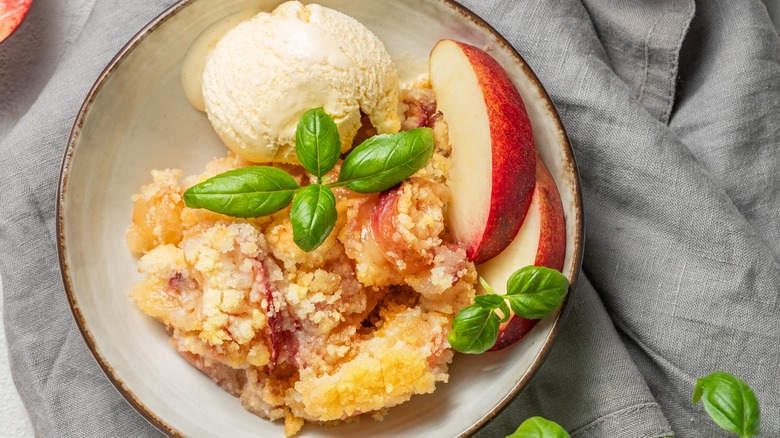
Cobblers are about comfort and tradition. You think of ripe strawberries when they are at their juiciest in late spring, peaches in summer, and apples in fall. So when watermelon shows up in a cobbler, it might feel like someone's playing a prank. After all, watermelon is the fruit you cube and eat cold on a sticky afternoon, not the one you pop into a hot convection or conventional oven. But watermelon cobbler is very much a thing, especially in the South, and it is catching attention for good reason. Once heat enters the equation, watermelon changes in surprising ways.
At first bite, baked watermelon tastes different from the fruit you expect in a salad or wedge. The oven concentrates its natural sugars, pulling it closer to the flavor of roasted berries or even caramelized peaches. That faint watery quality that sometimes turns people off when they eat it raw transforms into something more jammy and candy-like. The fruit collapses into a syrupy filling, creating pockets of sweetness that are both familiar and brand new at the same time. It is watermelon, yes, but watermelon reimagined.
That transformation is why the cobbler format works so well. The buttery topping soaks up the juices, preventing the dish from turning into a puddle, and the contrast between crisp crust and softened fruit feels balanced rather than messy. It is a clever twist on a dessert people already love, proving that the rules about which fruits "belong" in cobbler were always meant to be broken.
Why watermelon deserves its place next to peaches
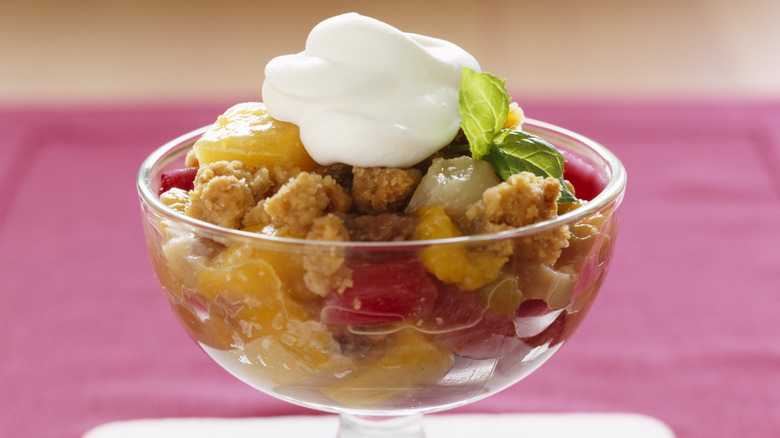
Of course, watermelon does not have to stand alone. Many cobbler recipes lean into tradition by pairing it with peaches. The two fruits complement each other beautifully. Peaches bring their firm texture and fragrant sweetness, while watermelon adds juiciness and a mellow, sugary note that deepens when baked. Together, they create a cobbler that feels both nostalgic and bold. It is not just about novelty, though; it is about flavor harmony that actually makes sense once you taste it.
There are also plenty of variations to play with. Some cooks stir in a splash of lemon juice to brighten the filling with acidity or add spices like cinnamon or cardamom to push the watermelon closer to familiar cobbler territory. Others treat the watermelon like berries, cutting it into smaller cubes so it cooks down evenly. The point is not to disguise the fruit but to let it shine in a new way. Once you know that watermelon can stand the heat, the creative doors open wide.
The best part? A watermelon cobbler captures the feeling of summer in one dish. It is hot and sweet, messy in the best way, and unexpected enough to get people talking. What started as a quirky Southern experiment has become a reminder that tradition is flexible, and dessert is supposed to be fun. If you love cobbler but want a new spin, watermelon might be the twist you did not know you needed.