

Wolfgang Puck's Cold Food Rule May Change How You Season Everything

We may receive a commission on purchases made from links.
If you're a keen home cook, you've probably come across this situation before: You're prepping a dinner, whether an easy weeknight meal or a full-on dinner party spread, and your main course is tasting brilliant. So you decide to whip up a quick vegetable side — maybe it's a fresh, vibrant panzanella, or even just a simple green salad. You've seemingly done everything right — but compared to that piping hot main course, those veggies just taste ... sad. The flavors muted, without the vibrancy that you really want from a cold side dish. Well, according to Wolfgang Puck, the problem might be just that: It's cold.
It's a question of science, really. While flavor is often seen as the crucial building block of good cooking, it's not just about the ingredients and seasonings you use. The best chefs also have an understanding of temperature. How hot or cold a dish is can impact our perception of its taste, and as Puck explained to MasterClass, cold foods need a little more help on the seasoning front. "The palate really receives the flavors of cold food much slower and not as strongly than when you serve, for example, a hot bowl of soup," he said. "If it's too spicy or too salty, you will taste it right away. So cold food should be seasoned a little heavier than hot food. That's one of the principles in cooking." So, now you know — cold food is generally less flavorful (at least as far as our palates are concerned) than hot. But how should you approach seasoning it to balance everything out?
How to apply Wolfgang Puck's cold food seasoning technique at home
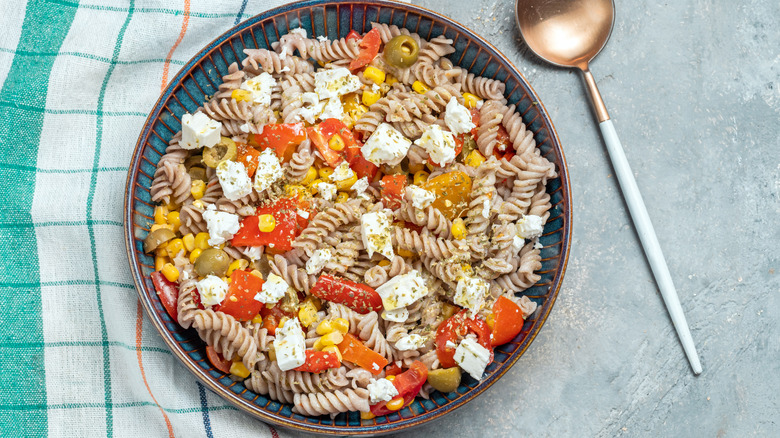
When food is cold, the lower temperatures dull the aroma molecules in whatever it is we're eating (which are usually at their most fragrant when warmed; think of toasting spices before using them, for example), which in turn dulls our taste buds' perception. Our sensitivity to those aromas is reduced, too, especially when it comes to salt and spices, so in order to compensate, you need to add more of them than you would when seasoning, say, a delicious (hot) steak.
Take your cold pasta salad, for example, a staple of the chilled food scene. Follow Puck's advice and season as you go, starting by tasting it cold, and adding more seasoning gradually until you reach your desired level of deliciousness. The same goes for cold soups like gazpacho, which benefit from the addition of spices and a little acid to bring a brightness that elevates their flavor profiles. Acid is your friend here, especially when mixed with a sweeter ingredient for some contrast. Sushi rice, for example, is seasoned with a mixture of vinegar and sugar, bold flavors which, when dulled by refrigeration, mellow out to give the complex, tangy blend that helps make sushi such an iconic dish. To make sure you get those flavors spot on, every time, always taste your food at the temperature that you're serving it. Don't just season while it's hot and allow it to cool off.
Puck's principle doesn't just count for salting food
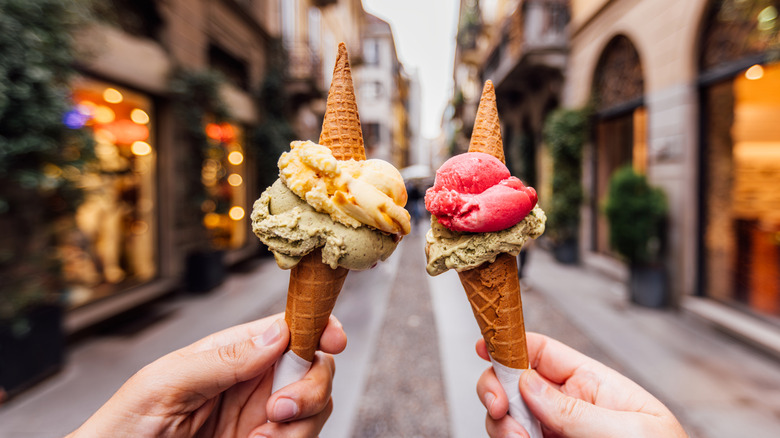
While Wolfgang Puck's rule is a great guide for preparing savory dishes, it doesn't just matter when it comes to making appetizers and entrees — it's just as important when it comes to dessert. If you've ever left a tub of ice cream out a little too long and given it a taste, you've probably noticed that, once melted, it becomes noticeably sweeter. The principle of taste bud dulling applies to sweet flavors, too. Ice creams, custard-based treats like tarts, or even milkshakes need an extra boost when it comes to flavorings like vanilla in order to remain super flavorful when they're chilled down: So if you're trying your hand at making a batch of homemade ice cream, don't hold back on the seasoning.
The same goes for drinks like iced tea, or even cocktails: These drinks require bolder sweeteners and more citrus than their warm counterparts for the very same reason. Ultimately, seasoning is always a question of taste — so the ability to satisfy your palate preferences is the most valuable skill you can have. Frequently trying your dishes and adjusting as you go is the only true recipe for success, and will have you cooking like a pro (or, indeed, like Wolfgang Puck) in no time! And remember: If you're making cold food, season often, and season boldly.