

The Best Way To Melt Chocolate Chips, According To Nestlé
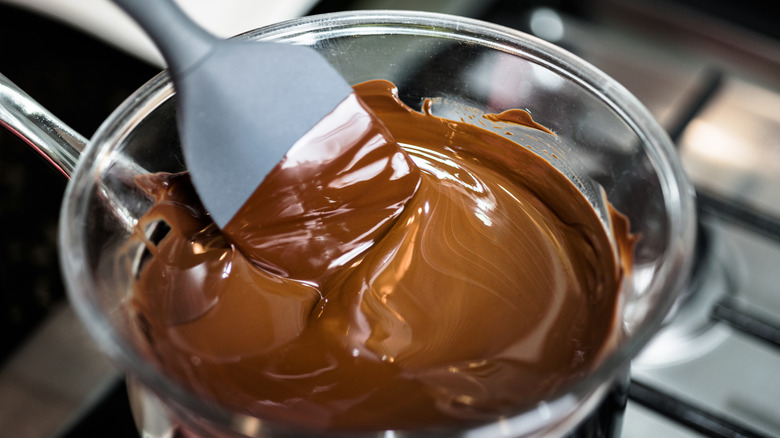
You know that moment when you're making chocolate-covered strawberries or trying to create the perfect ganache, and suddenly your smooth, glossy chocolate turns into a grainy, concrete-like mess? We've all been there. The good news is that Nestlé has spent decades perfecting the art of melting its morsels, and the brand has several techniques that can save you from chocolate chip heartbreak.
Here's what most folks don't know about chocolate: It's fussy and must be handled delicately. Before you even melt it, you'll want to choose the right type. If you have the option, go for couverture chocolate, as it melts beautifully due to its high cocoa butter content. But regular is just fine, too. According to Nestlé, the key to melting chocolate chips perfectly is to go slowly and steadily, and stay dry. This means avoiding adding any water to the confection so that it doesn't seize and turn into a gritty mess, which happens because water pulls the sugar out of the chocolate suspension pretty fast, causing it to bind to itself and clump up. It's why Nestlé stresses using fully dry utensils, even to the point of avoiding wooden spatulas, which can hold some moisture. Beyond the perils of seizing, timing might be just as crucial for proper melting, no matter the method. After all, chocolate burns relatively easily, making fastidiousness paramount.
Treat your chocolate kindly
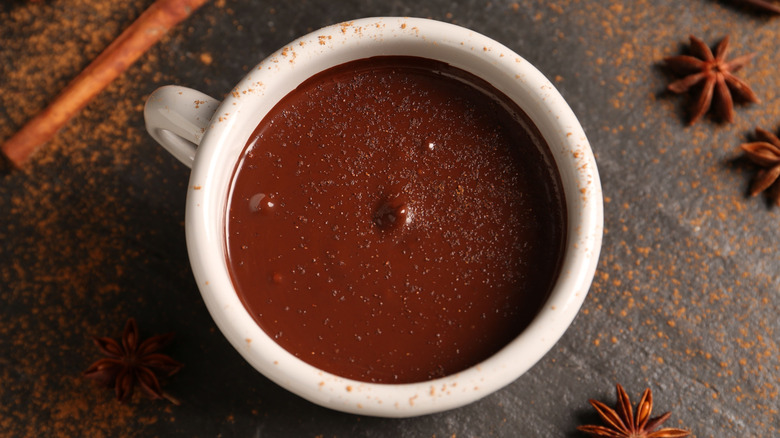
For many home bakers, microwaving is the easiest way to melt chocolate. Nestlé recommends zapping a cup of chocolate chips at a time, starting with a 45-second run on high power. After giving the melting chips a stir, the trick is heating the chocolate in 10-to-15-second bursts, stirring thoroughly in between. Since chocolate will continue to cook after it's been removed from the microwave, you can stop when it's almost fully melted.
Nestlé's number one rule for the stovetop? Don't melt your morsels above 90 degrees Fahrenheit. Most home cooks often pump up the heat, thinking it will help melt everything quicker, but chocolate doesn't like this. That's why the brand suggests using the lowest possible heat setting when melting chocolate in a pan or double boiler on the stovetop. And while you may want to melt a big batch to save time, in the microwave, larger amounts of morsels might melt unevenly.
Luckily, there's an easy fix if your chocolate does seize. Incorporate a teaspoon of boiling water into your mix. And yes, even though cold water causes melting chocolate to firm up, the hack works because of the water's high temperature. What's great about this is that you only need a visual cue to proceed: Keep stirring until you achieve your desired consistency. Chocolate rewards those who treat it gently, and your desserts will thank you for it.