

The Tiny Spice That Makes A Big Difference In Swedish Meatballs
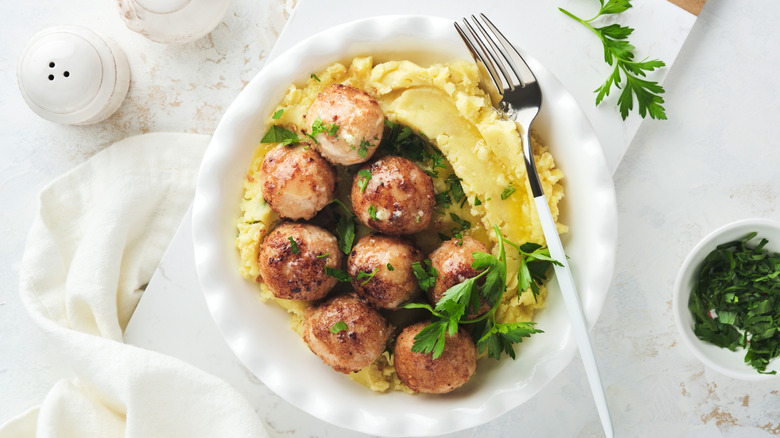
Swedish food is often unappreciated when compared to its European cousins. The French and Italians seemingly get all the glory, and even in Scandinavia, the legendary haute cuisine scene in Copenhagen, Denmark, means that the Danes often claim the foodie capital of the Nordics. But Sweden's cuisine is just as delicious. For one, they know a thing or two about cooking meat — and yes, sorry Chicago, the Swedes make the best hot dogs.
In fact, this deeply underrated cuisine has a star dish up its sleeve: the iconic köttbullar, otherwise known as Swedish meatballs. If you've ever tried making them yourself, you'll know that traditionally this beloved dish leans on warming spices like allspice and nutmeg, which lend it its signature cozy, comforting flavor While Swedish meatballs are a perfect holiday side dish, this isn't a recipe that calls for innovation, by any stretch. But with one tiny addition, you can seriously up your meatball game.
Fennel seeds, the little spice that gives Italian sausage its iconic flavor, add a touch of sweetness and depth to your meatballs that'll enhance the savory flavors of the meat itself, and bring a little lift to the richness of the creamy sauce. Though fennel seeds are traditionally described as anise-like, it's hardly like you're adding a fistful of licorice to your meatballs. (Though, licorice is an iconic dessert in Sweden in its own right, so that wouldn't necessarily be inappropriate.) Instead, they bring just enough brightness to add a touch of contrast, elevating those iconic flavors rather than competing with them.
How to add fennel seeds to your Swedish meatballs
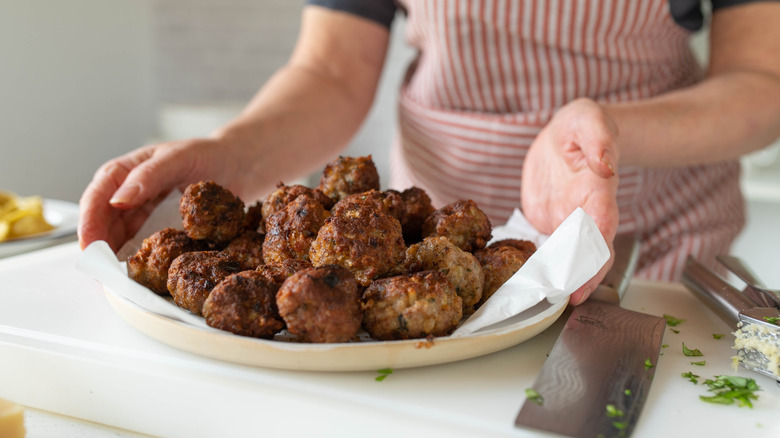
It's easy to overdo things when adding fennel but knowing how much is just enough can help you take your Swedish meatballs to the next level without overpowering them. The first thing to get right is the ratio: Fennel seeds may be small, but they pack a powerful aromatic punch, so you really don't need many to introduce their unique flavor to your dish. About half a teaspoon of fennel seeds per pound of meat is all you need. Any more, and your meatballs will risk tasting more like Italian sausages than anything else.
Once you've measured out the perfect number of seeds, the next task is deciding on how to use them effectively. The first rule? Don't just dump them in whole. If you do, you won't get the most out of their flavorful potential, and you'll risk biting into a whole raw fennel seed (which isn't fun, trust us). Instead, start by toasting them. This is non-negotiable — it wakes up the oils inside the seeds, releasing their natural aromas and deepening the flavor, whilst also rounding it out, to make it pair better with the flavor profile of the meatballs. You'll be able to smell once those oils have been released, which should take about one minute in a dry skillet on medium heat, and when they have, transfer the seeds to a pestle and mortar and lightly crush them. Be careful not to take this step too far; you want them to be broken up, not pulverized.
Why adding fennel works so well
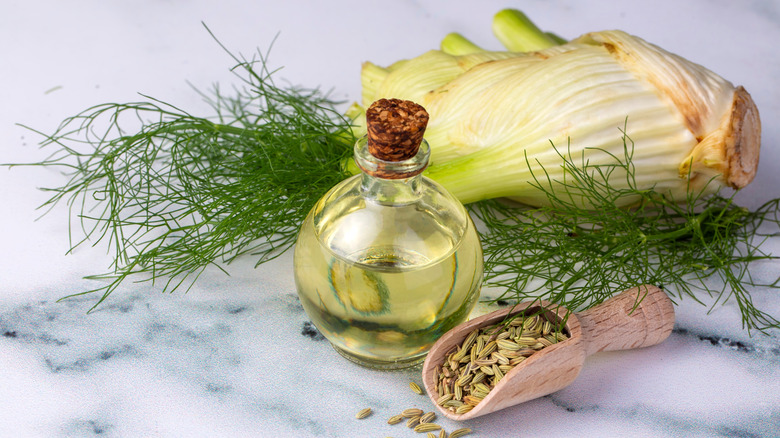
Fennel and pork are a match made in heaven — as the Italians have shown us — so given that Swedish meatballs are usually a beef-pork mixture, it's hardly a surprise that this combination works so well. Adding them here isn't just a pretentious foodie flex, it's a way to brighten this traditional dish, giving it a delicious new dimension without losing what makes it so beloved. Swedish meatballs are iconic for their comforting flavors. Warm, subtly spicy, with a mellow savory palate that's contrasted with the addition of lingonberries and pickles. The fennel ups that contrast, without clashing. It's like adding lemon zest to a heavy pasta dish or risotto, just a little flash of brightness that keeps you coming back for more. Remember, these additions should never replace the original spices in the recipe — the goal here is to build on tradition, and elevate it, not walk all over a classic recipe.
For a little extra zing, try experimenting with complementary flavors in the rest of the dish, too. A little crème fraîche or sour cream in the sauce will provide even more of a lift, with a nice tang that offsets the fennel's anise flavor and the richness of the meat. Meanwhile, a splash of brandy (or the Swedish favorite, aquavit) will add depth and warmth when cooked off. Finally, you could bring in some more Scandinavian flavors with the addition of some freshly chopped dill, caraway, or even cardamom, for the ultimate Nordic meatball feast.