

Why You Should Never Rush To Open A Pressure Cooker
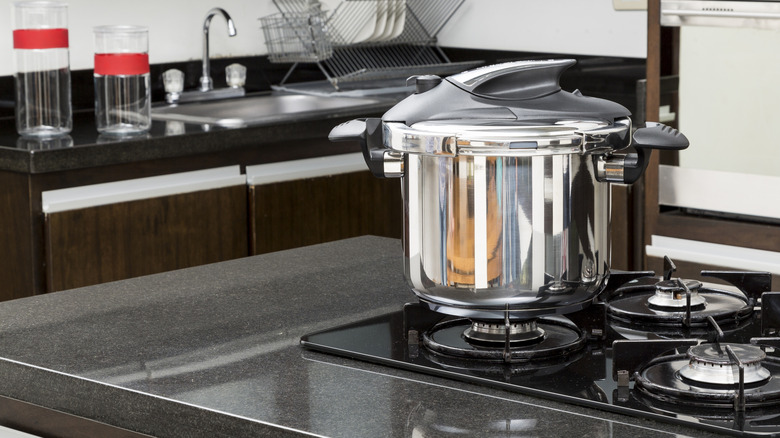
If you have ever used a pressure cooker (not rice cooker), you know the thrill: a whole pot roast done in under an hour, beans tender in a fraction of the usual time, soups infused with flavor like they have simmered all day. But as tempting as it is to open that lid the moment the timer goes off, pressing pause is essential for your safety, your food, and your cookware.
The number one rule? Don't force the lid open. Pressure cookers are sealed vessels that trap steam under intense pressure. When cooking finishes, that pressure doesn't just disappear instantly. Opening the lid before it is fully released is like opening a shaken soda can: It can lead to hot steam bursts, splattering liquids, and serious burns. Manufacturers and experts alike stress this: always wait until the pressure has fully subsided. If your cooker has a natural release function, give it the time it needs (usually 10–20 minutes depending on the contents). Even with quick-release valves, stand back and keep your hands and face away from the steam spout.
But it is not just about safety. Rushing the release can also sabotage your meal. That residual pressure plays a key role in finishing the cooking process, especially for that perfect portion of rice, beans, and different cuts of steak. Letting it release too quickly can toughen proteins or leave grains partially cooked. Ever had a stew with perfectly tender meat but oddly crunchy carrots? Impatience with the lid might be the culprit.
Smart shortcuts (that don't compromise safety)
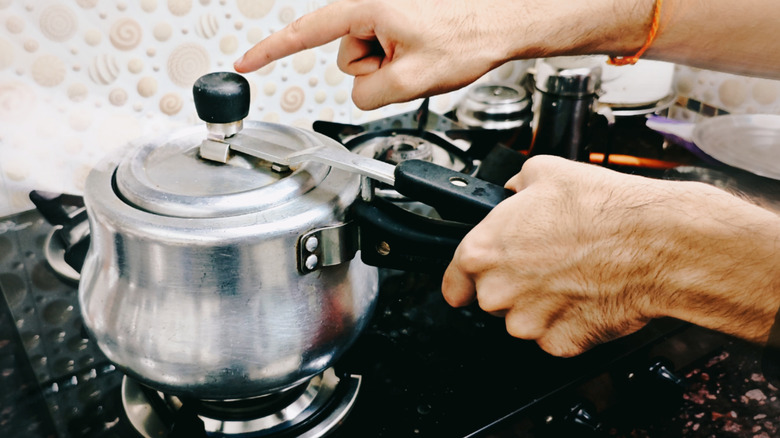
If you are in a hurry, there are still smart ways to speed things up without danger. For example, you can perform a controlled quick release by nudging the valve open gradually instead of flipping it all at once; this gives steam a chance to release slowly. Or, for electric pressure cookers like the Instant Pot, you can hit "Cancel" and let it sit for 5–10 minutes before doing a quick release, which gives you a head start on depressurization.
Some folks even place their pressure cooker pot (after unplugging or removing it from the burner) on a cool surface like a cutting board to help it naturally cool a little faster. But again: never force the lid open, even if you think it feels loose. Always check the float valve or pressure indicator to ensure it's dropped completely before you turn or lift the lid.
One more tip? Don't skimp on maintenance. A stuck or clogged release valve can trap pressure longer than intended, making the pot unsafe even after cooking stops. Always clean your sealing ring and valves after use and inspect them for wear. A little upkeep now keeps things safer — and tastier — down the line.