

You're Probably Seasoning Your Veggies At The Wrong Time
We may receive a commission on purchases made from links.
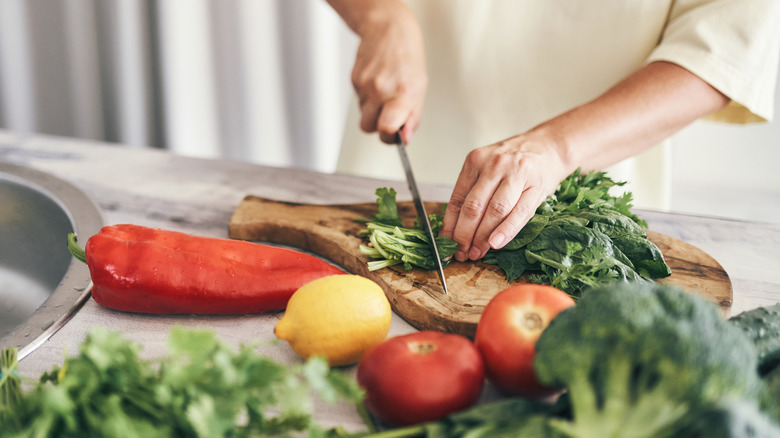
Does it ever seem like it's impossible to nail perfectly sautéed spinach or savory roasted root vegetables? Cooking fresh produce isn't always as easy as following a recipe; it takes precise timing and temperature control. In fact, one of the main reasons your steamed broccoli or grilled asparagus isn't coming out exactly like the veg you can get at your favorite restaurant is that you might be seasoning it at the wrong time.
For some pro advice on seasoning vegetables, Chowhound reached out to Lindsey Baruch, the creator behind Lindsey Eats and author of the cookbook "Something Delicious: 100 Recipes for Everyday Cooking," coming out September 30, 2025. While it's true that food should be seasoned every step of the way, we asked her in an exclusive chat to set the record straight on when to season vegetables and when to wait. According to Baruch, it all depends on which veggie you're cooking.
"For root vegetables, such as beets or carrots, or vegetables such as broccoli or cauliflower, you can season them prior to roasting or cooking," she said. "For other vegetables, such as mushrooms or spinach, I cook and then season towards the end." This, she explained, prevents the vegetable from releasing too much moisture from the salt before it's had time to cook.
It's safe to add seasonings to vegetables without salt
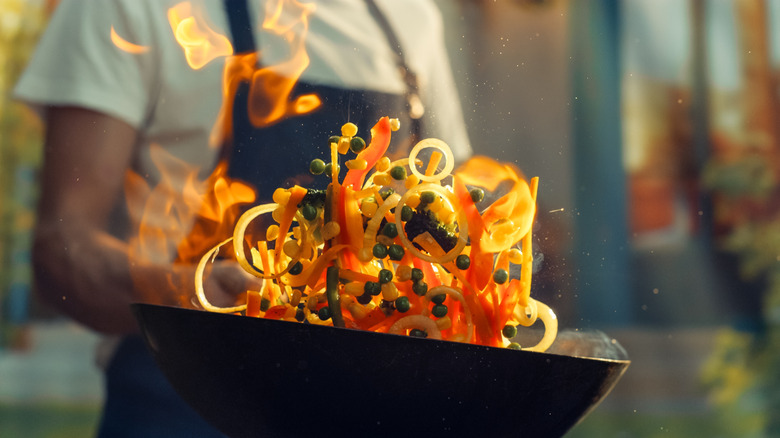
The main issue that Lindsey Baruch alludes to when seasoning vegetables is leeching moisture from produce with a high water content. Salt draws out water from food through osmosis, where water molecules will move from an area of low salt concentration (inside the vegetable) to the area of high concentration (the surface with the salt). While salting is a great trick for prepping sliced eggplant or zucchini (veggies that can get too soggy when exposed to heat) before they're cooked, it's not so great for leafy vegetables like chard or tender green bits like green beans.
Waiting to add the salt does not mean holding off on all the extra flavors, however. As long as your other seasonings aren't overly salty, it's totally fine to season throughout the cooking process because it won't affect the moisture. A little honey and vinegar is amazing on roasted vegetables, for instance. Baruch says she's a fan of cooking vegetables with seasonings like paprika, sumac, crushed red pepper or Aleppo pepper, and lemon zest. We also recommend trying harissa for bold, smoky flavor. "I tend to keep it very simple with vegetables to really highlight their flavors," the cookbook author said. "The only seasoning I would change based on the cooking process would be if I was blanching or steaming, but I would layer seasonings and flavors after it's steamed."